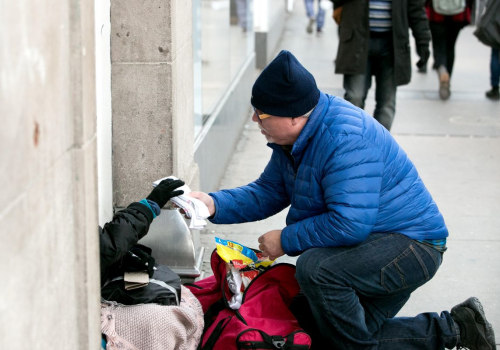
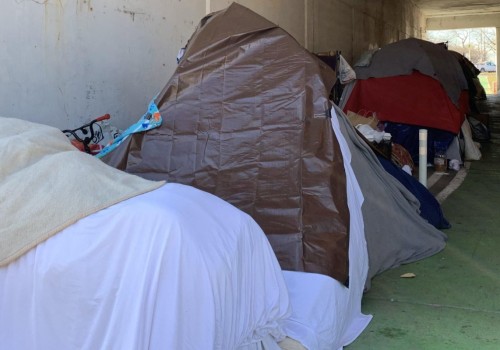
The Future of Homelessness: Can We Truly End It?
Explore the complexities of homelessness in the U.S. and discover effective strategies to address this pressing social issue.

Homelessness is a multifaceted issue that affects millions of individuals and families across the United States. It is not merely the absence of a physical shelter; rather, it encompasses a range of experiences and challenges that can lead to a state of instability and vulnerability. Understanding what homelessness truly means is essential for grasping the complexities surrounding this social crisis. According to the U.
S. Department of Housing and Urban Development (HUD), on any given night, over 600,000 people experience homelessness, highlighting the urgent need for effective solutions. The causes of homelessness are varied and often interrelated, making it a challenging problem to address. Factors such as economic instability, lack of affordable housing, mental health issues, substance abuse, and systemic inequalities all contribute to the growing number of homeless individuals. For instance, a sudden job loss or medical emergency can push a family into homelessness, while others may find themselves on the streets due to long-term issues like chronic mental illness or addiction.
Understanding these underlying causes is crucial for developing targeted interventions that can effectively address the root problems. Statistics reveal alarming trends in homelessness that underscore its prevalence. The National Alliance to End Homelessness reports that while overall homelessness has seen fluctuations over the years, certain populations—such as veterans and families with children—remain disproportionately affected. In fact, approximately 15% of the homeless population is classified as chronically homeless, meaning they have been without stable housing for extended periods. This statistic emphasizes the need for comprehensive strategies that not only provide immediate relief but also focus on long-term solutions. As we delve deeper into this topic, it becomes clear that addressing homelessness requires a multifaceted approach that considers both individual circumstances and broader societal factors. Understanding these underlying causes is crucial for developing targeted interventions that can effectively address the root problems. Statistics reveal alarming trends in homelessness that underscore its prevalence. The National Alliance to End Homelessness reports that while overall homelessness has seen fluctuations over the years, certain populations—such as veterans and families with children—remain disproportionately affected. In fact, approximately 15% of the homeless population is classified as chronically homeless, meaning they have been without stable housing for extended periods. This statistic emphasizes the need for comprehensive strategies that not only provide immediate relief but also focus on long-term solutions. As we delve deeper into this topic, it becomes clear that addressing homelessness requires a multifaceted approach that considers both individual circumstances and broader societal factors.
By understanding the complexities of homelessness—its definitions, causes, and statistics—we can better frame our discussions around potential solutions and foster a more compassionate response to this pressing issue.
The Current State of Homelessness in the U. S.
As of 2023, the landscape of homelessness in the United States remains a pressing issue, with approximately experts estimating over 650,000 individuals experiencing homelessness on any given night. This figure represents a complex tapestry of challenges that vary significantly across different regions and demographics. According to the U. Department of Housing and Urban Development (HUD) , the homeless population can be categorized into several groups, including families with children, unaccompanied youth, and individuals with chronic conditions.Notably, about 37% of the homeless population consists of families, highlighting the urgent need for targeted interventions that address the unique circumstances faced by these households. The demographics of homelessness also reveal stark disparities. For instance, while White individuals make up a significant portion of the general population, they represent only about 30% of the homeless population. In contrast, Black or African American individuals , who account for approximately 13% of the U. population , comprise nearly 40% of those experiencing homelessness.
This disparity underscores systemic issues related to race and economic inequality that contribute to higher rates of homelessness among marginalized communities. Geographically, homelessness is not evenly distributed across the country. States like California , New York , and Florida report some of the highest numbers of homeless individuals. In California alone, over 160,000 people are estimated to be homeless, driven by factors such as high housing costs and insufficient mental health services. Urban areas tend to have higher concentrations of homelessness due to factors like job availability and social services, but rural areas are not immune to this crisis. The trends in homelessness are also concerning.
Recent data indicates a slight increase in overall homelessness compared to previous years, with certain regions experiencing spikes due to economic downturns and the lingering effects of the COVID-19 pandemic. The rise in housing insecurity has led to an increase in individuals living in temporary shelters or on the streets. In summary, understanding the current state of homelessness in America requires a nuanced approach that considers various demographics and regional differences. Addressing these challenges will necessitate comprehensive strategies that not only provide immediate relief but also tackle the root causes of homelessness.
Myths and Misconceptions About Homelessness
Understanding homelessness requires a clear view of the realities faced by those who experience it. Unfortunately, numerous myths and misconceptions cloud public perception, often leading to stigma and misunderstanding.By debunking these myths, we can foster a more informed and compassionate perspective on homelessness.
Myth 1: Homelessness is a Choice
One of the most pervasive myths is that individuals choose to be homeless. This misconception overlooks the complex factors that contribute to homelessness, including economic instability, mental health issues, addiction, and systemic failures in housing and social services. Many people find themselves homeless due to circumstances beyond their control, such as job loss or medical emergencies.
Myth 2: All Homeless People Are Addicts or Mentally Ill
While some individuals experiencing homelessness may struggle with addiction or mental health issues, it is crucial to recognize that this is not true for everyone. In fact, studies show that a significant portion of the homeless population consists of families with children, veterans, and individuals who have fallen on hard times.
Stigmatizing all homeless individuals as addicts or mentally ill perpetuates harmful stereotypes and ignores the diversity within this community.
Myth 3: Homelessness Only Affects Urban Areas
Another common misconception is that homelessness is solely an urban issue. While cities often have higher visibility of homelessness due to larger populations and more resources, rural areas also face significant challenges. In fact, rural homelessness can be even more difficult to address due to limited access to services and support networks.
Myth 4: Providing Housing Will Not Solve Homelessness
Some critics argue that simply providing housing does not address the root causes of homelessness. However, research has shown that stable housing is a critical first step in helping individuals regain their footing.
Once housed, people are better able to access healthcare, employment opportunities, and social services that can help them achieve long-term stability.
Myth 5: Homeless People Are Dangerous
This stereotype often stems from fear and misunderstanding. In reality, most individuals experiencing homelessness are not violent; they are more likely to be victims of crime than perpetrators. By viewing homeless individuals through a lens of fear rather than empathy, society misses the opportunity to support those in need.
By dispelling these myths and misconceptions about homelessness, we can cultivate a more compassionate society that recognizes the humanity of every individual. Understanding the true nature of homelessness allows us to advocate for effective solutions and support systems that can help end this crisis once and for all.
Successful Models for Ending Homelessness
Addressing homelessness requires innovative solutions and a commitment to effective strategies.Numerous programs across the United States have demonstrated that it is possible to significantly reduce or even eliminate homelessness through targeted interventions. One of the most successful models is the housing-first approach , which prioritizes providing permanent housing to individuals experiencing homelessness without preconditions such as sobriety or employment. One notable example of this model in action is the Pathways to Housing program in New York City. This initiative has shown remarkable success by offering supportive housing to individuals with mental health issues and substance use disorders. By focusing on stable housing first, participants can access necessary services, including healthcare and job training, leading to improved overall well-being and reduced reliance on emergency services. Another effective program is the Rapid Re-Housing initiative, which has been implemented in various cities, including Salt Lake City and Houston.
This program provides short-term rental assistance and supportive services to help families quickly transition from homelessness to permanent housing. The results have been promising; for instance, Houston reported a 50% decrease in homelessness over a five-year period, largely attributed to their commitment to rapid re-housing strategies. In addition to these programs, community-based efforts like the North County Solutions for Change in California exemplify how local organizations can make a significant impact. This program focuses on empowering homeless families through education, job training, and support services while providing them with stable housing. The holistic approach not only addresses immediate needs but also fosters long-term self-sufficiency. Moreover, cities like Seattle have adopted comprehensive strategies that integrate various services aimed at preventing homelessness before it occurs.
By collaborating with local governments, non-profits, and businesses, Seattle has developed a multifaceted response that includes affordable housing development, mental health services, and employment programs. The success of these models underscores the importance of a coordinated effort that combines housing solutions with supportive services. As communities continue to innovate and adapt their approaches, it becomes increasingly clear that ending homelessness is not just a possibility but an achievable goal.
Challenges in Addressing Homelessness
Addressing homelessness is a complex issue that involves navigating a myriad of challenges and barriers. These obstacles are not only rooted in individual circumstances but are also deeply embedded in systemic issues that perpetuate the cycle of homelessness.Systemic Issues
-
Lack of Affordable Housing: One of the most significant barriers to ending homelessness is the shortage of affordable housing. As housing prices continue to rise, many low-income families find themselves unable to secure stable living conditions.
This scarcity forces individuals into precarious situations, often leading to homelessness.
- Insufficient Support Services: Many homeless individuals require additional support services, such as mental health care, substance abuse treatment, and job training. However, these services are often underfunded or inaccessible, leaving many without the necessary resources to regain stability.
- Poverty and Economic Inequality: The growing gap between the wealthy and the poor exacerbates homelessness. Economic policies that fail to address income inequality contribute to a cycle where low-income individuals struggle to meet basic needs, increasing their risk of becoming homeless.
Societal Attitudes
-
Stigmatization of Homelessness: Societal attitudes towards homelessness can hinder efforts to provide assistance. Many people hold misconceptions about homeless individuals, viewing them as lazy or responsible for their situation.
This stigma can lead to a lack of empathy and support from the community, making it more challenging for those in need to access help.
- Political Will: The political landscape plays a crucial role in addressing homelessness. Inconsistent policies and a lack of commitment from lawmakers can stall progress. When homelessness is not prioritized on political agendas, funding for essential programs may dwindle, further complicating efforts to provide solutions.
The Role of Government and Policy in Ending Homelessness
Government policies and legislation play a crucial role in addressing the complex issue of homelessness.Effective strategies can significantly reduce the number of individuals and families experiencing homelessness, but they require a comprehensive understanding of the underlying causes and a commitment to sustainable solutions. One of the most impactful approaches has been the implementation of Housing First initiatives. This model prioritizes providing permanent housing to homeless individuals without preconditions such as sobriety or employment. By ensuring that people have a stable place to live, they are better positioned to access necessary support services, including mental health care, substance abuse treatment, and job training programs. Studies have shown that Housing First programs not only improve housing stability but also reduce public costs associated with emergency services and healthcare. In addition to Housing First, government funding is essential for supporting various homeless programs.
Federal initiatives like the Continuum of Care (CoC) program provide critical resources for local communities to develop comprehensive plans to address homelessness. These funds can be used for emergency shelters, transitional housing, and permanent supportive housing. Furthermore, the Emergency Solutions Grant (ESG) program offers funding for rapid rehousing efforts, which help individuals and families quickly regain stable housing. Legislation also plays a vital role in shaping the landscape of homelessness prevention. For instance, laws that protect tenants from eviction can help keep families in their homes and prevent them from entering the cycle of homelessness.
Additionally, policies that promote affordable housing development are essential in addressing the root causes of homelessness. By increasing the availability of low-income housing options, governments can alleviate some of the pressures that lead to homelessness. Moreover, collaboration between various government agencies is necessary to create a holistic approach to ending homelessness. This includes integrating services across sectors such as health care, education, and social services. By working together, these agencies can ensure that individuals experiencing homelessness receive comprehensive support tailored to their unique needs. In conclusion, while the challenge of homelessness is daunting, effective government policies and funding mechanisms can pave the way for meaningful change.
By prioritizing housing stability and fostering collaboration among various sectors, we can move closer to a future where homelessness is no longer an insurmountable issue.
Community Involvement and Grassroots Efforts
Addressing homelessness requires more than just government intervention; it necessitates a robust response from local communities and grassroots organizations. These entities play a crucial role in creating sustainable solutions that not only provide immediate relief but also foster long-term change.Community Solutions to Homelessness
Local communities are often the first line of defense against homelessness. Initiatives such as community shelters, food banks, and outreach programs are vital in providing immediate assistance to those in need. For instance, many cities have established community resource centers that offer a range of services, including job training, mental health support, and housing assistance.
These centers serve as a hub for individuals experiencing homelessness, connecting them with the resources necessary to regain stability.
Grassroots Movements Against Homelessness
Grassroots movements have emerged as powerful advocates for change, often driven by individuals who have experienced homelessness themselves or who are passionate about social justice. Organizations like Homeless Outreach Programs mobilize volunteers to provide essential services directly to those living on the streets. These movements not only raise awareness about the plight of the homeless but also push for policy changes that address the root causes of homelessness.
Local Initiatives for Homeless Support
- Community Housing Projects: Many neighborhoods have initiated housing projects that focus on building affordable housing units. These projects often involve collaboration between local governments, non-profits, and community members.
- Food Distribution Networks: Local churches and organizations frequently organize food drives and meal distribution events to ensure that homeless individuals have access to nutritious meals.
- Advocacy Campaigns: Grassroots advocacy campaigns work to influence local policies regarding homelessness, pushing for increased funding for shelters and supportive services.
By fostering a sense of ownership and responsibility within neighborhoods, communities can create environments where individuals feel supported and empowered to overcome their circumstances. Ultimately, it is through these collective actions that we can hope to make significant strides toward ending homelessness.
Future Directions: Can We End Homelessness?
As we look toward the future, the question remains: can we end homelessness ? The answer lies in a combination of innovative strategies and long-term commitments that address the root causes of homelessness rather than merely its symptoms. To effectively tackle this complex issue, we must consider a multifaceted approach that integrates housing solutions, social services, and community engagement. One promising direction is the Housing First model, which prioritizes providing permanent housing to individuals experiencing homelessness without preconditions such as sobriety or employment. This approach has shown significant success in various cities across the United States, leading to reduced rates of homelessness and improved overall well-being for participants.By ensuring that everyone has a stable place to live, we create a foundation from which individuals can access necessary support services.
In addition to Housing First, enhancing access to mental health services and substance abuse treatment is crucial. Many individuals experiencing homelessness face underlying health issues that contribute to their situation. By integrating healthcare with housing solutions, we can address these challenges holistically. For instance, programs that offer on-site health services in shelters or supportive housing can significantly improve outcomes for those in need.
Job training and employment opportunities
also play a vital role in long-term strategies for ending homelessness.
By equipping individuals with the skills necessary to secure stable employment, we empower them to achieve financial independence. Collaborations between local businesses and nonprofit organizations can create pathways for job placement and vocational training tailored to the needs of the homeless population. Furthermore, community involvement is essential in shaping effective policies and programs. Engaging local residents in discussions about homelessness fosters understanding and compassion while encouraging collaborative solutions. Initiatives such as community forums or volunteer programs can help bridge the gap between those experiencing homelessness and the broader community. Ultimately, ending homelessness requires a commitment from all sectors of society—government agencies, nonprofits, businesses, and individuals alike.
By investing in comprehensive strategies that prioritize housing stability, health care access, job training, and community engagement, we can move closer to a future where homelessness is no longer an insurmountable challenge but a solvable issue.
FAQs About Homelessness
Understanding homelessness is crucial for addressing the issue effectively. Here are some frequently asked questions that shed light on common concerns and misconceptions surrounding homelessness.What causes homelessness?
Homelessness is a complex issue influenced by various factors, including:- Economic instability: Job loss, low wages, and rising living costs can push individuals and families into homelessness.
- Lack of affordable housing: A shortage of affordable housing options makes it difficult for low-income individuals to secure stable living conditions.
- Mental health issues: Many homeless individuals struggle with mental health challenges that can hinder their ability to maintain stable housing.
- Addiction: Substance abuse can lead to a cycle of homelessness, as it often affects employment and relationships.
- Family issues: Domestic violence, family disputes, or the loss of a family member can result in individuals becoming homeless.
Are all homeless people the same?
No, the homeless population is diverse and includes various subgroups, such as:- Chronically homeless: Individuals who have been homeless for an extended period, often facing multiple barriers to housing.
- Families: Many families with children experience homelessness due to economic hardship or domestic violence.
- Youth: Young people may become homeless due to family rejection or aging out of the foster care system.
- Veterans: Some veterans face unique challenges that contribute to their homelessness, including PTSD and lack of support services.
How can we help end homelessness?
Ending homelessness requires a multifaceted approach, including:- Advocating for affordable housing: Supporting policies that increase the availability of affordable housing options is essential.
- Providing support services: Access to mental health care, addiction treatment, and job training can help individuals regain stability.
- Community involvement: Volunteering at local shelters or donating to organizations that support the homeless can make a significant impact.
Conclusion: A Call to Action for Ending Homelessness
As we reflect on the multifaceted issue of homelessness, it becomes clear that the path to its resolution is not only possible but imperative. Throughout this article, we have explored various dimensions of homelessness, from its root causes to effective solutions that have emerged in different communities.The evidence suggests that with the right strategies and a commitment to change, we can significantly reduce, if not entirely eliminate, homelessness. One of the most critical takeaways is the importance of a housing-first approach. This model prioritizes providing permanent housing to individuals and families without preconditions, allowing them to stabilize their lives and access necessary support services. By focusing on housing as a fundamental human right, we can create a solid foundation for those affected by homelessness. Moreover, addressing homelessness requires a multisectoral approach. This means that various public systems—such as healthcare, education, and employment—must work collaboratively to tackle the underlying issues that lead to homelessness.
By integrating services and resources, we can better support individuals in their journey toward stability. It is also essential to recognize the role of community involvement. Local organizations and volunteers play a vital part in providing immediate assistance and advocating for long-term solutions. Engaging community members fosters a sense of shared responsibility and encourages collective action. In conclusion, ending homelessness is not merely a dream; it is an achievable goal that requires our collective effort. We must advocate for policies that prioritize affordable housing, support mental health services, and create job training programs tailored to the needs of those experiencing homelessness.
Together, we can build a society where everyone has a place to call home.
Let us unite in this mission
, recognizing that every action counts—whether it’s volunteering at local shelters, donating resources, or simply raising awareness about the issue. The time for change is now; let’s work together to ensure that homelessness becomes a thing of the past.