Understanding the Greatest Needs of the Homeless: A Comprehensive Guide
Explore the critical needs of the homeless, including food, shelter, healthcare, and employment opportunities. Learn how to make a difference.
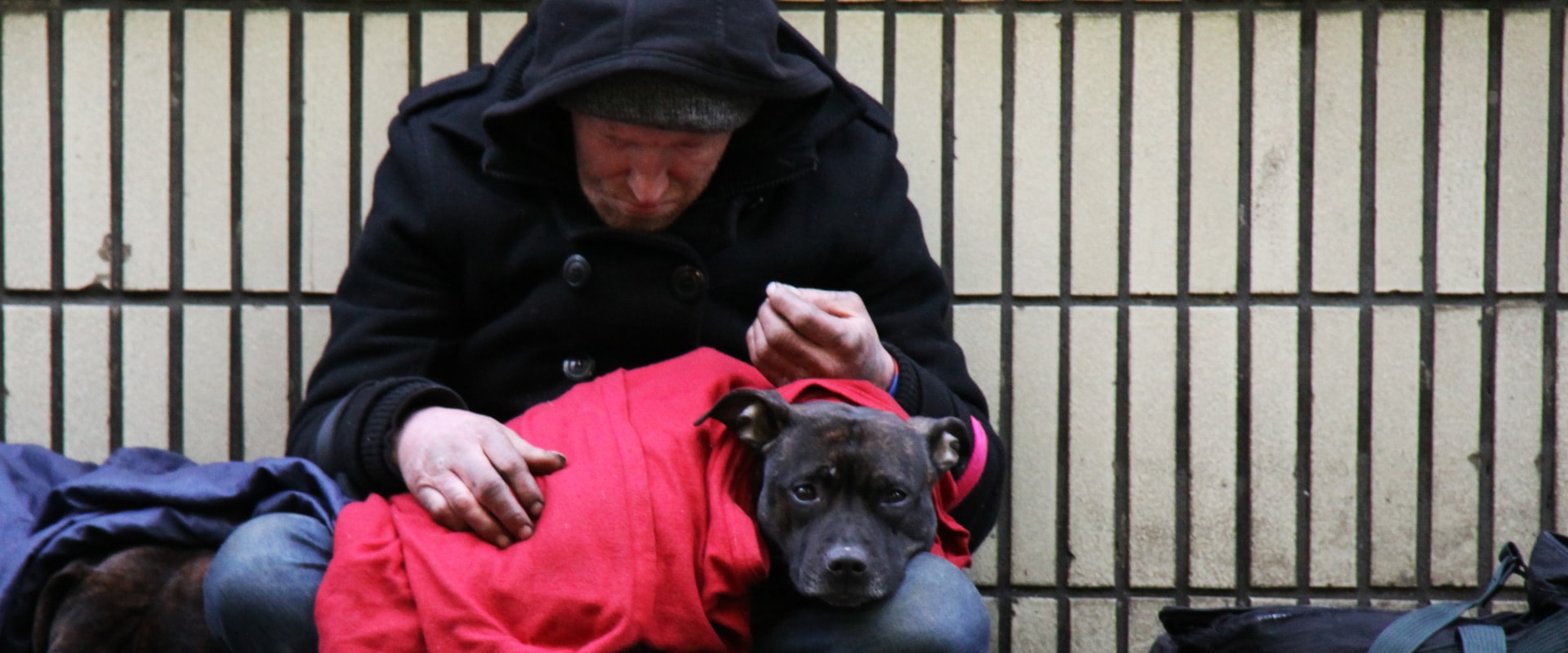
Homelessness is a complex and multifaceted issue that affects millions of individuals and families across the United States. It is not merely a lack of shelter; it encompasses a range of social, economic, and health-related challenges that can trap individuals in a cycle of poverty and despair. Understanding the nuances of homelessness is crucial for developing effective solutions and fostering empathy within our communities. The prevalence of homelessness has been on the rise, with various factors contributing to this alarming trend. Economic instability, rising housing costs, mental health issues, and substance abuse are just a few of the elements that can lead to an individual or family losing their home.
Furthermore, systemic issues such as inadequate access to healthcare and social services exacerbate the situation, making it increasingly difficult for those affected to regain stability. As we delve deeper into the challenges faced by the homeless, it becomes evident that their needs extend far beyond mere shelter. Individuals experiencing homelessness often confront a myriad of obstacles daily. These can include a lack of access to nutritious food, healthcare services, and safe environments. The stigma associated with being homeless can also lead to social isolation, making it harder for individuals to seek help or reintegrate into society.
Moreover, many face legal barriers that complicate their ability to secure employment or housing. By recognizing these challenges, we can better understand the urgent needs of this vulnerable population and work towards comprehensive solutions that address not only their immediate requirements but also the underlying causes of homelessness.
Basic Necessities: Food, Shelter, and Clothing
The plight of the homeless is a pressing issue that demands our attention, particularly when it comes to their basic necessities. Among these, access to food, safe shelter, and appropriate clothing stand out as the most critical elements for survival and dignity.Food
is a fundamental need that many homeless individuals struggle to secure. According to the U.
S. Department of Housing and Urban Development (HUD), approximately 580,000 people experience homelessness on any given night in the United States. Many of these individuals rely on food banks and soup kitchens for their daily meals. Unfortunately, these resources are often limited and can only provide a fraction of what is needed.
For instance, a study by the National Alliance to End Homelessness found that nearly 25% of homeless individuals report having gone without food for an entire day in the past month. This statistic highlights the urgent need for consistent access to nutritious meals. Equally important is shelter. A safe place to sleep not only provides physical protection from the elements but also offers a sense of security and stability. Many homeless individuals find themselves in temporary shelters, which can be overcrowded and lack privacy.
The National Coalition for the Homeless reports that over 60% of homeless individuals have experienced some form of violence while living on the streets or in shelters. This alarming statistic underscores the necessity for more permanent housing solutions that can offer safety and community support. Lastly, clothing plays a vital role in the lives of those experiencing homelessness. Proper clothing not only protects against harsh weather conditions but also contributes to an individual’s self-esteem and dignity. Items such as socks, underwear, and warm coats are often in high demand at shelters.
A survey conducted by the National Health Care for the Homeless Council revealed that 70% of respondents indicated they needed new clothing or shoes. This need is particularly acute during winter months when exposure to cold can lead to severe health issues. In conclusion, addressing the basic needs of food, shelter, and clothing is essential for improving the lives of homeless individuals. By understanding these fundamental requirements, we can better advocate for resources and policies that support this vulnerable population.
Health Care Access: Physical and Mental Health Needs
Access to health care is one of the most pressing challenges faced by individuals experiencing homelessness. The barriers to obtaining adequate medical attention are numerous and complex, often exacerbating both physical and mental health issues. Many homeless individuals suffer from a range of physical health issues , including chronic conditions such as diabetes, hypertension, and respiratory diseases.These conditions can be aggravated by the lack of stable housing, which often leads to exposure to harsh weather conditions and inadequate nutrition. Furthermore, the transient nature of homelessness makes it difficult for individuals to establish a consistent relationship with health care providers, leading to fragmented care and missed opportunities for preventive services. In addition to physical ailments, mental health needs are a significant concern within the homeless population. Many individuals experience mental health disorders such as depression, anxiety, and post-traumatic stress disorder (PTSD), often stemming from traumatic life experiences or the stressors associated with living without stable housing. Unfortunately, stigma surrounding mental health can deter individuals from seeking help, further isolating them from necessary support systems. Barriers to accessing health care for the homeless include:
- Lack of Insurance: Many homeless individuals do not have health insurance, making it difficult to afford necessary treatments.
- Transportation Issues: Limited access to reliable transportation can prevent individuals from attending medical appointments.
- Fear of Discrimination: Past negative experiences with health care providers can lead to distrust and reluctance to seek help.
- Complexity of Health Care Systems: Navigating the health care system can be overwhelming, especially for those already facing significant life challenges.
Providing comprehensive services that include both physical and mental health care can lead to better outcomes and reduce the long-term costs associated with untreated health issues. Initiatives such as mobile clinics, outreach programs, and partnerships with local organizations can help bridge the gap in access to care. Ultimately, recognizing and addressing the unique health care needs of the homeless population is essential in fostering a healthier community. By prioritizing these needs, we can work towards a more equitable society where everyone has access to the care they deserve.
The Importance of Hygiene and Personal Care Items
Hygiene and personal care items are often overlooked when discussing the needs of the homeless population, yet they play a crucial role in maintaining dignity and health. Access to basic hygiene products can significantly impact the well-being of individuals experiencing homelessness, providing them with a sense of normalcy and self-respect. Many homeless individuals face challenges in accessing clean water and facilities for personal care, making it essential for shelters and outreach programs to provide hygiene supplies.Here are some key items that are vital for the homeless:
- Soap and Body Wash: Basic cleansing products are fundamental for personal hygiene. Bar soap and liquid body wash help prevent infections and promote overall health.
- Shampoo and Conditioner: Clean hair is not only a matter of hygiene but also contributes to self-esteem. Providing travel-sized shampoo and conditioner can make a significant difference.
- Toothbrushes and Toothpaste: Oral hygiene is often neglected among the homeless, leading to dental issues. Distributing toothbrushes and toothpaste can help maintain oral health.
- Deodorant: This item is essential for personal comfort and social interactions.
A simple stick of deodorant can help individuals feel more confident in their daily lives.
- Feminine Hygiene Products: Women experiencing homelessness have specific needs that must be addressed. Providing sanitary pads and tampons is crucial for their health and dignity.
- Razors and Shaving Cream: For many, maintaining facial hair or grooming is an important aspect of personal care. Disposable razors and shaving cream can help individuals feel more presentable.
- Towels and Washcloths: Clean towels are necessary for drying off after washing, while washcloths can be used for quick clean-ups when facilities are not available.
Regular contributions of hygiene products not only support the physical health of homeless individuals but also contribute to their mental well-being by allowing them to maintain a sense of dignity. Ultimately, addressing the hygiene needs of the homeless population is a critical step toward fostering a healthier community. By providing essential personal care items, we can help restore dignity and improve the quality of life for those who are often marginalized in society.
Employment Opportunities: Barriers and Solutions
For many individuals experiencing homelessness, securing stable employment is a critical step towards regaining independence and improving their quality of life. However, numerous barriers hinder their ability to find and maintain jobs. Understanding these challenges is essential for developing effective solutions that can help homeless individuals reintegrate into the workforce.Barriers to Employment
- Lack of Address: Many employers require a permanent address for job applications, which poses a significant challenge for homeless individuals.
Without a stable place to live, they often struggle to provide the necessary documentation.
- Limited Access to Resources: Homeless individuals frequently lack access to essential resources such as transportation, professional clothing, and technology. This lack of access can make it difficult to attend interviews or complete online job applications.
- Stigma and Discrimination: The stigma associated with homelessness can lead to discrimination in hiring practices. Employers may hold biases against those who have experienced homelessness, making it harder for them to secure job opportunities.
- Skill Gaps: Many homeless individuals may lack the skills or education required for available jobs. This gap can be due to various factors, including interrupted education or limited work experience.
- Mental Health and Substance Abuse Issues: Mental health challenges and substance abuse can significantly impact an individual's ability to seek and maintain employment.
These issues often require comprehensive support services that are not always readily available.
Solutions and Support Programs
To address these barriers, several programs have emerged that focus on providing support and resources tailored to the needs of homeless individuals seeking employment:
- Job Training Programs: Organizations like Goodwill Industries offer job training and placement services specifically designed for homeless individuals. These programs often include skills training, resume workshops, and interview preparation.
- Transitional Employment Opportunities: Some nonprofits provide transitional jobs that allow homeless individuals to gain work experience while earning a paycheck. These positions often come with support services that help participants transition into permanent employment.
- Access to Resources: Programs that provide access to transportation vouchers, professional attire, and technology can significantly improve the chances of securing employment. For instance, local shelters may partner with businesses to offer clothing drives or transportation assistance.
- Mental Health Services: Integrating mental health support into employment programs can help address underlying issues that may hinder job performance.
Providing counseling and rehabilitation services can empower individuals to overcome personal challenges.
Social Support Systems: Community and Connection
For individuals experiencing homelessness, the absence of a stable living situation often leads to a profound sense of isolation. This is where social support systems play a crucial role in fostering community connections that can significantly improve their quality of life. These systems encompass a range of resources, including emotional support, practical assistance, and access to essential services. Community resources for the homeless are vital in providing not just immediate relief but also long-term solutions.Local organizations, shelters, and outreach programs offer a variety of services that can help individuals regain their footing. For instance:
- Food Banks: These facilities provide nutritious meals and groceries, ensuring that individuals do not have to worry about where their next meal will come from.
- Job Training Programs: Many organizations offer skills training and employment assistance, helping homeless individuals develop the necessary skills to secure stable employment.
- Mental Health Services: Access to counseling and mental health support is crucial for many who face the dual challenges of homelessness and mental health issues.
- Healthcare Services: Regular medical care is often neglected by those without stable housing. Community clinics can provide essential health services.
Support groups and community events create opportunities for homeless individuals to share their experiences and learn from one another. This connection fosters resilience and encourages individuals to seek help when needed. In addition to formal support systems, informal networks—such as friendships formed in shelters or among those living on the streets—can also provide critical emotional backing. These relationships often serve as lifelines, offering companionship and understanding in times of distress. Ultimately, enhancing community connections is essential for addressing the multifaceted needs of homeless individuals. By investing in social support systems, communities can help break the cycle of homelessness and empower individuals to rebuild their lives with dignity and hope.
Education and Skill Development: Breaking the Cycle of Homelessness
Education and skill development are crucial components in addressing the complex issue of homelessness.By providing homeless individuals with access to educational resources and training programs, we can empower them to break free from the cycle of poverty and instability. This section delves into the significance of education for the homeless and highlights successful initiatives that have made a tangible difference.
Understanding the Barriers
Many homeless individuals face significant barriers to education, including lack of transportation, financial constraints, and limited access to technology. These obstacles can create a sense of hopelessness, making it difficult for them to envision a path toward self-sufficiency. However, targeted educational programs can help bridge these gaps.
Successful Educational Programs
- Community Colleges: Many community colleges offer programs specifically designed for homeless individuals, providing free or low-cost classes that focus on essential skills such as literacy, numeracy, and vocational training.
These programs often include counseling services to help students navigate their personal challenges.
- Job Training Initiatives: Organizations like Goodwill and Job Corps provide job training programs that equip homeless individuals with marketable skills. These initiatives often include internships or apprenticeships that allow participants to gain real-world experience while earning a stipend.
- Online Learning Platforms: With the rise of technology, online learning platforms have become invaluable resources for homeless individuals. Programs like Khan Academy and Coursera offer free courses on a wide range of subjects, allowing users to learn at their own pace and on their own schedule.
The Impact of Education on Homelessness
Education not only enhances an individual's employability but also fosters a sense of self-worth and empowerment. By acquiring new skills and knowledge, homeless individuals can improve their job prospects, leading to stable employment and housing.
Furthermore, education can help break generational cycles of poverty by equipping participants with the tools they need to support themselves and their families.
Conclusion
Investing in education and skill development for the homeless is not just a charitable act; it is a strategic approach to addressing homelessness at its roots. By supporting educational initiatives, we can help transform lives and create a more equitable society where everyone has the opportunity to thrive.
The Role of Donations: What Shelters Really Need
When considering how to support homeless individuals, many people think of donating clothing or food. While these items are certainly valuable, they often overlook the specific needs of shelters and the individuals they serve. Understanding what shelters truly require can make a significant difference in the effectiveness of donations.Common Misconceptions About Donations
One prevalent misconception is that any donation is a good donation.
However, this is not always the case. Shelters frequently receive an abundance of items that they cannot use or do not need, such as outdated clothing or non-perishable food that has been sitting in pantries for years. This can lead to wasted resources and space that could be better utilized for items that are in high demand.
Essential Items for Shelters
To truly support homeless individuals, it’s crucial to focus on what shelters need most:
- Underwear and Socks: These items are often in short supply and are essential for personal hygiene. New, unused underwear and socks can provide comfort and dignity to those experiencing homelessness.
- Blankets and Sleeping Bags: As temperatures drop, the need for warmth becomes critical.
Donating clean blankets or sleeping bags can help keep individuals warm during cold nights.
- Pillows: A good night’s sleep is vital for mental health. Pillows can provide comfort and support, making a shelter stay more bearable.
- Coats and Warm Clothing: Seasonal changes bring about the need for warm clothing. Donating coats, hats, gloves, and scarves can help protect individuals from harsh weather conditions.
- Personal Care Items: Toiletries such as soap, shampoo, toothpaste, and feminine hygiene products are often overlooked but are essential for maintaining hygiene and dignity.
The Importance of Cash Donations
While physical items are important, cash donations can be incredibly effective as well. They allow shelters to purchase exactly what they need at any given time, ensuring that resources are allocated efficiently.
Cash donations also help cover operational costs such as utilities and staffing, which are crucial for running a shelter effectively. In conclusion, understanding the specific needs of homeless shelters can enhance the impact of your contributions. By focusing on essential items and considering cash donations, you can play a vital role in supporting those experiencing homelessness in your community.
FAQs About Homelessness: Common Questions Answered
Understanding homelessness is crucial for fostering empathy and creating effective solutions. Here are some frequently asked questions that can help clarify common misconceptions and provide valuable insights into this complex issue.What causes homelessness?
Homelessness is often the result of a combination of factors, including:- Economic instability: Job loss, low wages, and rising housing costs can push individuals and families into homelessness.
- Mental health issues: Many homeless individuals struggle with mental health disorders that can hinder their ability to maintain stable housing.
- Addiction: Substance abuse can lead to a cycle of poverty and homelessness, making it difficult for individuals to secure employment or housing.
- Lack of affordable housing: In many areas, the availability of affordable housing has not kept pace with demand, leaving many without options.
- Family issues: Domestic violence, family disputes, or the loss of a primary caregiver can result in individuals becoming homeless.
Who are the homeless?
The homeless population is diverse and includes:- Individuals: Single adults often make up a significant portion of the homeless population.
- Families: Many families with children experience homelessness due to economic hardship or domestic violence.
- Youth: Young people, including those who have aged out of foster care, may find themselves without stable housing.
- Elderly individuals: Seniors on fixed incomes may struggle to afford housing as costs rise.
How can I help the homeless?
If you're looking to make a difference, consider the following actions:- Donate: Financial contributions to local shelters or organizations can provide essential resources.
- Volunteer: Offer your time at shelters or food banks to help those in need directly.
- Advocate: Support policies that promote affordable housing and mental health services.
- Educate yourself and others: Understanding the complexities of homelessness can help combat stigma and promote empathy.
Conclusion: Addressing the Needs of the Homeless Community Together
In conclusion, addressing the needs of the homeless community requires a multifaceted approach that encompasses not only immediate relief but also long-term solutions. Throughout this article, we have explored various critical needs of the homeless, including shelter, food, clothing, and healthcare.Each of these elements plays a vital role in ensuring that individuals experiencing homelessness can regain their footing and reintegrate into society. One of the most pressing needs is access to safe and stable housing. Without a roof over their heads, individuals are vulnerable to numerous challenges, including exposure to harsh weather conditions and increased risk of violence. Affordable housing initiatives must be prioritized by local governments and organizations to create sustainable living environments for those in need. Moreover, food security is another essential aspect that cannot be overlooked. Many homeless individuals face food scarcity daily, which exacerbates their health issues and overall well-being.
Community-driven food programs and partnerships with local businesses can help bridge this gap by providing nutritious meals and resources. Clothing donations, particularly items like socks and underwear, are often overlooked yet are crucial for maintaining dignity and comfort. As highlighted earlier, shelters frequently run low on these basic necessities. By organizing clothing drives or donating directly to shelters, we can significantly impact the lives of those who rely on these services. Healthcare access is equally important. Many homeless individuals suffer from untreated medical conditions due to lack of insurance or transportation barriers.
Mobile clinics and outreach programs can provide essential health services directly to those in need, ensuring they receive the care necessary for recovery. Ultimately, it is clear that addressing the needs of the homeless community is not solely the responsibility of shelters or government agencies; it requires collective action from all sectors of society. By coming together—whether through volunteering time, donating resources, or advocating for policy changes—we can create a more compassionate and supportive environment for our homeless neighbors. Let us remember that every small effort counts. Together, we can make a significant difference in the lives of those experiencing homelessness and work towards a future where everyone has a place to call home.