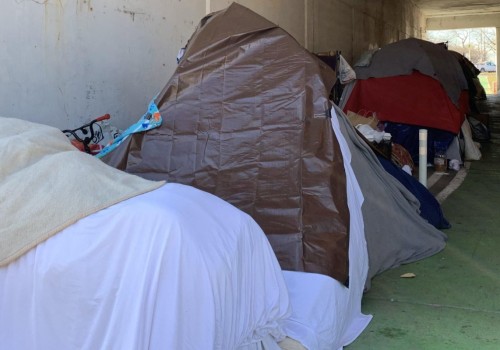
Understanding Food Stamp Eligibility for Homeless Individuals
Explore how homeless individuals can access food stamps and the eligibility criteria for SNAP benefits.

Food stamps, officially known as the Supplemental Nutrition Assistance Program (SNAP), play a crucial role in providing nutritional assistance to millions of Americans, including those experiencing homelessness. The program is designed to help individuals and families access food, ensuring that they can meet their basic nutritional needs. For homeless individuals, the challenges of securing adequate food can be compounded by their living situations, making it essential to understand how SNAP benefits can be accessed and utilized effectively. Many people may not realize that homeless individuals have the same rights to apply for and receive food stamps as anyone else. This includes those living on the streets, in shelters, or temporarily staying with friends or family.
The eligibility criteria for SNAP benefits are structured to accommodate various living situations, which is particularly important for homeless individuals who may face unique barriers. Understanding these criteria is vital for ensuring that those in need can access the support available to them. Moreover, SNAP offers specific provisions tailored to assist homeless individuals. For instance, there are exemptions from work requirements for certain groups within the homeless population, allowing them to focus on securing stable housing and employment without the added pressure of meeting stringent eligibility criteria. Additionally, programs like the Restaurant Meals Program enable homeless individuals to use their EBT cards at participating restaurants, providing them with more options for meals when cooking at home is not feasible. As we delve deeper into this topic, it is essential to explore the various aspects of SNAP benefits related to homelessness, including eligibility requirements, application processes, and the rights of homeless individuals under this program.
By shedding light on these critical issues, we can better understand how food stamps serve as a lifeline for many who find themselves without stable housing.
What Are Food Stamps?
Food stamps, officially known as the Supplemental Nutrition Assistance Program (SNAP), serve as a vital resource for individuals and families facing food insecurity. This program is designed to provide financial assistance to low-income households, enabling them to purchase nutritious food. The benefits are issued through an Electronic Benefits Transfer (EBT) card, which functions similarly to a debit card, allowing recipients to buy eligible food items at authorized retailers. SNAP benefits are determined based on several factors, including household size, income, and expenses. The program aims to ensure that all participants have access to a basic level of nutrition, which is essential for maintaining health and well-being.For many individuals, especially those experiencing homelessness or living in shelters, SNAP can be a crucial lifeline. One of the key features of the SNAP program is its flexibility in usage. Recipients can use their benefits to purchase a wide variety of food items, including:
- Fruits and vegetables
- Meat, poultry, and fish
- Dairy products
- Breads and cereals
- Seeds and plants that produce food
This includes the ability to receive mail at a shelter or have a caseworker assist with the application process. In addition to providing essential food assistance, SNAP also plays a significant role in supporting local economies. When recipients use their benefits at grocery stores and farmers' markets, it stimulates economic activity and helps sustain jobs in the community. Overall, the SNAP program is an essential component of the social safety net in the United States, helping millions of Americans access the food they need to lead healthy lives.
Eligibility Criteria for SNAP Benefits
Understanding the eligibility criteria for the Supplemental Nutrition Assistance Program (SNAP), commonly known as food stamps, is essential for homeless individuals seeking assistance. The program is designed to provide nutritional support to low-income households, and it has specific guidelines that determine who qualifies.Income Limits
One of the primary factors in determining eligibility for SNAP benefits is household income. Generally, to qualify for SNAP, a household's gross monthly income must be at or below 130% of the federal poverty level.
For example, as of 2023, this means that a single individual must have a gross monthly income of less than approximately $1,473. For a family of four, the limit is around $3,015. These figures can vary slightly based on annual adjustments, so it’s important to check the latest guidelines.
Household Composition
Another critical aspect of eligibility is household composition. A household can consist of individuals who live together and purchase food and prepare meals together. For homeless individuals, this can be somewhat complex. If a homeless person temporarily stays with friends or family but does not share meals or expenses, they may be considered a separate household for SNAP purposes.
Moreover, certain groups are given special consideration under SNAP rules:
- Pregnant Women: Expecting mothers are often prioritized in the application process.
- Children: Households with children under 18 years old may receive additional benefits.
- Elderly Individuals: Those aged 60 and over may have different income thresholds.
- Disabled Individuals: People with physical or mental disabilities may also qualify for exemptions from work requirements.
Work Requirements
While many applicants must meet work requirements to receive benefits, homeless individuals without dependents may be exempt from these requirements for up to three months.
This exemption recognizes the unique challenges faced by those experiencing homelessness. In summary, eligibility for SNAP benefits involves meeting specific income limits and understanding household composition. Homeless individuals should be aware of these criteria to effectively navigate the application process and secure the assistance they need.
Special Considerations for Homeless Individuals
When it comes to applying for SNAP benefits, homeless individuals face unique challenges and considerations that differ from those of the general population. Understanding these special rights and provisions is crucial for ensuring that homeless individuals can access the nutritional support they need. One of the primary advantages for homeless individuals is their eligibility for food stamps regardless of their living situation. This includes those who reside in shelters, live on the streets, or stay temporarily with friends or family.Importantly, homeless individuals can still qualify for benefits even if they receive meals from soup kitchens or shelters that provide food at no cost. To facilitate the application process, homeless individuals are often required to provide documentation that verifies their living situation. For instance, if they are staying in a shelter, a letter from a shelter employee confirming their residency is typically necessary. This documentation helps establish their eligibility and ensures that they receive the appropriate benefits. Moreover, the Supplemental Nutrition Assistance Program (SNAP) recognizes the specific needs of homeless individuals by offering certain exemptions. For example, homeless individuals without dependents may be exempt from work requirements for extended periods, allowing them to focus on securing stable housing and employment without the added pressure of meeting work-related criteria. Another significant aspect of SNAP for homeless individuals is the ability to utilize benefits in various settings.
Through programs like the Restaurant Meals Program, eligible participants can use their EBT cards to purchase prepared meals at designated restaurants, which is particularly beneficial for those who lack cooking facilities. Additionally, many shelters and soup kitchens are approved as meal providers, enabling homeless individuals to use their benefits to obtain meals directly from these establishments. It’s also important to note that homeless individuals can maintain their status as separate households when temporarily living with others, provided they prepare and purchase their meals independently. This flexibility allows them to navigate their living situations while still accessing necessary resources. In summary, while applying for SNAP benefits can be complex for homeless individuals, understanding their special rights and available resources can significantly ease this process. By leveraging these provisions, homeless individuals can secure vital nutritional support as they work towards stability and self-sufficiency.
How Homeless Individuals Can Apply for Food Stamps
Applying for food stamps, officially known as the Supplemental Nutrition Assistance Program (SNAP), can be a crucial step for homeless individuals seeking assistance with their nutritional needs.The application process is designed to be accessible, even for those without a permanent address. Here’s a detailed guide on how homeless individuals can navigate this process effectively.
Step 1: Determine Eligibility
Before applying, it’s important to understand the eligibility criteria for SNAP. Homeless individuals can qualify for benefits if they meet certain income and resource limits. Generally, the following groups are eligible:- Individuals living on the streets
- Residents of shelters for the homeless
- People staying in transitional housing programs
- Individuals receiving meals from soup kitchens or similar facilities
Step 2: Gather Required Documentation
The next step involves collecting necessary documents to support the application.While specific requirements may vary by state, common documents include:
- Identification: A government-issued ID or any form of identification that verifies your identity.
- Proof of Residence: A letter from a shelter employee confirming your stay at the shelter or a statement from a service provider.
- Income Verification: Documentation of any income sources, such as pay stubs or letters from employers.
- Social Security Number: If applicable, provide your Social Security number or proof of application for one.
Step 3: Complete the Application
The application can typically be completed online, by mail, or in person at local SNAP offices. For homeless individuals, applying in person may provide additional support from staff who can assist with the process. When filling out the application:- Be Honest: Provide accurate information regarding your living situation and income.
- Ask for Help: If you encounter difficulties, don’t hesitate to ask staff at shelters or food banks for assistance.
Step 4: Attend an Interview
After submitting your application, you will likely need to attend an interview. This can often be done over the phone or in person.During this interview, you will discuss your situation and confirm the information provided in your application. It’s essential to be prepared and have any additional documentation ready if requested.
Step 5: Receive Your Benefits
If approved, you will receive an Electronic Benefits Transfer (EBT) card that can be used to purchase food at authorized retailers. Remember that even if you are living in a shelter that provides meals, you may still qualify for SNAP benefits. Navigating the SNAP application process as a homeless individual may seem daunting, but understanding each step can help ease the journey toward obtaining essential food assistance.Using SNAP Benefits as a Homeless Individual
For individuals experiencing homelessness, utilizing SNAP benefits can be a vital resource for accessing nutritious food. Understanding how to effectively use these benefits is crucial for maintaining health and well-being.Here’s a comprehensive guide on how homeless individuals can make the most of their SNAP benefits.
Where to Use EBT Cards
- Grocery Stores: Many grocery stores accept EBT cards, allowing homeless individuals to purchase food items. Look for stores that are part of the SNAP program, which can often be identified by a sign indicating they accept EBT.
- Farmers' Markets: Some farmers' markets participate in the SNAP program, enabling users to buy fresh produce directly from local farmers. This not only supports local agriculture but also provides access to healthy food options.
- Restaurants: Through the Restaurant Meals Program, certain fast-food establishments allow homeless individuals to use their EBT cards. This program is designed for those who may not have access to cooking facilities.
- Shelters and Meal Programs: Many homeless shelters and meal programs accept SNAP benefits, allowing individuals to use their cards to purchase meals prepared on-site.
Meal Options Available
When using SNAP benefits, homeless individuals have a variety of meal options available:
- Canned and Packaged Foods: These items are often easy to prepare and require minimal cooking facilities.
Options include canned vegetables, soups, and ready-to-eat meals.
- Fresh Produce: Utilizing benefits at farmers' markets or grocery stores allows for the purchase of fresh fruits and vegetables, which are essential for a balanced diet.
- Dairy Products: Milk, cheese, and yogurt can be purchased with SNAP benefits, providing important nutrients.
- Meat and Poultry: Protein sources such as chicken, beef, and fish are available for purchase, contributing to a well-rounded diet.
Common Misconceptions About Food Stamps and Homelessness
When discussing food stamps and homelessness, several misconceptions often arise that can cloud understanding of the realities faced by homeless individuals seeking assistance. Addressing these myths is crucial for fostering a more informed perspective on the Supplemental Nutrition Assistance Program (SNAP) and its accessibility for those experiencing homelessness.- Myth 1: Homeless People Cannot Qualify for Food Stamps
One of the most pervasive myths is that individuals without a permanent address are ineligible for food stamps. In reality, homeless individuals can qualify for SNAP benefits just like anyone else, provided they meet the income and resource requirements.This includes those living in shelters, on the streets, or temporarily staying with friends or family.
- Myth 2: You Must Have a Permanent Address to Apply
Many believe that a permanent address is a prerequisite for applying for food stamps. However, homeless individuals can use the address of a shelter or even the SNAP office itself for their application. This flexibility ensures that those without stable housing can still access vital nutritional assistance. - Myth 3: Food Stamps Are Only for Families with Children
While families with children do receive significant attention in discussions about food assistance, single homeless individuals are equally eligible for SNAP benefits. The program is designed to support all low-income households, regardless of their composition. - Myth 4: Receiving Food Stamps Means You Cannot Access Other Services
Some believe that receiving SNAP benefits disqualifies them from other forms of assistance, such as meals from soup kitchens or shelters.This is not true; in fact, many shelters and meal programs encourage individuals to apply for food stamps to supplement their food sources.
Resources for Homeless Individuals Seeking Food Assistance
For homeless individuals seeking food assistance, there are numerous resources available beyond the Supplemental Nutrition Assistance Program (SNAP). These resources can provide immediate relief and ongoing support to help meet nutritional needs.Local Food Banks and Pantries
- Food banks and pantries are vital resources for homeless individuals. They offer free groceries and meals to those in need.
Many operate on a no-questions-asked basis, making them accessible to everyone.
- To find a local food bank, individuals can visit websites like Feeding America, which provides a searchable database of food assistance programs across the United States.
Soup Kitchens
- Soup kitchens serve hot meals to those in need, often without requiring any identification or proof of income. These facilities are typically run by non-profit organizations, churches, or community groups.
- Many soup kitchens also offer additional services such as clothing distribution and hygiene products, making them a comprehensive resource for homeless individuals.
Community Meal Programs
- Various community organizations run meal programs that provide free or low-cost meals to homeless individuals. These programs may operate on specific days of the week or during certain hours.
- Local churches and community centers often host these meal events, fostering a sense of community while addressing hunger.
Emergency Shelters
- Emergency shelters not only provide a safe place to sleep but often include meal services as part of their offerings. Many shelters have partnerships with local food providers to ensure that residents receive nutritious meals.
- Individuals can contact local shelters to inquire about their meal services and any requirements for staying there.
Government Assistance Programs
- In addition to SNAP, various government programs exist to assist homeless individuals with food security.
Programs like the Emergency Food Assistance Program (TEFAP) provide food commodities to low-income individuals through local agencies.
- State and local governments may also have specific initiatives aimed at addressing hunger among the homeless population, so it’s beneficial to check with local social services for available options.
Support Services and Outreach Programs
- Many non-profit organizations offer outreach services that connect homeless individuals with food assistance resources. These programs often include case management, helping individuals navigate available services effectively.
- Outreach teams may also distribute food directly in areas where homeless individuals congregate, ensuring that those who may not seek help still receive necessary support.
Conclusion: Empowering the Homeless Community Through Food Assistance Programs
In conclusion, food assistance programs play a crucial role in addressing the needs of the homeless community. These programs, particularly the Supplemental Nutrition Assistance Program (SNAP), provide essential support to individuals who are often marginalized and face significant barriers to accessing basic necessities. By understanding the eligibility criteria and the specific provisions available for homeless individuals, we can better advocate for their rights and ensure they receive the assistance they need. One of the most important aspects of SNAP is its inclusivity.Homeless individuals have the same rights to apply for food stamps as any other citizen, which is a vital step towards self-sufficiency. The program recognizes the unique challenges faced by those without stable housing, offering special provisions such as exemptions from work requirements for certain groups. This flexibility allows individuals to focus on their immediate needs without the added pressure of meeting stringent employment criteria. Moreover, initiatives like the Restaurant Meals Program further enhance accessibility by allowing homeless individuals to use their EBT cards at participating restaurants. This is particularly beneficial for those who lack cooking facilities or access to nutritious meals.
By expanding the options available to them, these programs not only alleviate hunger but also promote dignity and choice in food selection. It is also essential to highlight the role of shelters and meal providers in this ecosystem. By partnering with SNAP and becoming approved meal providers, shelters can offer meals that are not only nourishing but also compliant with nutritional guidelines. This collaboration ensures that homeless individuals can access healthy food options while receiving support from organizations dedicated to their well-being. Ultimately, empowering the homeless community through food assistance programs is about more than just providing meals; it is about restoring hope and fostering independence. As we continue to advocate for these vital resources, we must remember that every individual deserves access to nutritious food and the opportunity to thrive, regardless of their housing situation.