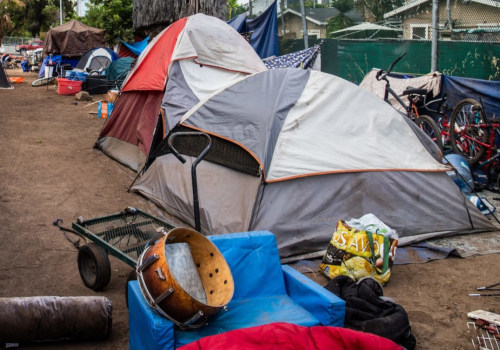
Essential Needs of Homeless Shelters: A Comprehensive Guide
Discover the essential needs of homeless shelters and how you can help. Learn about donations, volunteering, and supporting those in need.

Homeless shelters play a vital role in our communities, serving as a lifeline for individuals and families facing homelessness. These facilities provide not only a safe place to sleep but also essential services that can help people regain their footing. However, the effectiveness of homeless shelters hinges on their ability to meet the diverse needs of their residents. Understanding what these shelters require is crucial for anyone looking to make a meaningful impact. At the core of every homeless shelter's mission is the need for basic necessities.
Items such as food, clothing, and hygiene products are fundamental to ensuring that individuals experiencing homelessness can maintain their dignity and health. Yet, the needs extend far beyond these essentials. Shelters often require financial support to purchase supplies, maintain facilities, and offer programs that address mental health and addiction issues. This financial flexibility allows shelters to adapt to the ever-changing landscape of homelessness and respond effectively to the unique challenges faced by their residents. Moreover, community involvement is essential in supporting homeless shelters.
Volunteers can provide invaluable assistance, whether through direct service or by organizing donation drives for much-needed items. By fostering a culture of giving and awareness, we can help ensure that shelters are equipped with the resources they need to serve those in crisis. In this article, we will delve deeper into the specific items and support systems that are critical for homeless shelters, highlighting how each contribution can make a significant difference in the lives of those they serve.
Basic Necessities: What Every Shelter Requires
Homeless shelters play a crucial role in providing immediate relief and support to individuals and families facing homelessness. To effectively serve their residents, these shelters require a variety of basic necessities that ensure comfort, dignity, and a sense of normalcy.Understanding what these essential items are can help potential donors make informed contributions that truly benefit those in need.
Food and Nutrition
- Non-perishable food items: Canned goods, pasta, rice, and dried beans are staples that shelters often need. These items have a long shelf life and can be easily stored until they are needed.
- Fresh produce: Whenever possible, shelters appreciate donations of fresh fruits and vegetables. These items provide vital nutrients that contribute to the overall health of residents.
- Prepared meals: Many shelters accept prepared meals or meal kits that can be quickly served to residents, especially during busy times.
Clothing Essentials
- Underwear and socks: These items are often in high demand as they are essential for personal hygiene and comfort. Donating new underwear and socks in various sizes ensures that every resident has access to clean clothing.
- Outerwear: Jackets, hats, gloves, and scarves are critical during colder months.
Providing warm clothing can significantly improve the quality of life for those living on the streets.
- Footwear: Sturdy shoes or boots are necessary for protecting feet from harsh conditions. Many individuals experiencing homelessness walk long distances, making proper footwear essential.
Hygiene Products
- Personal care items: Shelters consistently need soap, shampoo, toothpaste, toothbrushes, and feminine hygiene products. These items not only promote cleanliness but also help restore dignity to individuals who may feel marginalized.
- Towels and washcloths: Clean towels are vital for maintaining hygiene standards within shelters. They provide residents with the means to dry off after showers or washing up.
- Sanitary supplies: Items such as toilet paper and sanitary napkins are often overlooked but are essential for the comfort of shelter residents.
By donating food, clothing, and hygiene products, individuals can make a significant impact on the lives of those experiencing homelessness. Every contribution helps create a more supportive environment where residents can begin to rebuild their lives with dignity and respect.
Clothing Donations: More Than Just Warmth
When considering how to support homeless shelters, clothing donations play a crucial role in addressing the immediate needs of individuals experiencing homelessness. While many people may think of clothing as merely a means of warmth, it serves a much deeper purpose in restoring dignity and self-esteem to those in need.Essential Clothing Items
- Underwear: Often overlooked, new underwear is one of the most requested items at shelters. Providing clean underwear not only ensures hygiene but also offers a sense of comfort and personal dignity.
Many shelters emphasize the need for various sizes to accommodate all individuals.
- Socks: Socks are another critical item that shelters frequently require. They are essential for keeping feet warm and dry, especially during colder months. Donating new socks can significantly improve the quality of life for those living on the streets.
- Outerwear: Jackets, coats, and sweaters are vital for protection against harsh weather conditions. Many homeless individuals lack adequate outerwear, making them vulnerable to the elements.
Warm clothing can be lifesaving during winter months.
- Pants and Shirts: Basic clothing items like jeans, t-shirts, and long-sleeve shirts are always in demand. These items help individuals blend into society and feel more comfortable when seeking employment or attending appointments.
The Importance of Clothing for Self-Esteem
Clothing is not just about physical warmth; it also plays a significant role in mental well-being. For many individuals experiencing homelessness, wearing clean and appropriate clothing can enhance their self-image and confidence. This boost in self-esteem is particularly important when they are trying to reintegrate into society or seek employment opportunities. Moreover, having access to suitable clothing can help individuals feel more accepted in social situations.
It allows them to participate in community activities without feeling out of place or judged based on their appearance. This sense of belonging is vital for mental health and can motivate individuals to pursue long-term solutions to their housing situation. In conclusion, donating clothing to homeless shelters is an impactful way to support those in need. By focusing on essential items like underwear, socks, and outerwear, donors can provide not just warmth but also a renewed sense of dignity and hope for individuals facing homelessness.
Personal Care Items: Enhancing Hygiene and Health
Personal care items play a crucial role in the lives of individuals experiencing homelessness. These products not only enhance hygiene but also contribute significantly to the overall health and well-being of shelter residents.Access to basic hygiene products can make a profound difference in a person's life, providing them with dignity and a sense of normalcy.
Soap and Shampoo
One of the most essential items that homeless shelters require is soap. Both liquid and bar soap are vital for maintaining cleanliness. Regular handwashing can prevent the spread of illness, which is particularly important in communal living situations like shelters. Additionally, shampoo is equally important; it helps individuals maintain their hair hygiene, which can boost self-esteem and confidence.
Freshly washed hair can make a significant difference when seeking employment or housing.
Feminine Hygiene Products
For women experiencing homelessness, access to feminine hygiene products is critical. Shelters often struggle to keep these items in stock, yet they are essential for health and comfort. Organizations like The Homeless Period Project work tirelessly to provide menstrual supplies to those in need. Donating tampons, pads, and menstrual cups can help alleviate the stress and discomfort many women face while living in shelters.
Dental Care Items
Oral hygiene is another area that requires attention.
Many shelters seek donations of dental care items, such as toothbrushes, toothpaste, and floss. Good oral health is vital not only for physical health but also for social interactions. A bright smile can open doors to job opportunities and foster positive relationships.
The Importance of Personal Care
Providing personal care items goes beyond mere hygiene; it promotes mental health as well. When individuals feel clean and cared for, they are more likely to engage positively with their surroundings.
This can lead to improved mental well-being, making it easier for them to seek employment or housing solutions. In conclusion, donating personal care items to homeless shelters is an impactful way to support those in need. By focusing on hygiene products such as soap, shampoo, feminine hygiene products, and dental care items, we can help enhance the quality of life for shelter residents and empower them on their journey toward stability.
Food and Nutrition: Meeting Dietary Needs
Providing nutritious meals in homeless shelters is crucial for the health and recovery of individuals experiencing homelessness. Proper nutrition not only helps to maintain physical health but also plays a significant role in mental well-being. When shelters prioritize food donations that meet the dietary needs of their residents, they contribute to a more supportive environment that fosters recovery and stability. Many individuals facing homelessness often struggle with food insecurity, which can lead to malnutrition and various health issues.Therefore, it is essential for shelters to offer meals that are not only filling but also rich in essential nutrients. Here are some key considerations regarding food donations and meal planning for homeless shelters:
- Balanced Meals: Meals should include a variety of food groups, such as proteins, whole grains, fruits, and vegetables. This balance ensures that residents receive the necessary vitamins and minerals to support their overall health.
- Special Dietary Needs: Some individuals may have specific dietary restrictions due to health conditions or personal preferences. Shelters should strive to accommodate these needs by offering vegetarian, vegan, gluten-free, or allergen-free options whenever possible.
- Fresh Produce: Incorporating fresh fruits and vegetables into meals can significantly enhance the nutritional value.
Donating fresh produce not only provides essential vitamins but also encourages healthier eating habits among residents.
- Canned and Non-Perishable Goods: While fresh food is ideal, canned goods and non-perishable items are also valuable for shelters. Items like beans, lentils, canned vegetables, and whole grain pasta can be easily stored and prepared.
- Meal Preparation: Engaging volunteers in meal preparation can create a sense of community within the shelter. Cooking together can also provide an opportunity for residents to learn valuable cooking skills that they can use in the future.
Furthermore, when individuals feel physically well-nourished, they are more likely to engage in programs aimed at recovery and self-sufficiency. In conclusion, addressing the nutritional needs of homeless individuals through thoughtful food donations and meal planning is vital for their overall well-being. By prioritizing nutritious meals in shelters, we can help pave the way for healthier lives and brighter futures for those experiencing homelessness.
Safety and Comfort: Essential Shelter Supplies
Creating a safe and comfortable environment in homeless shelters is crucial for the well-being of residents. Essential supplies that contribute to this environment include blankets, pillows, and flashlights, each playing a significant role in enhancing the quality of life for those seeking refuge.Blankets
are not just a source of warmth; they provide a sense of security and comfort. For many individuals experiencing homelessness, a blanket can serve as a personal space, offering a small measure of privacy in a communal setting.
Donating new or gently used blankets can help shelters ensure that every resident has access to this basic necessity, especially during colder months when temperatures drop significantly.
Pillows
also contribute to the comfort of shelter residents. A good night's sleep is essential for mental and physical health, and having a pillow can make a significant difference in achieving restful sleep. Many shelters struggle to keep enough pillows on hand due to high demand, so donations of new pillows can greatly enhance the sleeping conditions for those in need.
In addition to comfort items, flashlights are vital for safety. Many shelters operate in areas where lighting may be inadequate, and providing residents with flashlights can help them navigate their surroundings safely at night.
Flashlights not only illuminate dark paths but also serve as a personal safety tool, giving individuals a sense of control over their environment. Moreover, shelters often require first aid supplies to address minor injuries that may occur among residents. Items such as band-aids, antiseptic wipes, and gauze can be lifesavers in situations where immediate medical attention is not available. Ensuring that shelters are stocked with these supplies can help prevent infections and promote overall health. Ultimately, the combination of comfort items like blankets and pillows with safety supplies such as flashlights and first aid kits creates an environment where individuals can feel secure and cared for. By donating these essential items, community members can play a vital role in supporting homeless shelters and improving the lives of those they serve.
Mental Health Support: Resources Needed by Shelters
Addressing the mental health needs of homeless individuals is a critical component of the support services that shelters must provide.Many people experiencing homelessness face significant psychological challenges, including depression, anxiety, and trauma-related disorders. These issues can be exacerbated by the stress of living without stable housing, making it essential for shelters to offer comprehensive mental health resources.
Counseling Services
- Access to professional counseling is vital for helping individuals process their experiences and develop coping strategies. Trained mental health professionals can provide one-on-one therapy sessions, which can be instrumental in addressing personal issues that contribute to homelessness.
- Group therapy sessions can also be beneficial, allowing individuals to share their experiences in a supportive environment. This communal approach fosters a sense of belonging and reduces feelings of isolation.
Support Groups
- Support groups tailored to specific issues—such as addiction recovery, trauma, or grief—can provide targeted assistance.
These groups create a safe space for individuals to discuss their challenges and learn from others who have faced similar situations.
- Peer-led support groups can empower participants by giving them a voice and encouraging them to take an active role in their recovery journey.
Training for Shelter Staff
It is equally important for shelter staff to receive training in mental health awareness. Understanding the signs of mental health issues can help staff provide appropriate support and refer individuals to necessary services. Training programs can equip staff with skills to de-escalate crises and offer empathetic communication.
Collaboration with Mental Health Organizations
Many shelters benefit from partnerships with local mental health organizations. These collaborations can facilitate access to resources such as psychiatric evaluations, medication management, and ongoing therapy.
By working together, shelters and mental health providers can create a more integrated support system for homeless individuals. In conclusion, addressing the mental health needs of homeless individuals is not just an add-on service; it is a fundamental aspect of providing holistic care in shelters. By prioritizing mental health resources, shelters can significantly improve the quality of life for those they serve and help pave the way toward stability and recovery.
Community Involvement: How You Can Help Homeless Shelters
Community involvement plays a crucial role in supporting homeless shelters and the individuals they serve. By actively participating in local initiatives, you can make a significant difference in the lives of those experiencing homelessness. Here are several impactful ways you can help:- Donations: One of the simplest yet most effective ways to assist homeless shelters is through donations.
Consider contributing essential items such as clothing, toiletries, and non-perishable food. Many shelters maintain a list of items they urgently need, so checking their website or calling them directly can ensure your contributions are valuable.
- Financial Support: Monetary donations provide shelters with the flexibility to purchase specific items that may be in short supply. This allows them to address immediate needs and manage resources effectively. Even small contributions can add up and have a substantial impact.
- Volunteering: Offering your time is one of the most rewarding ways to support homeless shelters.
Whether it’s serving meals, organizing donations, or providing administrative assistance, your efforts can help shelters operate more efficiently. Many organizations also welcome volunteers for special events or fundraising activities.
- Organizing Drives: Mobilizing your community to collect items for homeless shelters can amplify your impact. Organize a drive at your workplace, school, or local community center to gather clothing, hygiene products, or food. Promote the drive through social media to reach a wider audience and encourage participation.
- Advocacy: Raising awareness about homelessness in your community is vital.
Share information about local shelters and their needs on social media platforms or during community meetings. Engaging in conversations about homelessness can help reduce stigma and encourage others to get involved.
Frequently Asked Questions About Homeless Shelters
When considering how to support homeless shelters, many people have questions about what these facilities truly need and how they can make the most significant impact. Below are some frequently asked questions that can guide your efforts in helping those experiencing homelessness.What are the most critical items that homeless shelters need?
Homeless shelters often have a variety of needs, but some items are consistently in high demand:- Personal hygiene products: Items such as soap, shampoo, toothpaste, and feminine hygiene products are essential for maintaining health and dignity.
- Clothing: New underwear, socks, and warm clothing like jackets and gloves are crucial, especially during colder months.
- Blankets and sleeping bags: These provide warmth and comfort for individuals who may be sleeping outdoors or in shared spaces.
- Non-perishable food: Canned goods, dried fruits, and snacks help shelters provide meals for their residents.
- Backpacks: Many shelters distribute backpacks to help individuals carry their belongings safely.
How can I help beyond donating items?
While donating items is incredibly valuable, there are other ways to support homeless shelters:- Volunteer your time: Shelters often need volunteers to help with meal preparation, distribution of supplies, or administrative tasks.
- Organize a drive: Consider organizing a donation drive in your community to collect specific items that shelters need.
- Advocate for policy change: Supporting local policies that address homelessness can lead to long-term solutions.
Are monetary donations helpful?
Yes, monetary donations are often one of the most effective ways to support homeless shelters.They allow organizations to purchase exactly what they need at any given time. This flexibility ensures that shelters can respond quickly to changing demands and stock up on essential items that may not be readily available through donations. In conclusion, understanding the needs of homeless shelters is vital for making a meaningful contribution. Whether through direct donations of items, volunteering your time, or providing financial support, every effort counts in helping those experiencing homelessness regain stability and dignity.
Conclusion: The Importance of Supporting Homeless Shelters
In conclusion, the role of homeless shelters in our communities cannot be overstated. They serve as vital lifelines for individuals and families facing homelessness, providing not only a safe place to sleep but also essential services that can help restore dignity and hope.Throughout this article, we have explored the various needs of these shelters, highlighting the importance of donations, both in terms of physical items and financial support. As we have seen, shelters require a diverse range of items to meet the immediate needs of their residents. From underwear and socks to personal hygiene products and warm clothing, every contribution counts. These items are not just necessities; they play a crucial role in enhancing the quality of life for those experiencing homelessness. For instance, having access to clean clothes can significantly boost an individual’s self-esteem and confidence, which is essential when seeking employment or housing. Moreover, financial donations provide shelters with the flexibility to purchase what they need most at any given time.
This adaptability is critical, as the needs of homeless individuals can change rapidly based on seasons or local circumstances. By donating money, supporters enable shelters to respond effectively to these evolving challenges. Additionally, volunteering time at local shelters can make a profound impact. Whether it’s serving meals, organizing donation drives, or providing administrative support, every effort helps ensure that shelters can continue their mission. Engaging with these organizations fosters a sense of community and solidarity, reminding us that we all have a role to play in addressing homelessness. Ultimately, supporting homeless shelters is not just about providing material goods; it’s about recognizing our shared humanity and working together to create a more compassionate society.
By understanding the specific needs of these shelters and actively participating in their efforts, we can contribute to meaningful change in the lives of those who are most vulnerable among us.