Understanding the Causes of Homelessness: A Comprehensive Analysis
Explore the complex factors leading to homelessness, including economic instability, mental health issues, and domestic violence.

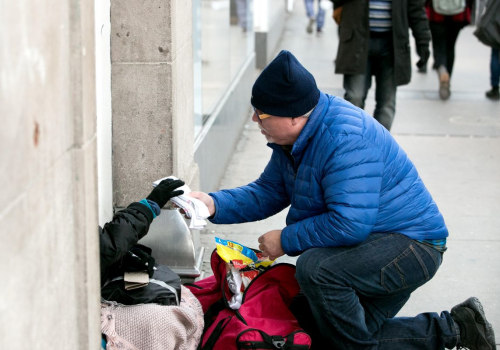
Homelessness is a pressing issue that affects millions of individuals and families across the United States. It is not merely a consequence of personal failure or poor choices; rather, it is a complex social phenomenon influenced by a myriad of factors. Understanding what causes homelessness requires a deep dive into the interplay of economic, social, and psychological elements that can lead to the loss of stable housing. This multifaceted nature of homelessness makes it essential to approach the topic with empathy and an open mind. At its core, homelessness can stem from various sources, including economic instability, lack of affordable housing, mental health challenges, and systemic inequalities.
For many, a sudden job loss or unexpected medical expenses can trigger a downward spiral into poverty, making it difficult to maintain housing. Additionally, societal issues such as discrimination and inadequate support systems further exacerbate the situation for vulnerable populations. The reality is that anyone can find themselves at risk of homelessness due to circumstances beyond their control. Moreover, the stigma surrounding homelessness often leads to misconceptions about those who experience it. Many people assume that homeless individuals are solely responsible for their plight, overlooking the broader societal structures that contribute to this crisis.
By fostering a better understanding of the root causes of homelessness, we can begin to dismantle these stereotypes and work towards effective solutions that address both immediate needs and long-term prevention strategies.
Economic Factors Leading to Homelessness
Economic instability is a significant driver of homelessness, affecting individuals and families across the United States. The interplay between poverty, unemployment, and the escalating cost of living creates a precarious environment where many find themselves on the brink of losing their homes. One of the most pressing issues is poverty. According to recent statistics, millions of Americans live below the poverty line, struggling to meet basic needs such as food, healthcare, and housing. This financial strain can lead to a cycle of debt and desperation, making it increasingly difficult for individuals to maintain stable housing.When unexpected expenses arise—such as medical emergencies or car repairs—those living paycheck to paycheck may find themselves unable to pay rent, leading to eviction.
Unemployment
is another critical factor contributing to homelessness. The job market can be unpredictable, and many individuals face challenges in securing stable employment due to various reasons, including lack of skills, discrimination, or economic downturns. When people lose their jobs, they often exhaust their savings quickly while searching for new employment. Without a steady income, paying rent becomes an insurmountable challenge.
The rising cost of living exacerbates these issues further.
In many urban areas, housing prices have skyrocketed, outpacing wage growth. This disparity forces low-income families into substandard living conditions or makes them vulnerable to eviction. As rents increase, more individuals are pushed into precarious situations where they may have to choose between paying for housing or other essential needs. Moreover, systemic issues such as inadequate access to affordable housing and insufficient social safety nets compound these economic challenges. Many communities lack resources that could help prevent homelessness, such as affordable healthcare and mental health services.
Without these supports, individuals facing economic hardships are at a higher risk of becoming homeless. In conclusion, understanding the economic factors that lead to homelessness is crucial for developing effective solutions. Addressing poverty, improving employment opportunities, and ensuring affordable housing can significantly reduce the number of individuals and families experiencing homelessness.
Mental Health Issues and Homelessness
The connection between mental health issues and homelessness is profound and multifaceted. Many individuals experiencing homelessness also grapple with various mental health disorders, which can significantly hinder their ability to maintain stable housing. Untreated mental health conditions often lead to a cascade of challenges that can culminate in job loss, social isolation, and ultimately, homelessness. One of the most common mental health disorders associated with homelessness is depression.Individuals suffering from depression may find it difficult to perform daily tasks, including maintaining employment. The overwhelming feelings of sadness and hopelessness can lead to absenteeism at work, resulting in job loss. Without a stable income, the risk of losing one’s home increases dramatically.
Anxiety disorders
also play a significant role in the cycle of homelessness. Those with anxiety may struggle with social interactions, making it challenging to seek help or connect with resources that could prevent homelessness.
The fear of judgment or rejection can lead to further isolation, exacerbating their mental health issues and pushing them further away from support systems. Moreover, conditions such as schizophrenia or bipolar disorder can severely impair an individual’s ability to function in society. These disorders often require ongoing treatment and medication, which can be difficult to access for those without stable housing. The lack of a safe environment can also hinder recovery, as individuals may face additional stressors that exacerbate their symptoms. Social stigma surrounding mental illness further complicates the situation. Many individuals experiencing mental health issues may feel ashamed or embarrassed to seek help, fearing societal judgment.
This stigma can prevent them from accessing necessary services, leading to a downward spiral that increases their risk of becoming homeless. In addition to these psychological factors, systemic issues such as inadequate access to mental health care contribute significantly to the problem. Many communities lack sufficient resources for mental health treatment, leaving individuals without the support they need. This gap in services can lead to untreated conditions that ultimately result in homelessness. Addressing the intersection of mental health and homelessness requires a comprehensive approach that includes increased access to mental health services, public education to reduce stigma, and supportive housing initiatives that cater specifically to those with mental health challenges. By understanding the complexities of this relationship, society can take meaningful steps toward preventing homelessness and supporting those affected by mental illness.
Substance Abuse as a Contributing Factor
Substance abuse is a complex issue that significantly contributes to the cycle of homelessness.For many individuals, addiction can be both a precursor to and a consequence of losing stable housing. Understanding this dual relationship is crucial in addressing the broader issue of homelessness. Many people who experience homelessness struggle with substance abuse, which can manifest in various forms, including alcohol dependency, drug addiction, or a combination of both. The reasons behind these addictions are often deeply rooted in personal trauma, mental health issues, or socioeconomic factors. For instance, individuals may turn to substances as a coping mechanism to deal with the pain of losing a job, experiencing domestic violence, or facing the death of a loved one. Moreover, the environment of homelessness can exacerbate existing substance abuse problems.
Living on the streets often leads to increased stress and anxiety, prompting individuals to seek relief through drugs or alcohol. This creates a vicious cycle: as addiction deepens, the ability to maintain employment diminishes, leading to further financial instability and ultimately resulting in homelessness. Additionally, the stigma surrounding homelessness and addiction can prevent individuals from seeking help. Many fear judgment or discrimination when attempting to access treatment services. This lack of support can perpetuate feelings of isolation and hopelessness, making it even more challenging for individuals to break free from their circumstances. Addressing substance abuse within the context of homelessness requires a multifaceted approach:
- Comprehensive Treatment Programs: These should integrate mental health services with substance abuse treatment to address the underlying issues contributing to addiction.
- Supportive Housing Initiatives: Providing stable housing can create a foundation for recovery, allowing individuals to focus on overcoming their addiction without the immediate stress of finding shelter.
- Community Outreach: Engaging with homeless populations through outreach programs can help build trust and encourage individuals to seek help for their substance abuse issues.
By understanding the intricate relationship between addiction and homelessness, society can better develop effective strategies to support those affected and work towards breaking this cycle.
Domestic Violence and Its Role in Homelessness
Domestic violence is a pervasive issue that significantly contributes to homelessness, particularly among women. Many individuals fleeing abusive relationships find themselves without a safe place to go, leading to a cycle of instability and vulnerability. The trauma associated with domestic violence can leave lasting scars, making it difficult for survivors to regain their footing. For many women, the decision to leave an abusive partner is fraught with fear and uncertainty. They may worry about their safety, the safety of their children, and the potential for financial ruin.Often, the abuser exerts control over finances, leaving the victim without access to funds or resources necessary for establishing a new home. This financial dependency can trap individuals in a cycle of abuse, as they feel they have no viable options for escape. Once they leave, survivors face numerous challenges in securing stable housing. Many shelters are at capacity, and those that are available may not provide the necessary support or safety features that survivors require. Additionally, the stigma surrounding homelessness can deter individuals from seeking help.
Survivors may fear judgment or feel ashamed of their situation, which can further isolate them. Moreover, the emotional toll of domestic violence can lead to mental health issues such as depression and anxiety. These conditions can hinder a survivor's ability to seek employment or maintain stable housing. The lack of a support system exacerbates these challenges; many survivors find themselves navigating this difficult journey alone. To address these issues effectively, it is crucial to create comprehensive support systems that cater specifically to survivors of domestic violence. This includes:
- Access to Safe Housing: Expanding the availability of shelters and transitional housing specifically designed for survivors.
- Financial Assistance: Providing financial resources or job training programs that empower survivors to achieve independence.
- Mental Health Services: Offering counseling and support groups that address the psychological impact of abuse.
- Community Awareness: Raising awareness about domestic violence and its link to homelessness can help reduce stigma and encourage more people to seek help.
By addressing the unique challenges faced by survivors, society can work towards breaking the cycle of abuse and homelessness, ultimately fostering a safer environment for all individuals.
Health Issues and Medical Expenses
Health issues can significantly contribute to a person's risk of becoming homeless, often creating a vicious cycle that is difficult to escape. When individuals face chronic illnesses or sudden medical emergencies, the financial burden of medical expenses can quickly escalate, leading to housing instability. Many people in the United States are one medical crisis away from financial ruin. A serious illness can result in exorbitant medical bills, even for those with insurance. High deductibles, co-pays, and out-of-pocket expenses can accumulate rapidly, leaving individuals unable to pay their rent or mortgage.In fact, studies have shown that medical debt is one of the leading causes of bankruptcy in the country, which can directly lead to homelessness. Moreover, the inability to work due to health problems exacerbates the situation. When individuals are forced to take time off work for treatment or recovery, their income diminishes, making it increasingly challenging to meet housing costs. This loss of income can be particularly devastating for those living paycheck to paycheck, where even a short period without wages can result in eviction. Access to healthcare plays a crucial role in preventing homelessness. Without adequate healthcare services, individuals may delay seeking treatment for health issues until they become severe and more costly.
Preventive care is essential; regular check-ups and early intervention can help manage chronic conditions and reduce the likelihood of emergency situations that lead to financial strain. Furthermore, mental health issues are often intertwined with physical health problems and can significantly impact a person's ability to maintain stable housing. Conditions such as depression or anxiety can hinder one's capacity to work or manage daily responsibilities, further complicating their financial situation. The stigma surrounding mental health often prevents individuals from seeking help, perpetuating their struggles. To address these challenges effectively, it is vital for communities and policymakers to prioritize access to affordable healthcare services. Initiatives that provide comprehensive health coverage and support for mental health can help mitigate the risk of homelessness caused by health-related financial burdens.
Additionally, programs that assist with medical expenses or offer financial counseling can empower individuals to navigate their health challenges without losing their homes. In conclusion, the intersection of health issues and housing stability is complex and multifaceted. By understanding how medical expenses contribute to homelessness, we can better advocate for solutions that ensure everyone has access to the healthcare they need while maintaining a safe and stable living environment.
Systemic Issues Contributing to Homelessness
Homelessness is not merely a personal failing; it is often the result of systemic issues that create barriers to stable housing. Understanding these systemic causes is crucial for addressing the root of the problem rather than just its symptoms. One of the most significant factors contributing to homelessness is the lack of affordable housing. In many urban areas, the cost of living has skyrocketed, while wages have stagnated.This disparity leaves low-income individuals and families struggling to find suitable housing. According to recent studies, a significant portion of the population spends more than 30% of their income on housing, which is considered a threshold for affordability. When unexpected expenses arise—such as medical emergencies or job loss—these individuals are often pushed into homelessness. Inadequate social services further exacerbate the issue. Many communities lack sufficient resources to support those at risk of becoming homeless.
Programs designed to assist with mental health, addiction recovery, and job training are often underfunded or inaccessible. Without these essential services, individuals may find themselves trapped in a cycle of poverty and instability. Discriminatory practices also play a role in perpetuating homelessness. Marginalized groups, including people of color and LGBTQ+ individuals, often face systemic barriers that limit their access to housing and employment opportunities. Discrimination in rental practices can lead to higher rates of eviction and homelessness among these populations.
Additionally, policies that fail to protect tenants from unjust evictions contribute to the growing crisis. Moreover, structural factors such as economic downturns and shifts in labor markets can lead to increased homelessness rates. For instance, during economic recessions, job losses can spike, leaving many without a safety net. The gig economy, while providing flexibility, often lacks benefits such as health insurance and paid leave, making workers vulnerable during tough times. Addressing these systemic issues requires comprehensive policy changes that prioritize affordable housing development, enhance social services, and combat discrimination. Only by tackling these root causes can we hope to reduce homelessness effectively and create a society where everyone has access to safe and stable housing.
The Impact of Trauma on Homelessness
Trauma plays a significant role in the journey toward homelessness, often acting as a catalyst for mental health issues and substance abuse.Many individuals who experience homelessness have faced traumatic events, particularly during their formative years. These experiences, known as Adverse Childhood Experiences (ACEs) , can include physical, emotional, or sexual abuse, neglect, and household dysfunction. The long-term effects of such trauma can manifest in various ways, leading to instability in housing and relationships. Research indicates that individuals with a history of ACEs are more likely to encounter challenges in adulthood, including difficulties in maintaining stable employment and housing. The emotional scars left by childhood trauma can lead to conditions such as Post-Traumatic Stress Disorder (PTSD) , anxiety, and depression.
These mental health issues can create barriers to securing and retaining stable housing, as individuals may struggle with daily functioning or face discrimination from landlords. Moreover, the impact of trauma does not end with childhood. Adults can also experience significant traumatic events—such as domestic violence, natural disasters, or the sudden loss of a loved one—that can precipitate a downward spiral into homelessness. For many, these events trigger coping mechanisms that may include substance abuse as a means to numb emotional pain. This cycle of addiction can further complicate their ability to find stable housing. Understanding the connection between trauma and homelessness is crucial for developing effective interventions.
Support systems that address both mental health and substance abuse are essential for helping individuals break free from the cycle of trauma and instability. Programs that provide counseling, therapy, and resources for recovery can empower those affected by trauma to regain control over their lives. In conclusion, the relationship between trauma and homelessness is complex and multifaceted. By recognizing the profound impact of traumatic experiences on individuals' lives, society can work towards creating more compassionate solutions that address the root causes of homelessness rather than merely treating its symptoms.
<strong>Conclusion: Addressing the Causes of Homelessness</strong>
Addressing the causes of homelessness requires a multifaceted approach that recognizes the complexity of the issue. It is essential to understand that homelessness is not merely a result of individual choices but is often rooted in systemic failures and personal crises. To effectively tackle homelessness, we must first acknowledge the various factors that contribute to it:- Poverty: A significant driver of homelessness is poverty, which limits access to basic needs such as housing, food, and healthcare.
Many individuals and families live paycheck to paycheck, making them vulnerable to eviction or foreclosure due to unexpected expenses.
- Lack of Affordable Housing: The rising cost of housing in many urban areas has outpaced wage growth, leading to a shortage of affordable options. This disparity forces low-income individuals into precarious living situations or onto the streets.
- Health Issues: Physical and mental health challenges can severely impact a person's ability to maintain stable housing. Chronic illnesses, disabilities, and untreated mental health conditions can lead to job loss and financial instability.
- Substance Abuse: While substance abuse can be both a cause and a consequence of homelessness, it often complicates an individual's ability to secure employment and housing. Support systems are crucial for those struggling with addiction.
- Domestic Violence: For many, fleeing an abusive relationship is a primary reason for becoming homeless.
Women and children are particularly vulnerable in these situations, often leaving with little more than the clothes on their backs.
- Increasing Access to Affordable Housing: Governments and organizations should prioritize the development of affordable housing units and provide rental assistance programs.
- Enhancing Support Services: Providing mental health services, addiction treatment programs, and job training can help individuals regain stability.
- Strengthening Social Safety Nets: Expanding access to healthcare, food assistance, and financial support can prevent individuals from falling into homelessness in the first place.