A Comprehensive Guide to Accessing Homeless Shelters in NYC
Learn how to access homeless shelters in NYC, including types of shelters, the admission process, and available resources for support.
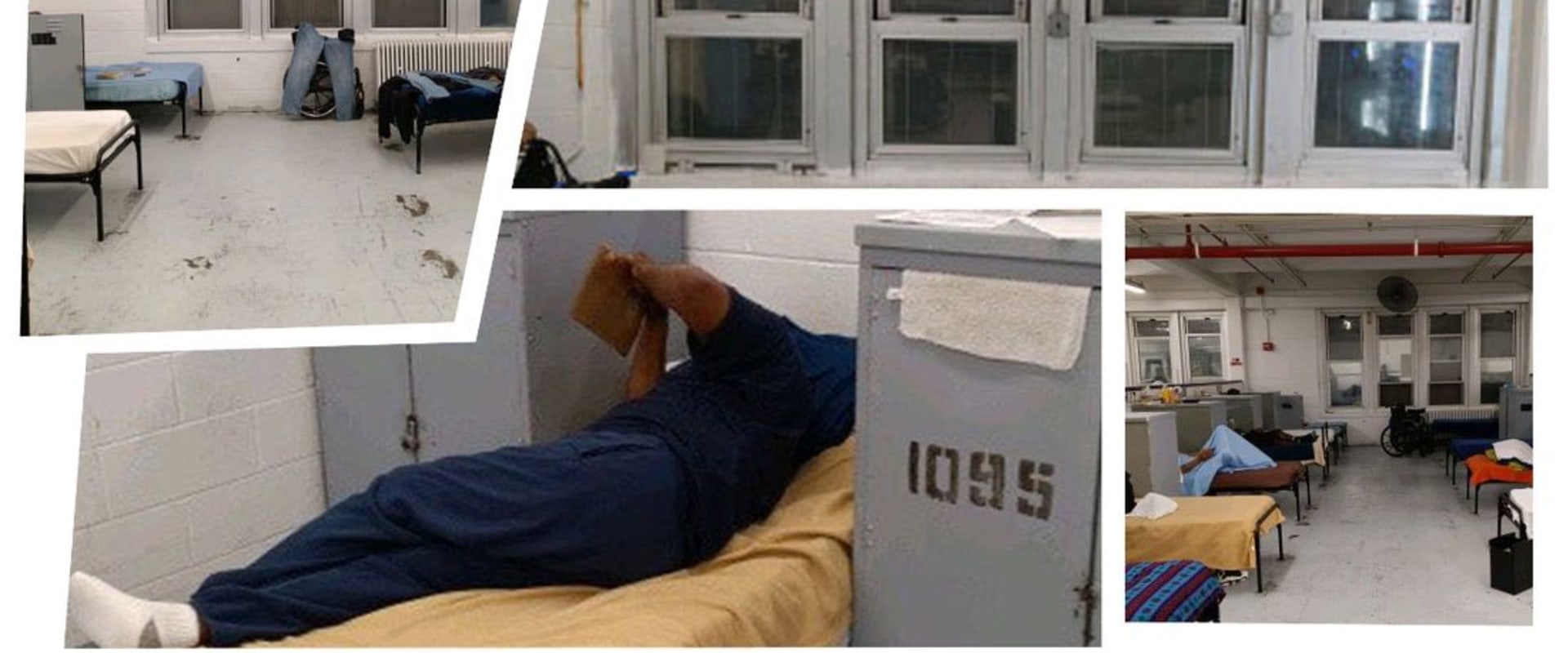
Homelessness in New York City is a complex and pressing issue that affects thousands of individuals and families each year. As one of the largest cities in the United States, NYC faces unique challenges that contribute to the growing number of people experiencing homelessness. According to recent statistics, over 60,000 individuals sleep in municipal shelters each night, with many more living on the streets or in temporary accommodations. This alarming figure highlights the urgent need for effective solutions and support systems to address the root causes of homelessness. The causes of homelessness are multifaceted and often interrelated. Homelessness in New York City is a complex and pressing issue that affects thousands of individuals and families each year. As one of the largest cities in the United States, NYC faces unique challenges that contribute to the growing number of people experiencing homelessness. According to recent statistics, over 60,000 individuals sleep in municipal shelters each night, with many more living on the streets or in temporary accommodations. This alarming figure highlights the urgent need for effective solutions and support systems to address the root causes of homelessness. The causes of homelessness are multifaceted and often interrelated.
Economic factors such as rising housing costs, stagnant wages, and unemployment play a significant role in pushing individuals and families into precarious living situations. Additionally, personal circumstances such as mental health issues, substance abuse, domestic violence, and lack of access to healthcare can exacerbate these challenges. Many people find themselves trapped in a cycle of poverty that makes it difficult to secure stable housing, leading to an increased reliance on shelters and other forms of temporary assistance. Understanding the landscape of homelessness in NYC is crucial for developing effective interventions. The city has implemented various programs aimed at providing shelter and support services, yet the demand often outstrips available resources.
Shelters serve as a vital lifeline for those in need, offering not just a place to sleep but also access to essential services such as counseling, job training, and healthcare. By addressing both immediate needs and long-term solutions, we can work towards reducing homelessness and fostering a more inclusive community.
Types of Shelters Available in NYC
New York City offers a variety of shelters designed to meet the diverse needs of its homeless population. Understanding the different types of shelters available is essential for individuals seeking assistance. Below, we explore the main categories of shelters: emergency shelters, family shelters, and single adult shelters.Emergency Shelters
Emergency shelters are typically the first point of contact for individuals experiencing homelessness.These facilities provide immediate, short-term housing for those in crisis. In NYC, emergency shelters operate 24/7 and are accessible to anyone in need. They offer basic necessities such as food, bedding, and hygiene facilities.
- Access: Individuals can access emergency shelters by calling 311 or visiting designated intake centers.
- Duration: Stays in emergency shelters are usually temporary, often lasting from a few days to several weeks, depending on individual circumstances.
- Support Services: Many emergency shelters also provide case management services to help residents find permanent housing solutions.
Family Shelters
Family shelters cater specifically to families with children who are experiencing homelessness. These shelters aim to keep families together while providing a safe environment.In NYC, family shelters are managed by the Office of Preventive Assistance and Temporary Housing (PATH).
- Eligibility: Families with children under 18 years old can apply for placement in these shelters.
- Resources: Family shelters often offer additional resources such as childcare services, educational programs for children, and family counseling.
- Stability Focus: The goal is to transition families into permanent housing as quickly as possible while addressing any barriers they may face.
Single Adult Shelters
Single adult shelters are designed for individuals who do not have children and require temporary housing. These facilities provide a communal living environment where single adults can find refuge from the streets.- Intake Process: Single adults must apply in person at designated intake centers, such as the 30th Street Admission Center in Manhattan.
- Support Services: Many single adult shelters offer programs aimed at job training, mental health support, and substance abuse counseling to help residents regain stability.
- Diverse Options: Some single adult shelters may also cater to specific populations, such as veterans or individuals with mental health challenges.
How to Access Emergency Shelters in NYC
Accessing emergency shelters in New York City can be a crucial step for individuals experiencing homelessness. The process is designed to be straightforward, but understanding the steps involved can help ensure that you receive the assistance you need promptly.1.Dialing 311
The first step in accessing emergency shelter is to call 311, New York City's official government hotline.
This service is available 24/7 and can provide you with essential information regarding shelter options and the application process. When you call, be prepared to answer a few questions about your current situation, including:
- Your name and contact information
- Your current living situation (e.g., sleeping on the street, in a car, etc.)
- Any specific needs or preferences (e.g., family shelter, single adult shelter)
2.Visiting an Admission Center
If you are a single adult seeking shelter, you will need to visit an admission center in person. The primary location for single men is the 30th Street Admission Center, located at 400-430 East 30th Street in Manhattan. For families without children, the Office of Preventive Assistance and Temporary Housing (PATH) is responsible for placements.
It’s important to arrive early, as shelters can fill up quickly.
3.What to Bring
When visiting an admission center, it’s advisable to bring any relevant documentation that may assist in your application process. This can include:
- ID or identification documents
- Proof of income or benefits (if applicable)
- Any medical records or documentation of special needs
4.Understanding the Process
Once at the admission center, staff will guide you through the intake process. This typically involves filling out forms and answering questions about your situation. The goal is to assess your needs and determine the most appropriate shelter placement for you. If you encounter difficulties during this process or have questions about your eligibility, do not hesitate to reach out to support services such as the Coalition's Crisis Intervention Program for the Homeless.
They can provide additional guidance and assistance. Remember, accessing emergency shelter is a vital step towards regaining stability and finding permanent housing solutions.
The Admission Process: What to Expect
Understanding the shelter admission process in New York City is crucial for anyone facing homelessness. The journey to secure a bed in a shelter can be daunting, but knowing what to expect can help ease some of the anxiety associated with it.Initial Contact
The first step in the admission process is to reach out to the city’s emergency shelter hotline by dialing 311. This hotline provides essential information about available shelters and the application process. It’s important to note that single men must apply in person at the designated admission center, while families and women can access different facilities.
Documentation Requirements
When preparing for your visit to the shelter, it’s vital to gather necessary documentation.
While specific requirements may vary by shelter, generally, you should bring:
- Identification (ID) such as a driver’s license or state ID
- Proof of residency (if applicable)
- Any relevant medical records or documentation of disabilities
- Income verification (if you have any income)
The Intake Process
Upon arrival at the shelter, you will undergo an intake assessment. This process typically involves:
- Personal Information Collection: Staff will ask for your name, contact information, and details about your current living situation.
- Assessment of Needs: You may be asked questions regarding your health, any special needs, and your reasons for seeking shelter.
- Background Check: Some shelters may conduct background checks to ensure safety for all residents.
Potential Wait Times
After completing the intake process, be prepared for potential wait times. Depending on the availability of beds and the demand for services, you may have to wait before being assigned a space. It’s advisable to remain patient and stay in contact with shelter staff during this time. In summary, understanding the shelter admission process in NYC can empower individuals facing homelessness.
By preparing necessary documentation and knowing what to expect during intake, applicants can navigate this challenging experience more effectively.
Resources and Support Services for Shelter Residents
Living in a shelter can be a challenging experience, but many facilities in New York City offer a variety of resources and support services designed to help residents transition to permanent housing and improve their overall well-being. Understanding these resources can empower individuals experiencing homelessness to take proactive steps toward stability. One of the most valuable resources available in shelters is access to educational programs. Many shelters partner with local organizations to provide classes that cover essential skills such as:- Literacy and Numeracy: Programs aimed at improving reading, writing, and basic math skills.
- Job Readiness Training: Workshops that prepare residents for the job market, including resume writing, interview techniques, and professional etiquette.
- Financial Literacy: Courses that teach budgeting, saving, and managing personal finances effectively.
- Life Skills Development: Training that focuses on essential daily living skills, such as cooking, cleaning, and time management.
- Vocational Training: Specialized training in fields such as construction, culinary arts, or healthcare that can lead to employment.
- Internship Opportunities: Partnerships with local businesses that allow residents to gain hands-on experience while earning a stipend.
- Career Counseling: One-on-one sessions with professionals who can help residents identify their strengths and find suitable job opportunities.
These services may include:
- Counseling Services: Individual or group therapy sessions to address emotional and psychological challenges.
- Addiction Support Programs: Resources for those struggling with substance abuse issues, including support groups and rehabilitation referrals.
- Health Services: On-site clinics or partnerships with local healthcare providers to ensure residents receive necessary medical care.
Navigating Challenges: What to Do If You Are Denied Shelter Access
Facing a denial for shelter access can be a daunting experience, especially when you are in urgent need of support. However, it’s important to remember that a denial is not the end of the road.There are steps you can take to appeal the decision and seek alternative assistance.
Understanding the Denial
First, it’s crucial to understand why your application for shelter was denied. Common reasons include:
- Insufficient documentation or identification
- Failure to meet eligibility criteria
- Previous history of non-compliance with shelter rules
- Inability to provide proof of homelessness
How to Appeal a Shelter Denial
If you believe that your denial was unjust, you have the right to appeal. Here’s how:
- Gather Documentation: Collect any relevant documents that support your case. This may include identification, proof of homelessness, or any correspondence related to your application.
-
Contact the Shelter: Reach out to the shelter where you applied.
Ask for clarification on the denial and express your intention to appeal.
- Submit Your Appeal: Follow the shelter's specific procedures for submitting an appeal. This may involve filling out a form or writing a letter detailing your situation and why you believe the denial should be overturned.
- Follow Up: After submitting your appeal, make sure to follow up regularly. Keep records of all communications.
Crisis Intervention Services
If you are struggling with the appeals process or need immediate assistance, consider reaching out to crisis intervention services. Organizations like the Coalition for the Homeless offer support and guidance for individuals facing barriers in accessing shelters.
You can contact their Crisis Intervention Program at 1-888-358-2384. They provide valuable resources and can help navigate the complexities of the shelter system.
Additional Resources
In addition to crisis intervention services, there are various community organizations and legal aid services that can assist you in understanding your rights and options. These resources can provide legal representation if necessary and help ensure that your voice is heard during the appeal process.
Remember, being denied shelter access is not a reflection of your worth or situation. By taking proactive steps and utilizing available resources, you can work towards securing safe housing and support.
Frequently Asked Questions About Homeless Shelters in NYC
When navigating the complex landscape of homeless shelters in New York City, many individuals have questions and concerns.Understanding the shelter system can help alleviate fears and misconceptions. Below are some frequently asked questions that can provide clarity on accessing shelters in NYC.
What are the eligibility criteria for accessing a homeless shelter in NYC?
Eligibility for homeless shelters in NYC varies based on several factors, including:- Age and Family Status: Shelters cater to different demographics, including single adults, families with children, and youth. Each group has specific shelters designed to meet their needs.
- Residency: Generally, you must be a resident of New York City to access city-funded shelters. Proof of residency may be required during the application process.
-
Homelessness Status: You must demonstrate that you are experiencing homelessness.
This can include living on the streets, in a car, or in temporary accommodations.
How do I apply for a shelter?
The application process for shelters can differ based on your situation:- Single Adults: If you are a single adult, you should visit the 30th Street Admission Center located at 400-430 East 30th Street in Manhattan. Here, you will undergo an intake process to determine your eligibility.
- Families with Children: Families seeking shelter must go through the Office of Preventive Assistance and Temporary Housing (PATH). This office is dedicated to helping families find emergency shelter.
What should I expect during the intake process?
The intake process can be daunting, but knowing what to expect can ease anxiety:- You will be asked a series of questions regarding your current living situation, family composition, and any special needs.
- Documentation may be required to verify your identity and residency status.
- The staff will assess your situation and guide you through available options for shelter placement.
Are there resources available if I face challenges during the application process?
If you encounter difficulties while applying for shelter or have questions about the system, consider reaching out to:- The Coalition's Crisis Intervention Program for the Homeless, which offers support and guidance.
- The emergency crisis intervention hotline at 1-888-358-2384 for immediate assistance.
Conclusion: Taking the First Step Towards Stability
As we conclude our exploration of the pathways to accessing shelters in New York City, it is essential to recognize that the journey towards stability begins with a single step. For individuals facing the harsh realities of homelessness, understanding the available resources and how to navigate them can be transformative. Throughout this article, we have highlighted various avenues for seeking shelter, including the critical role of the 311 hotline, which serves as a lifeline for those in need.By calling this number, individuals can gain immediate access to information about emergency shelters and the application process. It is crucial to remember that help is just a phone call away. For single men, visiting the 30th Street Admission Center in Manhattan is a vital step towards securing shelter. This center is specifically designed to assist those who find themselves without a home, providing not only a place to stay but also access to essential services that can aid in the transition back to permanent housing. Families with children have their own dedicated resources through the Office of Preventive Assistance and Temporary Housing (PATH). This office plays a pivotal role in ensuring that families receive the support they need during times of crisis.
If you are part of a family facing homelessness, reaching out to PATH can open doors to immediate assistance. Moreover, organizations like Nazareth Housing exemplify the holistic approach necessary for long-term stability. By addressing barriers to housing and offering educational programs, these shelters empower residents to build skills that facilitate their transition into permanent homes. The statistics speak volumes: residents at Nazareth Housing move into stable housing 26% faster than the city average. If you encounter challenges while seeking shelter or have questions about your eligibility, do not hesitate to contact the Coalition's Crisis Intervention Program for the Homeless. Their expertise can provide guidance and support during this difficult time. In summary, while the path may seem daunting, it is important to take that first step towards stability.
Whether through calling 311, visiting an admission center, or reaching out for assistance from dedicated organizations, help is available. Remember, you are not alone in this journey; there are resources and people ready to support you as you work towards reclaiming your life and finding a safe place to call home.