Comprehensive Guide to Resources for the Homeless in New York City
Explore essential resources and support for the homeless in NYC, including shelters, food services, and long-term solutions.
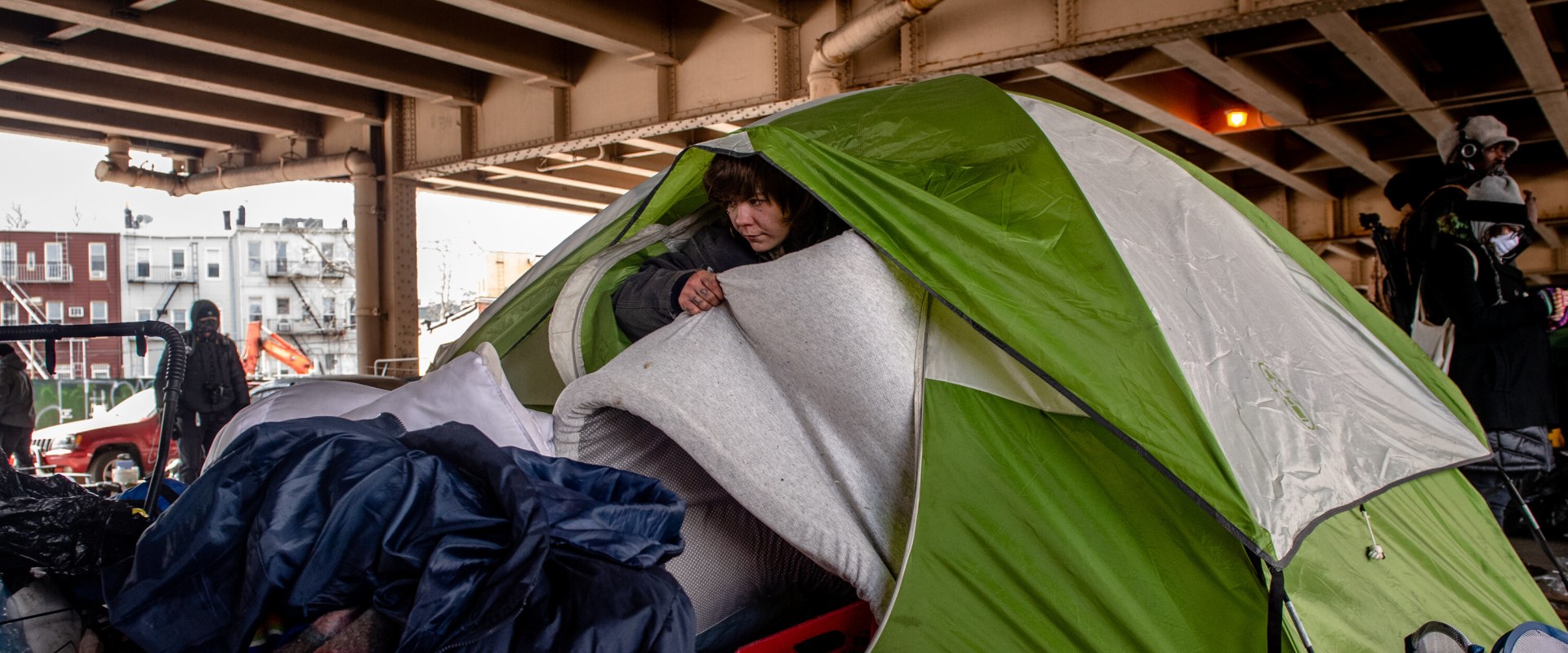
Homelessness in New York City is a complex and pressing issue that affects thousands of individuals and families every day. As one of the largest cities in the United States, NYC has a unique set of challenges that contribute to the growing number of homeless residents. According to recent statistics, over 60,000 people sleep in the city’s shelters each night, with many more living on the streets or in temporary accommodations. This alarming figure highlights the urgent need for effective solutions and support systems to address the root causes of homelessness. The causes of homelessness in NYC are multifaceted and often interrelated.
Economic factors such as rising housing costs, stagnant wages, and unemployment play a significant role in pushing individuals and families into precarious living situations. Additionally, social issues like mental health disorders, substance abuse, and domestic violence further exacerbate the crisis. Many homeless individuals face systemic barriers that prevent them from accessing stable housing, including discrimination and lack of affordable options. Understanding the landscape of homelessness in New York City is crucial for developing effective interventions. The city has made strides in recent years to provide resources and support for those experiencing homelessness, yet challenges remain.
Community organizations, government agencies, and volunteers work tirelessly to offer shelter, food, and essential services to those in need. By raising awareness about the realities of homelessness and advocating for comprehensive solutions, we can help create a more inclusive environment where everyone has access to safe and stable housing.
Immediate Resources for the Homeless
For individuals experiencing homelessness in New York City, immediate resources are essential for survival and stability. The city offers a variety of emergency shelters, food services, and crisis intervention centers designed to provide urgent assistance.Emergency Shelters
- Department of Homeless Services (DHS) : The DHS operates numerous emergency shelters across the five boroughs. These shelters are open 24/7 and provide a safe place to sleep, meals, and access to social services.
To find a nearby shelter, you can call 311 or visit the DHS website for more information.
- Coalition for the Homeless : This organization offers a comprehensive list of emergency shelters and resources available in NYC. Their hotline can guide you to the nearest shelter based on your location.
- Safe Haven Programs : For those who may not feel comfortable in traditional shelters, Safe Haven programs provide a more relaxed environment with fewer rules. These programs focus on helping individuals transition into permanent housing.
Food Services
- Food Pantries and Soup Kitchens : Many organizations, such as City Harvest and The Bowery Mission, offer free meals and groceries to those in need. These services are crucial for individuals who may not have access to regular meals.
- Mobile Food Trucks : Various nonprofits operate mobile food trucks that distribute meals throughout the city.
These trucks often visit areas with high concentrations of homeless individuals, ensuring that food is accessible.
Crisis Intervention Centers
- The NYC Crisis Text Line : If you are in immediate distress or need someone to talk to, you can text HOME to 741741. This service connects you with trained crisis counselors who can provide support and guidance.
- Street Outreach Teams : Various organizations deploy outreach teams that actively seek out homeless individuals on the streets. They offer immediate assistance, including food, blankets, and information about available shelters.
The support systems in place are designed to assist those in need during their most challenging times.
Long-Term Solutions and Support Services
Addressing homelessness in New York City requires more than just immediate shelter; it necessitates a comprehensive approach that includes long-term housing solutions, supportive services, and rehabilitation programs. These elements are crucial for helping individuals not only find a place to live but also regain their independence and stability.Supportive Housing Programs
Supportive housing combines affordable housing with support services to help individuals and families facing homelessness. This model is particularly effective for those with complex needs, such as mental health issues or substance abuse problems. In NYC, organizations like the Coalition for the Homeless and Breaking Ground provide access to supportive housing units that include on-site services like counseling, job training, and health care.
These programs aim to create a stable living environment where residents can thrive.
Rehabilitation Services
Rehabilitation programs play a vital role in addressing the root causes of homelessness. Many individuals experience homelessness due to addiction or mental health challenges. Organizations such as Project Renewal offer comprehensive rehabilitation services that include detoxification, counseling, and life skills training. By focusing on recovery, these programs help individuals rebuild their lives and reintegrate into society.
Job Training Initiatives
A key component of long-term solutions is employment.
Job training initiatives provide essential skills that empower homeless individuals to secure stable employment. Programs like The Doe Fund offer training in various fields, including construction and hospitality, while also providing support in resume writing and interview preparation. By equipping individuals with marketable skills, these initiatives significantly enhance their chances of achieving financial independence.
The Importance of Sustainable Support
Sustainable support is critical for overcoming homelessness. It is not enough to provide temporary shelter; ongoing assistance is necessary to ensure that individuals can maintain their housing and improve their quality of life.
This includes access to healthcare, mental health services, and community resources that foster social connections. In conclusion, addressing homelessness in NYC requires a multifaceted approach that includes long-term housing solutions, supportive services, and rehabilitation programs. By investing in these areas, we can create a more inclusive society where everyone has the opportunity to thrive.
Specialized Services for Vulnerable Populations
New York City is home to a diverse population, and within the homeless community, certain groups face unique challenges that require specialized services. Understanding these needs is crucial for effective support and intervention.Services for LGBT Homeless Youth
One of the most vulnerable populations among the homeless in NYC is LGBT youth. Many young people identify as LGBT and find themselves homeless due to family rejection or discrimination.Organizations like the Ali Forney Center provide essential services tailored specifically for these individuals. They offer:
- Safe Housing: The center provides transitional housing options where LGBT youth can live in a supportive environment.
- Medical Care: Access to healthcare services, including mental health support, is crucial for this demographic.
- Job Training and Education: Programs aimed at helping youth gain employment skills and educational opportunities are vital for long-term stability.
Women’s Shelters in NYC
Women experiencing homelessness often face different challenges than their male counterparts, including safety concerns and the need for family accommodations. NYC offers various shelters specifically designed for women. The Women’s Shelter Network provides:- Emergency Shelters: Safe spaces where women can find immediate refuge from violence or homelessness.
- Counseling Services: Emotional support and counseling are available to help women navigate their circumstances.
- Job Readiness Programs: These programs focus on empowering women through skills training and employment assistance.
Veterans Homeless Services in NYC
The plight of homeless veterans is a pressing issue in New York City.Many veterans struggle with mental health issues, including PTSD, which can lead to homelessness. Organizations like the Veterans Affairs (VA) New York Harbor Healthcare System provide comprehensive services such as:
- Shelter Programs: Dedicated shelters that cater specifically to veterans, ensuring they receive the respect and care they deserve.
- Mental Health Services: Access to counseling and therapy tailored to address the unique experiences of veterans.
- Employment Assistance: Programs designed to help veterans transition back into civilian life through job training and placement services.
How to Access Services: Step-by-Step Guide
Accessing services as a homeless individual in New York City can be a daunting task, but understanding the steps involved can make the process smoother. Here’s a step-by-step guide to help you navigate the available resources effectively.- Identify Your Needs: Before seeking assistance, take a moment to assess your situation. Are you in need of immediate shelter, food, medical care, or long-term housing solutions? Knowing your specific needs will help you target the right services.
- Contact 311: The first point of contact for homeless services in NYC is by calling 311.
This city service can provide information on shelters, food programs, and other resources tailored to your needs. Be prepared to explain your situation clearly.
- Visit a Homeless Services Intake Center: Once you have identified your needs, visit one of the city’s intake centers. These centers are open 24/7 and can provide immediate assistance. You can find locations by searching online or asking at local community centers.
- Gather Necessary Documentation: When visiting an intake center, bring any identification documents you have, such as a driver’s license or social security card.
If you don’t have these documents, staff can assist you in obtaining replacements.
- Complete an Intake Assessment: At the intake center, you will undergo an assessment process where staff will evaluate your situation. This may include questions about your background, current living conditions, and any health issues. Be honest and thorough in your responses to ensure you receive appropriate assistance.
- Explore Available Resources: After your assessment, staff will guide you through available resources based on your needs. This may include emergency shelters, transitional housing programs, job training services, or medical care options.
- Follow Up: After receiving initial assistance, it’s crucial to follow up on any referrals or programs suggested by the intake staff.
Keep track of appointments and maintain communication with service providers to ensure continued support.
- The Bowery Mission
- The Ali Forney Center
- Coalition for the Homeless
Volunteer Opportunities and Community Involvement
Volunteering is a powerful way to make a difference in the lives of those experiencing homelessness in New York City. By dedicating your time and skills, you can help provide essential services and support to individuals and families in need.Here are some impactful ways to get involved:
- Food Distribution: Many organizations, such as City Harvest and Food Bank for New York City, rely on volunteers to help distribute meals to the homeless. You can assist in packing food, serving meals at shelters, or even organizing food drives in your community.
- Shelter Support: Local shelters often need volunteers to help with various tasks, from administrative work to direct service roles like providing companionship or assistance during meal times. Organizations like The Bowery Mission and Coalition for the Homeless welcome volunteers to help create a welcoming environment for those seeking refuge.
- Clothing Drives: Collecting and distributing clothing is another vital way to support the homeless. You can organize clothing drives in your neighborhood or workplace, partnering with local shelters that can distribute these items directly to those in need.
- Advocacy and Awareness: Volunteering doesn’t always mean direct service.
You can also engage in advocacy work by joining organizations like Picture the Homeless, which empowers individuals experiencing homelessness to advocate for their rights and push for policy changes that address the root causes of homelessness.
- Skill-Based Volunteering: If you have specific skills—such as legal expertise, counseling, or job training—consider offering your services pro bono. Many organizations are looking for professionals who can provide workshops or one-on-one support to help individuals regain their independence.
- NYC Department of Homeless Services: This site provides information on various volunteer opportunities across the city.
- VolunteerMatch: A platform that connects volunteers with local organizations based on their interests and skills.
- Homeless Outreach Program: Offers resources and information on how you can get involved in helping the homeless community.
By volunteering your time and resources, you not only help those experiencing homelessness but also foster a sense of community and compassion that is essential for addressing this pressing issue.
Frequently Asked Questions (FAQs)
Homelessness in New York City is a pressing issue that raises many questions. Below are some frequently asked questions (FAQs) that can help clarify the resources available for those experiencing homelessness and how individuals can contribute to alleviating this crisis.What resources are available for homeless individuals in NYC?
New York City offers a variety of resources aimed at assisting homeless individuals. Key organizations include:- Department of Homeless Services (DHS): This city agency provides emergency shelter, outreach services, and various programs to help individuals transition into stable housing.
- Homebase: A prevention network with multiple locations across the five boroughs, Homebase helps families at risk of homelessness by offering case management and access to social services.
- The Bowery Mission: This organization provides meals, shelter, and recovery programs for those in need.
- The Ali Forney Center: Focused on LGBTQ+ youth, this center offers housing, medical care, and educational support.
How can I help homeless people in NYC?
If you're looking to make a difference, there are several ways to help:- Volunteer: Many organizations welcome volunteers to assist with meal services, shelter operations, and outreach programs.
- Donate: Financial contributions or in-kind donations such as clothing, hygiene products, and non-perishable food items can significantly impact those in need.
- Advocate: Raise awareness about homelessness issues in your community and support policies that promote affordable housing and social services.
What should I do if I see someone homeless on the street?
If you encounter someone who appears to be homeless, consider the following actions:- Engage respectfully: If you feel safe doing so, approach them with kindness and ask if they need assistance.
- Provide information: Share details about local shelters or food resources. You can call 311 for immediate assistance or information on services available nearby.
- Avoid giving cash: Instead of cash, consider offering food or directing them to local shelters where they can receive comprehensive support.
Conclusion: Taking Action Against Homelessness
As we reflect on the pressing issue of homelessness in New York City, it becomes clear that the challenges faced by individuals experiencing homelessness are multifaceted and require a comprehensive approach.Throughout this article, we have explored various resources available for those in need, including shelters, food services, and supportive housing programs. These organizations not only provide immediate assistance but also work towards long-term solutions that empower individuals to regain stability in their lives. It is essential to recognize that homelessness is not just a personal issue; it is a societal challenge that affects us all. By understanding the root causes of homelessness—such as economic instability, lack of affordable housing, and mental health issues—we can better advocate for systemic changes that address these problems at their core. For those who find themselves homeless or at risk of becoming homeless, reaching out for help is a crucial first step. Organizations like Homebase and the Department of Homeless Services offer vital support and guidance.
They can assist in navigating the complex landscape of social services, ensuring that individuals receive the help they need to secure housing and improve their overall well-being. Moreover, community involvement plays a significant role in combating homelessness. Whether through volunteering at local shelters, donating to food banks, or participating in advocacy efforts, every action counts. Engaging with organizations dedicated to helping the homeless not only provides immediate relief but also fosters a sense of community and solidarity. In conclusion, addressing homelessness requires both individual and collective action. By seeking help when needed and actively participating in community efforts, we can contribute to meaningful change.
Together, we can create a more inclusive society where everyone has access to safe housing and the resources necessary to thrive.