Understanding Donations: Will Homeless Shelters Accept Used Socks?
Discover if homeless shelters accept used socks and learn about essential donations that truly help those in need.
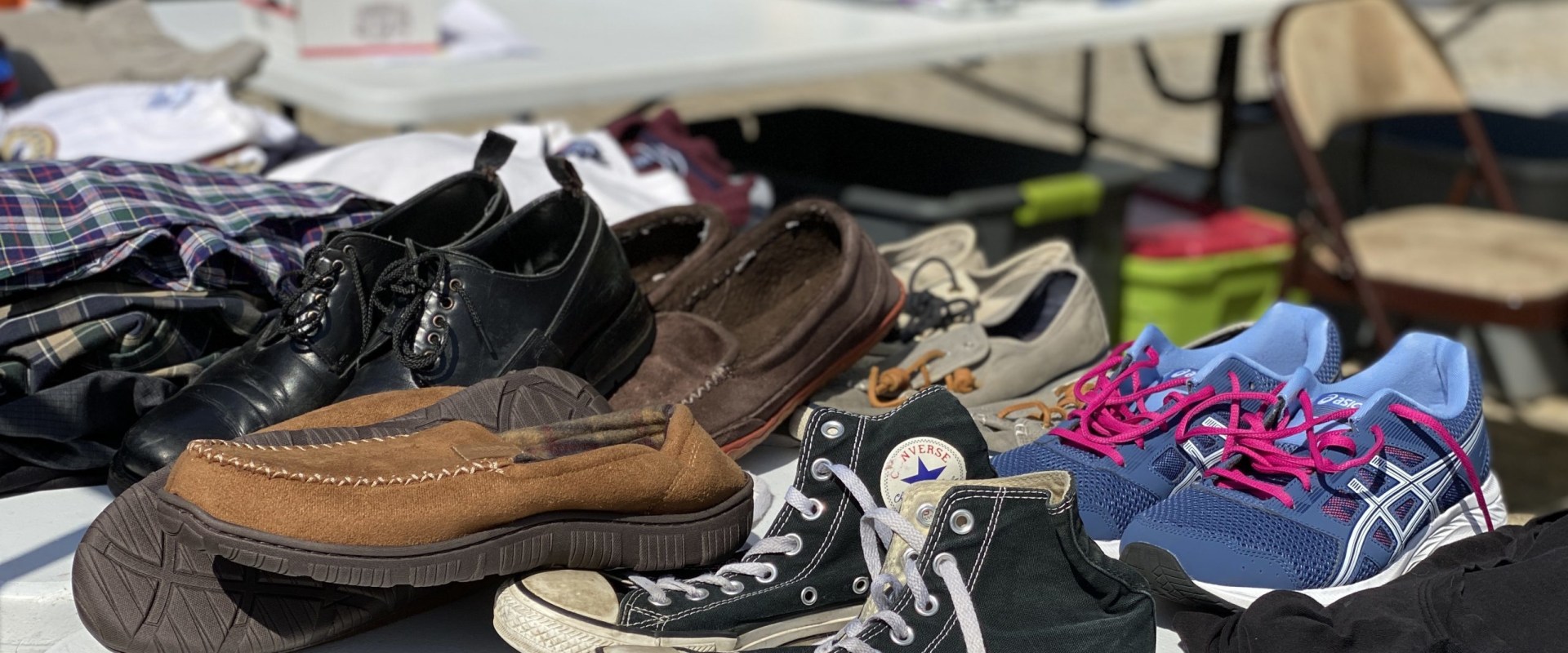
Homelessness is a pressing issue that affects millions of individuals and families across the United States. It is a complex social challenge that stems from various factors, including economic instability, lack of affordable housing, mental health issues, and substance abuse. As communities strive to address this crisis, the role of homeless shelters becomes increasingly vital. These shelters provide not only a safe haven for those in need but also essential resources that can help individuals regain their footing and reintegrate into society. One of the most significant ways that communities can support homeless individuals is through donations.
While many people are aware of the need for clothing and food, there are specific items that are often overlooked but are crucial for the well-being of those experiencing homelessness. Among these items, socks hold a unique importance. They may seem like a small necessity, but for someone living on the streets or in temporary accommodations, a clean pair of socks can make a world of difference. Unfortunately, many homeless shelters do not accept used socks due to hygiene concerns, which raises questions about how best to contribute to this pressing need. Understanding the donation needs of homeless shelters is essential for anyone looking to make a positive impact.
While it’s commendable to donate clothing and other items, it’s crucial to recognize what shelters truly require. Many organizations have specific guidelines regarding what they can accept, and knowing these details can help ensure that your contributions are both welcomed and useful. In this article, we will explore the importance of donations to homeless shelters, specifically focusing on whether used socks are an acceptable item and what alternatives might be more beneficial for those in need.
The Importance of Socks for the Homeless
Socks are often overlooked when it comes to donations for the homeless, yet they play a crucial role in the health and comfort of individuals living on the streets. For many, a simple pair of socks can make a significant difference in their daily lives.Here’s why socks are so important for those experiencing homelessness.
1.Protection from the Elements
For individuals without stable housing, exposure to harsh weather conditions is a daily reality. Socks provide essential protection against cold temperatures, rain, and snow. Wet feet can lead to serious health issues, including frostbite and trench foot, which can be debilitating and even life-threatening. A warm, dry pair of socks can help prevent these conditions, allowing individuals to maintain better overall health.
2.Comfort and Hygiene
Comfort is a basic necessity that many homeless individuals lack.
Wearing worn-out or damp socks can cause discomfort and lead to skin irritations or infections. Clean socks contribute to better foot hygiene, reducing the risk of fungal infections and other foot-related ailments. This is particularly important for those who may not have regular access to showers or clean facilities.
3.Psychological Well-Being
The psychological impact of having clean, comfortable clothing cannot be underestimated. For many homeless individuals, receiving new socks can provide a sense of dignity and self-worth.
It’s a small gesture that can uplift spirits and foster a sense of normalcy in an otherwise challenging situation.
4.A Basic Necessity
Socks are one of the most requested items in homeless shelters, yet they are often among the least donated. This discrepancy highlights a critical gap in meeting the basic needs of homeless individuals. Organizations that serve this population frequently report that they struggle to keep their sock supplies stocked, making it imperative for community members to step up and donate.
In conclusion, while many people think of donating clothing or food when considering how to help the homeless, it’s essential to remember that socks are a vital component of health and comfort. By donating new socks or supporting organizations that provide them, you can make a tangible difference in the lives of those in need.
Do Homeless Shelters Accept Used Socks?
When considering donations to homeless shelters, many people wonder about the acceptability of used socks.The reality is that most shelters do not accept used socks due to hygiene concerns and the potential for spreading germs. Instead, they prefer new, unopened packages of socks. This policy is in place to ensure the health and safety of individuals who rely on these shelters for basic necessities. Homeless shelters often face a significant shortage of essential items, and socks are among the most requested. According to various studies and reports, socks are frequently cited as one of the least donated yet most needed items in shelters.
This discrepancy highlights a critical gap in support for those experiencing homelessness. While it may seem like a small contribution, donating new socks can have a profound impact on the lives of individuals living in shelters. Warm, clean socks can help prevent foot-related health issues, which are common among those who spend extended periods outdoors or in unsanitary conditions. To better understand what shelters accept, it’s advisable to check with local organizations directly. Each shelter may have its own specific policies regarding donations. Here are some general guidelines:
- New Socks Only: Most shelters will only accept new socks that are still in their packaging.
- Seasonal Needs: During colder months, shelters may have an increased demand for thicker, warmer socks.
- Other Clothing Items: While used clothing is often accepted, it’s best to inquire about specific needs and restrictions.
- Hygiene Products: In addition to socks, many shelters appreciate donations of hygiene products such as soap, toothpaste, and wet wipes.
Organizations like Bombas have made it their mission to address this gap by donating a pair of socks for every pair sold. By supporting such initiatives, you can help ensure that individuals experiencing homelessness receive the essential items they require. In conclusion, while used socks are generally not accepted at homeless shelters due to hygiene policies, your contributions of new socks can significantly enhance the well-being of those in need. Always check with your local shelter for their specific donation guidelines and consider supporting initiatives that focus on providing clean clothing essentials.
Alternatives to Donating Used Socks
When considering how to support homeless shelters, it’s essential to recognize that not all items are equally beneficial. While the thought of donating used socks may come from a good place, there are more effective alternatives that can make a significant impact.Here are some suggestions for items that are often in high demand and can greatly benefit those in need.
1.Donating New Socks
New socks are one of the most requested items in homeless shelters. Unlike used socks, which may carry hygiene concerns, new socks provide a sense of dignity and comfort to individuals experiencing homelessness. They help keep feet warm and dry, which is crucial for overall health. Many shelters have specific guidelines against accepting used clothing due to sanitation issues, making new socks an ideal choice for donations.
2.Other Essential Items for Donation
- Underwear: Just like socks, new underwear is often in short supply at shelters.
Donating sealed packages of underwear can help ensure that individuals have access to clean and comfortable options.
- Hygiene Products: Items such as toothbrushes, toothpaste, soap, shampoo, and feminine hygiene products are always needed. These essentials contribute to personal hygiene and overall well-being.
- Warm Clothing: In colder months, warm jackets, hats, gloves, and scarves can be lifesavers for those living on the streets.
- Non-Perishable Food: Canned goods, granola bars, and other non-perishable food items can help shelters provide meals for their residents.
3.Best Practices for Donations
When donating items to homeless shelters, consider the following best practices:
- Contact the Shelter: Before making a donation, reach out to the shelter to inquire about their current needs. This ensures that your contributions will be useful and appreciated.
- Check Donation Guidelines: Many shelters have specific guidelines regarding what they can accept. Familiarize yourself with these rules to avoid any confusion.
- Package Items Properly: Ensure that all donated items are clean and in good condition.
For hygiene products and clothing, consider donating them in sealed packages whenever possible.
How to Find Local Shelters and Their Needs
Finding local homeless shelters and understanding their specific needs is crucial for making a meaningful impact in your community. Here are some effective strategies to locate these shelters and learn how you can best support them.1.Utilize Online Resources
- Start by searching online for local homeless shelters using keywords like "homeless shelters near me" or "shelters for the homeless in [your city]." Websites such as Homeless Shelter Directory provide comprehensive lists of shelters across the United States.
- Check social media platforms where many shelters maintain active profiles. They often post updates about their needs and upcoming events.
- Local government websites may also have resources or links to shelters and services available in your area.
2.Contact Shelters Directly
- Once you identify a few shelters, reach out to them directly via phone or email. This is the most effective way to understand their current needs, as these can change frequently based on the season or specific circumstances.
- Ask about their most needed items, whether it’s clothing, food, hygiene products, or other essentials.
Many shelters will appreciate your initiative and provide you with a list of items they are currently lacking.
3.Visit Local Community Centers
- Community centers often have information about local shelters and their needs. They may also host donation drives or events that support these organizations.
- Engaging with community leaders can provide insights into the most pressing issues facing the homeless population in your area.
4.Participate in Local Events
- Look for community events focused on supporting the homeless, such as food drives, clothing donations, or fundraising events. These gatherings can be excellent opportunities to connect with shelter representatives and learn more about their specific requirements.
- Volunteering at these events not only helps you understand the needs better but also allows you to meet others who are passionate about supporting the homeless community.
5.Stay Informed and Engaged
- Follow local news outlets for stories related to homelessness in your area. Understanding the broader context can help you identify what types of support are most needed.
- Consider joining local advocacy groups focused on homelessness.
These organizations often have established relationships with shelters and can provide valuable information on how to help effectively.
The Impact of Donations on Homeless Communities
Donations play a crucial role in supporting homeless communities, providing not just material goods but also a sense of dignity and hope. When individuals and organizations contribute items such as clothing, food, and hygiene products, they directly impact the lives of those experiencing homelessness. One of the most significant effects of donations is the immediate relief they offer. For many homeless individuals, access to basic necessities can be a daily struggle. Items like socks, which are often overlooked, can make a substantial difference.New socks provide warmth and comfort, helping to prevent health issues such as frostbite or infections that can arise from wet or worn-out footwear. This simple act of giving can enhance the quality of life for someone living on the streets. Moreover, donations foster a sense of community support. When local shelters receive contributions, it sends a message that the community cares about its most vulnerable members. This support can encourage individuals to seek help and access services that can lead to long-term stability.
Many shelters also use donations to create programs that empower homeless individuals, such as job training or mental health services. Additionally, the act of donating can inspire others to get involved. When people see their friends or neighbors contributing to local shelters, it can motivate them to do the same. This ripple effect can lead to increased awareness about homelessness and encourage more people to take action, whether through donations or volunteering their time. Furthermore, donations help shelters maintain their operations. Many shelters rely heavily on community support to function effectively.
Financial contributions and in-kind donations allow these organizations to provide essential services such as meals, medical care, and counseling. Without this support, many shelters would struggle to meet the needs of those they serve. In conclusion, the impact of donations on homeless communities is profound and multifaceted. By providing essential items and fostering community engagement, donations not only improve individual lives but also strengthen the fabric of society as a whole. Every contribution counts, no matter how small, and collectively they can lead to significant change in the fight against homelessness.
Frequently Asked Questions About Donating to Homeless Shelters
When considering donating to homeless shelters, many potential donors have questions about what items are most needed and how to ensure their contributions are helpful.Below are some frequently asked questions that can guide you in your donation efforts.
What types of items do homeless shelters accept?
Homeless shelters typically accept a variety of items, including:- Clothing: Gently used or new clothing, especially warm items like jackets, sweaters, and pants.
- Socks and Underwear: New socks and underwear are often in high demand, as they are essential for hygiene and comfort.
- Personal Care Products: Toiletries such as soap, shampoo, toothpaste, and feminine hygiene products.
- Non-Perishable Food: Canned goods, dry foods, and snacks that can be easily stored and distributed.
- Bedding: Blankets, sleeping bags, and pillows to provide warmth and comfort.
Will shelters accept used socks?
While it may seem like a good idea to donate used socks, most homeless shelters do not accept them due to hygiene concerns. Instead, they prefer new socks because they provide a clean and safe option for individuals experiencing homelessness. Donating new socks can significantly impact the lives of those in need.How can I find out what my local shelter needs?
The best way to understand the specific needs of your local shelter is to reach out directly. You can:- Visit the shelter's website for a list of accepted items.
- Call the shelter to ask about their current needs.
- Stop by in person to speak with staff about what would be most beneficial.
Are there any items I should avoid donating?
Yes, there are certain items that shelters typically do not accept.These include:
- Used or damaged clothing: Items that are torn or heavily worn may not be suitable for donation.
- Perishable food: Fresh food items can spoil quickly and are often not accepted.
- Items with strong odors: Anything that has a strong smell may be rejected due to hygiene issues.
Conclusion: Making a Difference Through Thoughtful Donations
In conclusion, the act of donating to homeless shelters is not just about giving away items; it is about making a meaningful impact in the lives of those who are less fortunate. As we have explored, the need for specific items, particularly new socks and underwear, is critical in shelters across the country. These items may seem small and insignificant to many, but for individuals experiencing homelessness, they can provide comfort and dignity. When considering what to donate, it is essential to be thoughtful and informed. Many shelters do not accept used socks due to hygiene concerns, which highlights the importance of providing new items.By focusing on what shelters truly need, donors can ensure that their contributions are both useful and appreciated. This approach not only helps those in need but also fosters a sense of community and support. Moreover, reaching out to local shelters can provide valuable insights into their current needs. Each organization may have different requirements based on their clientele and available resources. By contacting them directly—whether through their website, a phone call, or an in-person visit—donors can tailor their contributions to meet specific demands. Additionally, it is crucial to remember that donations extend beyond clothing.
Items such as hygiene products, non-perishable food, and even financial contributions can significantly enhance the services that shelters provide. Engaging with local initiatives or community events aimed at supporting homeless individuals can also amplify the impact of your efforts. Ultimately, thoughtful donations can create a ripple effect of kindness and support within our communities. By understanding the unique challenges faced by homeless individuals and responding with compassion and care, we can help restore hope and dignity to those who need it most. Every small act counts, and together we can make a substantial difference in the lives of our neighbors experiencing homelessness.