Understanding Where the Homeless Sleep: A Comprehensive Guide
Explore the various places where homeless individuals find shelter and the challenges they face in their daily lives.

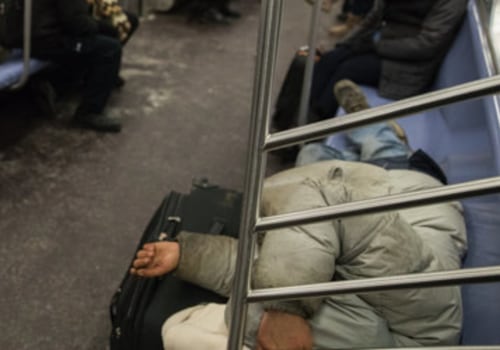
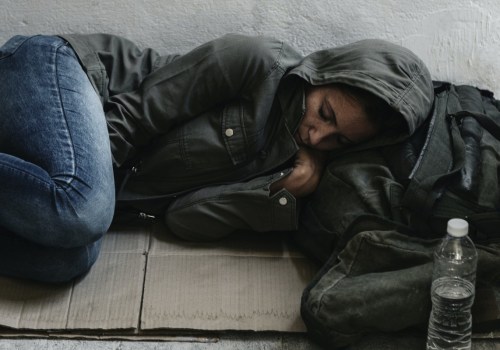
Homelessness is a multifaceted issue that affects millions of individuals and families across the United States. It is not merely a lack of shelter; it encompasses a range of social, economic, and personal challenges that lead people to find refuge in various unconventional places. Understanding where homeless individuals sleep is crucial to grasping the broader implications of homelessness and the urgent need for effective solutions. Many homeless people resort to sleeping in public spaces such as parks, sidewalks, and under bridges, where they often face harsh weather conditions and safety concerns. These locations, while providing some level of shelter, expose them to numerous risks, including theft, violence, and health issues.
Others may seek temporary refuge in abandoned buildings or storage units, which offer a semblance of security but are far from ideal living conditions. These makeshift arrangements highlight the desperate circumstances that many homeless individuals endure daily. In addition to these outdoor options, some homeless individuals turn to friends or family for support, engaging in what is known as "couch surfing." This practice allows them to avoid the dangers of sleeping on the streets but often leads to instability as they move from one temporary location to another. Furthermore, shelters provide a more structured environment for those in need; however, they can be overcrowded and lack privacy, making them less appealing for some. The complexity of these sleeping arrangements underscores the urgent need for comprehensive strategies that address not only immediate shelter needs but also the underlying causes of homelessness. As we delve deeper into this topic, it becomes evident that homelessness is not just about where people sleep; it is about understanding their stories, struggles, and the systemic issues that contribute to their plight. Others may seek temporary refuge in abandoned buildings or storage units, which offer a semblance of security but are far from ideal living conditions. These makeshift arrangements highlight the desperate circumstances that many homeless individuals endure daily. In addition to these outdoor options, some homeless individuals turn to friends or family for support, engaging in what is known as "couch surfing." This practice allows them to avoid the dangers of sleeping on the streets but often leads to instability as they move from one temporary location to another. Furthermore, shelters provide a more structured environment for those in need; however, they can be overcrowded and lack privacy, making them less appealing for some. The complexity of these sleeping arrangements underscores the urgent need for comprehensive strategies that address not only immediate shelter needs but also the underlying causes of homelessness. As we delve deeper into this topic, it becomes evident that homelessness is not just about where people sleep; it is about understanding their stories, struggles, and the systemic issues that contribute to their plight.
By exploring the various sleeping arrangements utilized by homeless individuals, we can better appreciate the challenges they face and advocate for more effective solutions that prioritize their dignity and well-being.
Common Places Where the Homeless Sleep
For many individuals experiencing homelessness, finding a safe and secure place to sleep is a daily struggle. The locations where they seek refuge can vary widely, each presenting its own set of challenges and risks. Here are some of the most common places where the homeless sleep:-
Shelters: Homeless shelters are often the first option for those seeking a safe place to sleep. These facilities provide temporary accommodation, meals, and sometimes additional services like counseling and job training.
However, shelters can be overcrowded, and the environment may not always feel safe or welcoming. Many individuals report feeling uncomfortable due to the lack of privacy and the presence of other residents who may be dealing with their own struggles.
-
Parks: Public parks are another common sleeping spot for homeless individuals. They offer open spaces where people can rest without the fear of being moved along by authorities. However, sleeping in parks comes with its own risks, including exposure to the elements and potential harassment from passersby or law enforcement.
Additionally, parks may not provide adequate safety from theft or violence.
- Vehicles: Some homeless individuals choose to sleep in their cars or vans. This option provides a sense of privacy and security that is often lacking in shelters or public spaces. However, parking regulations can make it difficult to find a safe place to rest without drawing attention from law enforcement. Moreover, living in a vehicle can lead to health issues due to cramped conditions and limited access to sanitation facilities.
-
Abandoned Buildings: Many homeless people seek shelter in abandoned buildings or warehouses.
These locations can offer protection from the weather but come with significant dangers, such as structural instability and exposure to criminal activity. Additionally, finding these spaces often requires knowledge of the area and can lead to conflicts with property owners or law enforcement.
- Couches and Temporary Housing: Some individuals rely on "couch surfing," where they stay temporarily with friends or family members. While this can provide a more stable environment than sleeping on the streets, it is often not a long-term solution. The constant need to move from one place to another can create feelings of instability and anxiety.
While shelters offer some support, they are not always accessible or comfortable for everyone. Public spaces like parks provide temporary relief but come with their own set of challenges. Understanding these various sleeping locations is crucial for addressing the broader issue of homelessness and finding effective solutions.
The Role of Shelters in Providing Safety
Homeless shelters play a crucial role in providing safety and support for individuals experiencing homelessness. These facilities serve as a refuge from the dangers of living on the streets, offering a structured environment where individuals can find temporary relief from their circumstances. There are various types of shelters available, each designed to meet the diverse needs of the homeless population.Some of the most common types include:
- Emergency Shelters: These are short-term accommodations that provide immediate relief for those in crisis. They often operate on a first-come, first-served basis and may have limited resources.
- Transitional Shelters: These facilities offer longer-term housing solutions, typically for several months. They often include support services aimed at helping residents secure permanent housing.
- Family Shelters: Designed specifically for families, these shelters provide a safe space for parents and children to stay together while they seek more stable housing options.
- Specialized Shelters: Some shelters cater to specific populations, such as veterans, women fleeing domestic violence, or individuals with mental health issues. These facilities often provide tailored support services to address unique challenges.
Shelters often provide access to essential services such as meals, hygiene facilities, and healthcare. Many also offer case management services that help individuals navigate the complex systems of social services and housing assistance. However, while shelters can provide a safe haven, they are not without limitations. Overcrowding is a common issue, leading to uncomfortable living conditions and increased tension among residents. Additionally, some individuals may feel unsafe due to the presence of others who may be struggling with substance abuse or mental health issues. Despite these challenges, shelters remain a vital resource for many homeless individuals.
They not only offer a place to sleep but also foster a sense of community and belonging among residents. For many, the emotional support found within these walls can be just as important as the physical safety they provide. In conclusion, while homeless shelters are not a permanent solution to homelessness, they play an essential role in providing immediate safety and support. Understanding the different types of shelters available and their respective benefits can help individuals make informed decisions about their next steps toward stability.
Hidden Homelessness: Couch Surfing and Temporary Solutions
Hidden homelessness is a term that encompasses a range of living situations that often go unnoticed in official statistics. One of the most prevalent forms of hidden homelessness is couch surfing, where individuals or families temporarily stay with friends or relatives instead of having a permanent residence.This arrangement, while providing some level of shelter, can be precarious and unstable. Many couch surfers find themselves in a cycle of moving from one friend’s home to another, which can lead to feelings of insecurity and anxiety. The lack of a stable living environment can have significant impacts on mental health, making it difficult for individuals to maintain employment or pursue education. Furthermore, couch surfing often does not qualify individuals for traditional homeless services, as they are not considered "homeless" in the conventional sense. In addition to couch surfing, there are other forms of temporary housing solutions that contribute to hidden homelessness. These include:
- Staying in garages or sheds: Some individuals may find refuge in unused spaces like garages or garden sheds, which can provide shelter but lack basic amenities.
- Living in motels: Families may opt for motels as a temporary solution, but these can be costly and often do not provide the stability needed for long-term recovery.
- Utilizing storage units: Some people resort to living in storage units, which offer a dry place to sleep but are not designed for habitation and can pose safety risks.
Because couch surfers and others in similar situations are often uncounted in official homeless statistics, funding and resources may not be allocated effectively to address their needs. This lack of visibility can perpetuate the cycle of homelessness, as those who are hidden may struggle to access necessary services such as healthcare, job training, and permanent housing solutions. Addressing hidden homelessness requires a multifaceted approach that includes raising awareness about the issue and expanding support services to reach those who are currently overlooked. By recognizing the various forms of temporary housing arrangements and their impact on individuals and families, communities can work towards more inclusive solutions that help break the cycle of homelessness.
Seasonal Challenges: Winter and Extreme Weather Conditions
As winter approaches, the challenges faced by the homeless population intensify significantly. The drop in temperatures can be life-threatening, making it crucial for communities to respond effectively to protect those without shelter.During this season, many individuals who are homeless find themselves at an increased risk of hypothermia and frostbite, conditions that can lead to severe health complications or even death. In response to these dangers, cities often implement emergency measures to provide immediate relief. For instance, many local governments activate cold weather shelters when temperatures plummet. These shelters offer a warm place to sleep and access to basic necessities such as food and hygiene facilities. However, the availability of these resources can vary widely depending on the location and the funding allocated to homeless services. Community organizations also play a vital role in addressing the needs of the homeless during winter months.
Many non-profits organize outreach programs that distribute warm clothing, blankets, and hot meals to those living on the streets. Volunteers often brave the cold to ensure that vulnerable individuals are aware of available resources and can reach them safely. Moreover, some cities have established warming centers , which serve as temporary refuge during extreme weather events. These centers are typically open during severe cold spells and provide a safe environment for individuals who may not qualify for traditional shelters due to various barriers such as substance use or mental health issues. Despite these efforts, many homeless individuals remain hesitant to seek shelter due to past negative experiences or a lack of trust in the system. This reluctance highlights the need for ongoing improvements in shelter conditions and services.
Ensuring that shelters are welcoming and accommodating can encourage more people to utilize these critical resources during harsh winter months. In addition to immediate shelter solutions, long-term strategies must be developed to address the root causes of homelessness. This includes increasing affordable housing options and providing comprehensive support services that address mental health and addiction issues. By tackling these underlying problems, communities can work towards reducing homelessness overall, especially during the most challenging seasons.
Public Spaces: Parks, Beaches, and Urban Areas
Public spaces such as parks, beaches, and urban areas have become essential sleeping spots for many individuals experiencing homelessness. These locations offer a semblance of safety and shelter, albeit temporary and often precarious.Understanding the dynamics of these environments can shed light on the broader societal attitudes towards homelessness.
Parks as Sleeping Areas
Parks are particularly appealing to those without homes for several reasons:
- Accessibility: Parks are public spaces that are generally open to everyone, providing a free option for those in need of a place to rest.
- Natural Cover: Trees and benches can offer some protection from the elements, making them more comfortable than sleeping on concrete or in open areas.
- Community Presence: Many parks have a sense of community, where individuals can find companionship among others in similar situations.
Beaches and Urban Areas
Beaches also serve as a refuge for some homeless individuals, particularly in warmer climates. The sound of the waves and the open space can provide a sense of peace that is hard to find elsewhere.
However, like parks, beaches come with their own set of risks, including exposure to harsh weather conditions and potential safety concerns from both wildlife and other beachgoers.
Urban areas present a mixed bag of opportunities and challenges. While they offer numerous places to sleep—such as doorways, bus stops, and abandoned buildings—these spots often lack safety and comfort. The hustle and bustle of city life can be overwhelming, making it difficult for individuals to find a quiet place to rest.
Societal Attitudes
The reliance on public spaces for sleeping reflects broader societal attitudes towards homelessness. Many people view these areas as temporary solutions rather than long-term answers to the crisis.
This perception can lead to stigmatization and further marginalization of homeless individuals. As communities grapple with the complexities of urban homelessness, it becomes increasingly important to advocate for more inclusive solutions that address the root causes of homelessness while providing safe spaces for those in need.
Innovative Solutions: Navigation Centers and Support Services
As the issue of homelessness continues to grow in urban areas, innovative solutions are emerging to address the complex needs of those affected. One such approach is the establishment of Navigation Centers , which provide a holistic model for assisting homeless individuals and families. Unlike traditional shelters that primarily offer a place to sleep, Navigation Centers focus on comprehensive support services that aim to facilitate long-term stability. Navigation Centers serve as a one-stop resource for the homeless, offering not only shelter but also access to essential services such as:- Case Management: Trained professionals work with individuals to create personalized plans that address their unique circumstances, including mental health support, substance abuse treatment, and job training.
- Health Services: Many Navigation Centers provide on-site medical care, including physical health check-ups and mental health counseling, ensuring that residents can receive necessary treatment without barriers.
- Housing Assistance: These centers often help individuals navigate the housing market, providing resources and support to secure permanent housing solutions.
- Life Skills Training: Workshops and classes are offered to teach essential skills such as budgeting, cooking, and job interviewing, empowering individuals to regain independence.
By addressing the root causes of homelessness through tailored support services, these centers aim to reduce the likelihood of individuals returning to the streets. In addition to Navigation Centers, various support services play a crucial role in combating homelessness. Community organizations and non-profits often collaborate with local governments to offer:
- Emergency Shelters: Providing immediate refuge for those in crisis situations.
- Transitional Housing: Offering temporary housing solutions while individuals work towards permanent placements.
- Job Placement Programs: Connecting homeless individuals with employment opportunities and vocational training.
Community Involvement: How You Can Help the Homeless
Addressing homelessness is a complex issue that requires the collective effort of individuals, organizations, and communities.By getting involved, you can make a significant impact on the lives of those experiencing homelessness. Here are some actionable steps you can take to help:
- Volunteer Your Time: Many local shelters and organizations rely on volunteers to provide essential services. Whether it’s serving meals, organizing clothing drives, or offering administrative support, your time can make a difference. Reach out to local shelters or food banks to find out how you can help.
-
Donate Resources: Consider donating items that are in high demand among the homeless population.
This can include clothing, blankets, hygiene products, and non-perishable food items. Many organizations have specific needs, so check their websites or call them to see what they require most.
- Advocate for Policy Change: Engage with local government representatives to advocate for policies that support affordable housing and mental health services. Attend town hall meetings or join advocacy groups focused on homelessness to amplify your voice.
-
Educate Yourself and Others: Understanding the root causes of homelessness is crucial. Read articles, watch documentaries, and attend workshops to gain insight into the challenges faced by homeless individuals.
Share this knowledge with friends and family to raise awareness.
- Support Local Initiatives: Many communities have programs aimed at reducing homelessness. Look for initiatives that provide job training, mental health support, or housing assistance. Your financial contributions or volunteer efforts can help sustain these vital programs.
Remember that every small action counts; whether it’s a simple conversation with someone experiencing homelessness or a larger commitment of time and resources, your involvement can foster change. Ultimately, addressing homelessness requires compassion and commitment from all of us. By actively participating in community efforts, you not only help those in need but also contribute to building a more inclusive society where everyone has access to safe and stable housing.
Conclusion: The Need for Comprehensive Solutions to Homelessness
As we reflect on the various places where homeless individuals find shelter, it becomes clear that the issue of homelessness is multifaceted and deeply rooted in societal structures. From makeshift accommodations in parks and under bridges to the hidden struggles of those couch surfing with friends or family, the reality of homelessness is often invisible to the broader community. Understanding these dynamics is crucial for developing effective solutions. Throughout this article, we have explored the diverse living situations of homeless individuals, highlighting that many do not fit the traditional image of homelessness.This includes families living in motels, individuals utilizing storage units for safety, and those who seek refuge in abandoned buildings. Each scenario presents unique challenges and underscores the urgent need for comprehensive support systems.
Comprehensive solutions
must address not only immediate shelter needs but also the underlying causes of homelessness. This includes access to affordable housing, mental health services, job training programs, and substance abuse treatment. By tackling these root issues, we can create a more sustainable approach to ending homelessness.
Moreover, community involvement plays a vital role in addressing this crisis.
Local organizations, churches, and volunteers can provide essential resources and support to those in need. Initiatives like food drives, clothing donations, and outreach programs can make a significant difference in the lives of homeless individuals. In conclusion, recognizing where homeless people sleep is just the beginning of understanding their plight. It is imperative that we advocate for policies that prioritize affordable housing, enhance social services, and foster community engagement. Only through a collective effort can we hope to create lasting change and ensure that everyone has a safe place to call home.