Understanding Bedding Donations: Do Homeless Shelters Accept Bedding?
Learn about the importance of donating bedding to homeless shelters and what items are needed to support those in need.
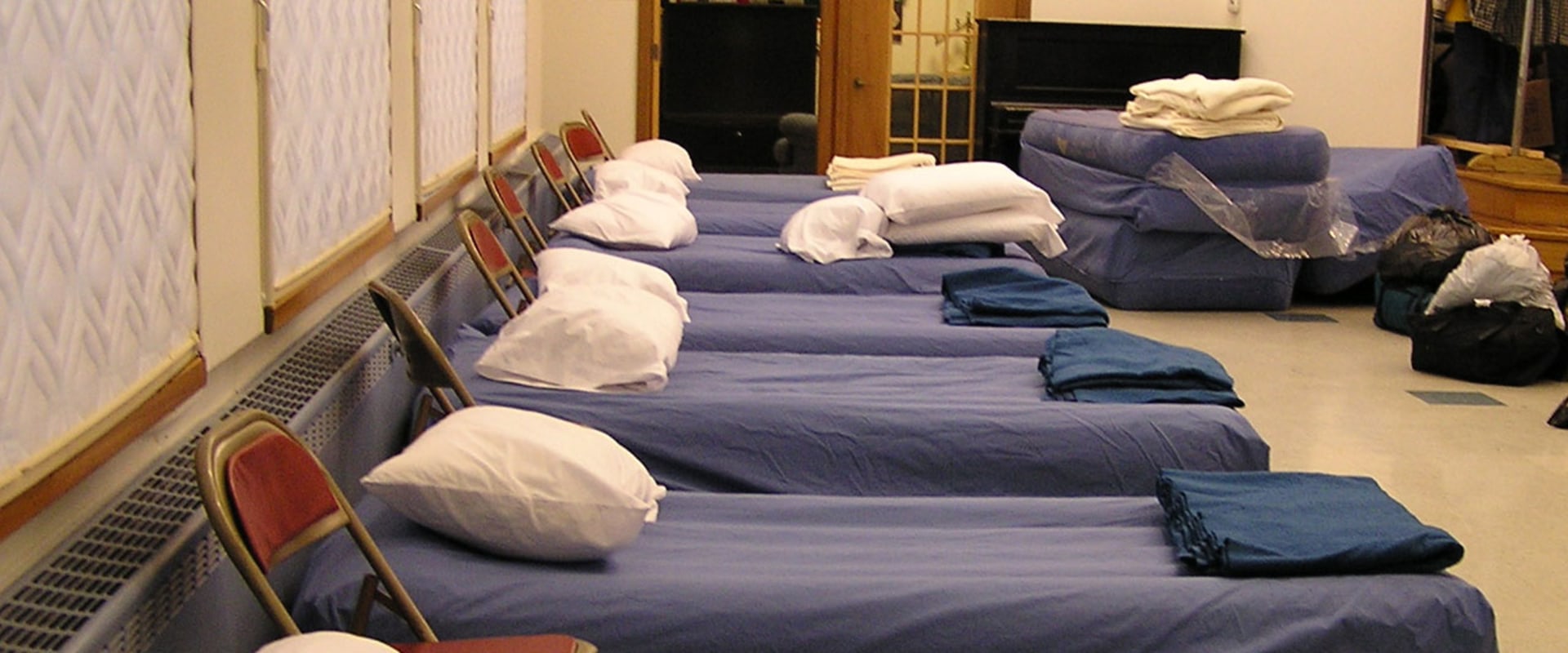
Homeless shelters play a vital role in providing temporary refuge for individuals and families facing homelessness. These facilities not only offer a safe place to sleep but also serve as a crucial support system for those in need. One of the most essential aspects of shelter operations is the provision of bedding, which includes items such as blankets, sheets, and towels. The demand for these items is significant, especially during colder months when the need for warmth and comfort becomes even more pressing. When considering how to assist homeless shelters, many people may wonder what types of donations are most beneficial.
Bedding donations are particularly important because they directly impact the quality of life for shelter residents. Clean and comfortable bedding can make a world of difference, providing not just physical warmth but also a sense of dignity and care. Shelters often rely on community support to meet these needs, making it crucial for potential donors to understand what items are accepted and how they can contribute effectively. In addition to bedding, shelters typically accept a variety of other essential items that help maintain a welcoming environment. These can include clothing, personal hygiene products, and non-perishable food items.
However, bedding remains a cornerstone of what shelters require to function optimally. By donating bedding, you are not only helping to keep individuals warm but also supporting the overall mission of these organizations to provide a safe haven for those experiencing homelessness.
The Role of Homeless Shelters in the Community
Homeless shelters play a crucial role in the fabric of our communities, serving as a lifeline for individuals and families facing homelessness. These facilities provide more than just a roof over one’s head; they offer a comprehensive range of services designed to support and uplift those in need. One of the primary functions of homeless shelters is to provide temporary housing. This safe haven allows individuals to escape the harsh realities of living on the streets, offering them a place to rest and recuperate.Many shelters operate on a first-come, first-served basis, ensuring that as many people as possible can find refuge during difficult times. In addition to shelter, these facilities often provide nutritious meals. Food insecurity is a significant issue for many homeless individuals, and shelters strive to meet this need by offering balanced meals. Some shelters partner with local food banks and community organizations to ensure that they can serve healthy options, which is vital for the physical and mental well-being of their residents. Beyond housing and food, homeless shelters frequently offer essential services such as:
- Case Management: Many shelters employ social workers or case managers who assist residents in navigating available resources, including job training programs, mental health services, and substance abuse counseling.
- Health Services: Some shelters provide access to medical care, including routine check-ups and vaccinations, which are critical for maintaining health among vulnerable populations.
- Life Skills Training: Workshops on budgeting, cooking, and job readiness help equip residents with the skills necessary for independent living.
- Support Groups: Emotional support is vital; many shelters offer group therapy sessions or peer support groups to help individuals cope with their circumstances.
They often collaborate with local businesses and organizations to create outreach programs that raise awareness about homelessness and encourage community involvement. Understanding the multifaceted role of homeless shelters highlights the importance of donations. Items such as bedding, clothing, and personal care products are always in demand. By contributing these essentials, community members can directly impact the lives of those experiencing homelessness, helping them on their journey toward stability and self-sufficiency.
What Types of Bedding Can Be Donated?
When considering a donation to homeless shelters, it’s essential to understand what types of bedding are most needed and the condition in which they should be donated. Shelters often have specific guidelines to ensure that the items they receive are safe and usable for their residents.Common Types of Bedding Accepted:
-
Blankets: Warm, clean blankets are among the most requested items.
They provide essential warmth during cold nights and can be used by individuals both inside the shelter and outside.
- Bed Sheets: Fitted and flat sheets are crucial for maintaining hygiene in sleeping areas. Shelters typically prefer sets that include both types of sheets.
- Pillows: While not always accepted, many shelters appreciate donations of new or gently used pillows. They enhance comfort for those sleeping in shared spaces.
- Towels: Bath towels, hand towels, and washcloths are necessary for personal hygiene. Shelters often require these items to help residents maintain cleanliness.
- Comforters and Quilts: These larger bedding items can provide extra warmth and comfort, especially during winter months.
Donation Guidelines:
Before donating bedding, it’s important to follow some general guidelines to ensure your contributions are helpful:
-
Condition: All bedding should be in good condition.
This means no stains, tears, or unpleasant odors. Items should be clean and free from allergens like pet hair.
- Size: Consider donating standard sizes that fit most beds, such as twin or full sizes. This ensures that your donations can be used effectively.
- Packaging: If possible, place your donations in clear bags or boxes. This makes it easier for shelter staff to sort through items quickly.
Your contributions not only provide comfort but also help create a more welcoming environment for individuals seeking refuge from the streets.
Why Bedding is Essential for Homeless Shelters
Bedding plays a crucial role in the overall well-being of individuals residing in homeless shelters. It is not merely a comfort item; it significantly impacts the physical and mental health of those who find themselves without a permanent home. The importance of providing adequate bedding cannot be overstated, as it contributes to a sense of dignity and security for shelter residents. One of the primary reasons bedding is essential in homeless shelters is its direct influence on sleep quality. A good night’s sleep is vital for everyone, but it becomes even more critical for individuals facing the challenges of homelessness.Quality bedding, including clean sheets, blankets, and pillows, helps create a restful environment that promotes better sleep. This, in turn, can lead to improved mental clarity, emotional stability, and overall health. Moreover, bedding serves as a barrier against the elements. Many homeless individuals are exposed to harsh weather conditions, whether it be cold nights or hot days. Providing appropriate bedding can help regulate body temperature and protect against hypothermia or heat exhaustion.
For instance, warm blankets are particularly important during winter months when temperatures drop significantly. In addition to physical comfort, donating bedding to shelters fosters a sense of community and support. When individuals contribute items like blankets and sheets, they are not just giving away material possessions; they are offering hope and compassion to those in need. This act of kindness can inspire others to get involved, creating a ripple effect that enhances community engagement and awareness about homelessness. Furthermore, shelters often face logistical challenges in maintaining cleanliness and hygiene. Bedding that is regularly donated helps ensure that each resident has access to fresh linens, which is essential for preventing the spread of illness and maintaining a healthy living environment.
Clean bedding can also reduce stress and anxiety among residents, allowing them to focus on rebuilding their lives rather than worrying about their immediate comfort. In summary, the need for bedding in homeless shelters extends beyond mere comfort; it encompasses health benefits, emotional support, and community involvement. By understanding the critical role that bedding plays in these environments, we can better appreciate the impact of our donations and the importance of supporting local shelters in their mission to assist those experiencing homelessness.
How to Prepare Bedding for Donation
Donating bedding to homeless shelters is a generous way to support those in need, but it’s essential to prepare your items properly to ensure they are suitable for donation. Here are some practical steps to follow when preparing bedding for donation:-
Clean Your Bedding: Before donating, make sure all bedding items are thoroughly washed and dried. Use a mild detergent and avoid strong fragrances, as some individuals may have sensitivities.
Ensure that items like sheets, blankets, and pillowcases are free from stains and odors.
- Check for Damage: Inspect each item for any signs of wear and tear. Look for holes, frayed edges, or significant discoloration. If the bedding is too worn out to be used, consider recycling it instead of donating.
- Follow Shelter Guidelines: Different shelters may have specific requirements regarding the types of bedding they accept. It’s a good idea to contact your local shelter beforehand to inquire about their needs and any restrictions they may have.
-
Package Items Neatly: Once your bedding is clean and in good condition, fold it neatly.
Consider placing smaller items like pillowcases inside larger items like sheets or blankets for easy transport. Use clear plastic bags or boxes to keep everything organized and protected during transit.
- Label Your Donations: If you’re donating multiple items, labeling them can help shelter staff quickly identify what you’re providing. Include a brief description of the contents and whether they are new or gently used.
- Consider Seasonal Needs: During colder months, shelters often require extra blankets and warm bedding. If you have winter-specific items like flannel sheets or heavy comforters, these can be particularly valuable during the colder seasons.
Your thoughtful preparation can make a significant difference in the lives of individuals experiencing homelessness.
Where to Donate Bedding: Finding Local Shelters
Finding local homeless shelters that accept bedding donations can be a straightforward process if you know where to look. Many communities have resources dedicated to connecting donors with shelters in need. Here are some effective ways to locate these facilities:-
Online Search: A simple online search can yield a wealth of information. Use search terms like "homeless shelters near me" or "donate bedding to homeless shelters" along with your city or zip code.
Websites like Homeless Shelter Directory provide comprehensive lists of shelters across the United States.
- Local Government Websites: Many local government websites have sections dedicated to social services, including resources for the homeless. These sites often list shelters and their specific needs, including whether they accept bedding donations.
- Community Centers and Churches: Local community centers and churches often have connections with nearby shelters. They may also run their own programs to assist the homeless. Contacting them can provide valuable insights into where to donate bedding.
-
Social Media Groups: Platforms like Facebook often have community groups focused on local charitable efforts.
Joining these groups can help you connect with others who are knowledgeable about local shelters and their needs.
- Hotlines and Helplines: Many cities have helplines that provide information about social services, including shelters. Calling these numbers can give you direct information about where to donate bedding and what items are most needed.
Other Items Homeless Shelters Need Beyond Bedding
While bedding is a crucial need for homeless shelters, there are numerous other items that can significantly improve the quality of life for individuals experiencing homelessness.Understanding these needs can help you make a more comprehensive impact through your donations.
- Clothing: Shelters often require a variety of clothing items, especially those suitable for different weather conditions. Essential items include:
- Warm coats and jackets: These are vital during colder months to keep individuals warm.
- Socks and underwear: New, unopened packages of socks and underwear are always in demand.
- Seasonal clothing: Items like hats, gloves, and scarves in winter, as well as lighter clothing in summer.
- Personal Care Items: Hygiene products are essential for maintaining dignity and health. Consider donating:
- Toiletries: Shampoo, conditioner, soap, toothpaste, and toothbrushes are often needed.
- Feminine hygiene products: Tampons and pads are critical for women’s health.
- Disposable razors and shaving cream: These help individuals maintain personal grooming.
- Food and Nutrition: Many shelters provide meals but often need non-perishable food items to supplement their supplies. Consider donating:
- Canned goods: Vegetables, fruits, soups, and meats with clear expiration dates.
- Pasta and rice: These staples can be easily prepared and provide essential carbohydrates.
- Snacks: Granola bars, nuts, and dried fruits can be great for quick energy boosts.
- Bedding Accessories: Beyond basic bedding, shelters may also need:
- Pillows: Comfortable pillows can greatly enhance sleep quality.
- Towels: Bath towels and washcloths are necessary for personal hygiene.
- Bedding covers: Comforters or bedspreads can provide warmth and comfort.
By considering a wider range of items to donate, you can help shelters meet the diverse needs of their residents more effectively.
Volunteering at Homeless Shelters: A Complementary Way to Help
Volunteering at homeless shelters is not just a way to give back; it is an opportunity to make a tangible difference in the lives of individuals and families facing homelessness. Many shelters rely heavily on the support of volunteers to fulfill their mission, and there are numerous ways you can contribute your time and skills.Understanding the Need for Volunteers
Homeless shelters often operate with limited resources and staff, making volunteers essential for their day-to-day operations. By volunteering, you can help alleviate some of the burdens faced by shelter staff while providing critical services to those in need. Your involvement can range from direct service roles to behind-the-scenes support.Roles Volunteers Can Take On
-
Meal Preparation and Serving: Many shelters provide meals to their residents, and volunteers are often needed to help prepare, cook, and serve food.
This role not only ensures that individuals receive nutritious meals but also fosters a sense of community.
- Clothing and Bedding Distribution: As a volunteer, you may assist in sorting, organizing, and distributing clothing and bedding donations. This is crucial during colder months when warm items are in high demand.
- Administrative Support: Shelters also require help with administrative tasks such as data entry, filing, and managing donations. If you have skills in organization or office management, this could be a perfect fit.
- Mentorship and Counseling: If you have experience in social work or counseling, consider volunteering your time to provide guidance and support to shelter residents. This can be invaluable for individuals seeking to rebuild their lives.
-
Event Coordination: Many shelters host fundraising events or community outreach programs.
Volunteers can help plan and execute these events, raising awareness and funds for the shelter's operations.
Benefits of Volunteering
Volunteering at homeless shelters not only benefits those receiving assistance but also enriches the lives of volunteers. Engaging with diverse communities fosters empathy and understanding while providing a sense of purpose. Additionally, volunteering can enhance your skills, expand your network, and even lead to job opportunities in social services or nonprofit management.How to Get Involved
If you're interested in volunteering at a homeless shelter, start by researching local organizations. Many shelters have websites where you can find information about their volunteer programs, requirements, and application processes.Reach out directly to express your interest and inquire about available opportunities. Your time and effort can significantly impact the lives of those experiencing homelessness. By volunteering at a shelter, you become part of a larger movement aimed at providing support, dignity, and hope to individuals in need.
Frequently Asked Questions About Bedding Donations to Homeless Shelters
When considering donating bedding to homeless shelters, many individuals have questions about the process, requirements, and impact of their contributions. Below are some frequently asked questions that can help clarify these concerns.What types of bedding can I donate?
Most homeless shelters welcome a variety of bedding items, including:- Blankets: Warm blankets are essential, especially during colder months.
- Sheets: Both fitted and flat sheets are needed to ensure that each bed is properly made.
- Pillows: Clean pillows can greatly enhance the comfort of those staying in shelters.
- Towels: Bath towels and washcloths are also appreciated for personal hygiene.
Are there any restrictions on the condition of donated bedding?
Yes, shelters typically require that all donated items be in good condition. This means:- Bedding should be free from stains, tears, or odors.
- Items should be laundered before donation to ensure cleanliness.
- Some shelters may not accept items that show significant wear and tear.
Do shelters accept used bedding?
Many shelters do accept used bedding as long as it meets their quality standards.It’s important to check with your local shelter regarding their specific policies, as they may vary. Some organizations may prefer new items for hygiene reasons, while others are grateful for any clean bedding donations.
How can I find out what my local shelter needs?
The best way to understand the needs of your local shelter is to contact them directly. Most shelters have websites or social media pages where they list current needs and donation guidelines. Additionally, you can ask about:- The types of bedding they currently require.
- Any specific brands or materials they prefer.
- The best times for drop-off or if they offer pick-up services.
Can I donate other items along with bedding?
Absolutely! Many shelters appreciate a variety of donations beyond bedding.Commonly accepted items include:
- Clothing: Especially warm clothing for winter months.
- Personal care products: Such as toiletries and hygiene items.
- Non-perishable food: To support meal programs at the shelter.
Conclusion: The Impact of Your Donations on Homeless Lives
In conclusion, the act of donating bedding to homeless shelters is not just a simple gesture; it is a profound way to impact the lives of individuals and families facing homelessness. Each blanket, sheet, and towel you contribute serves a dual purpose: providing comfort and dignity to those in need while also supporting the operational needs of shelters that strive to create a safe haven for vulnerable populations. As we have explored, homeless shelters are often in dire need of bedding items. These shelters provide essential services, including temporary housing, meals, and personal care items. By donating bedding, you are directly addressing one of the most basic human needs—warmth and comfort during difficult times. In conclusion, the act of donating bedding to homeless shelters is not just a simple gesture; it is a profound way to impact the lives of individuals and families facing homelessness. Each blanket, sheet, and towel you contribute serves a dual purpose: providing comfort and dignity to those in need while also supporting the operational needs of shelters that strive to create a safe haven for vulnerable populations. As we have explored, homeless shelters are often in dire need of bedding items. These shelters provide essential services, including temporary housing, meals, and personal care items. By donating bedding, you are directly addressing one of the most basic human needs—warmth and comfort during difficult times.This is especially crucial during colder months when the risk of exposure increases significantly for those without stable housing. Moreover, your contributions help foster a sense of community and support. When individuals experiencing homelessness receive clean and comfortable bedding, it not only enhances their physical well-being but also contributes to their emotional health. It sends a message that they are valued and cared for, which can be incredibly uplifting during challenging circumstances. Additionally, donating bedding can inspire others in your community to take action. When people see the positive effects of your generosity, they may be motivated to contribute as well, creating a ripple effect of kindness and support for those experiencing homelessness. In summary, your donations of bedding to homeless shelters play a critical role in improving the quality of life for many individuals.
They provide essential comfort and warmth while also reinforcing the importance of community support. As you consider how to help those in need, remember that even small contributions can lead to significant changes in the lives of others.