Understanding Food Donations: Do Homeless Shelters Accept Expired Food?
Learn about the policies of homeless shelters regarding expired food donations and how to contribute safely and effectively.
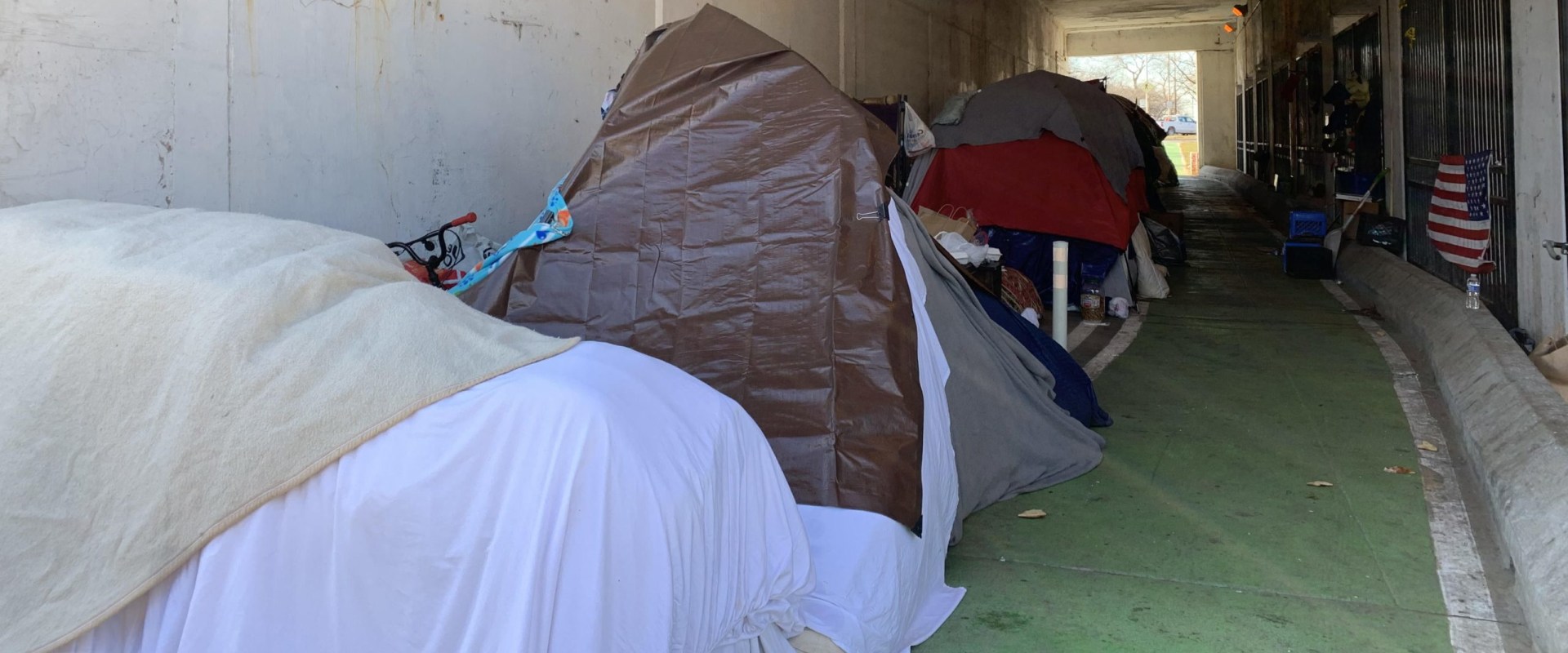
Food donations play a vital role in addressing the needs of the homeless population, providing not just sustenance but also a sense of dignity and community. For many individuals experiencing homelessness, access to nutritious meals can be a daily struggle. Shelters often rely heavily on the generosity of local communities to supply food, making donations an essential lifeline. The importance of these contributions cannot be overstated; they help ensure that those in need receive adequate nutrition, which is crucial for both physical and mental well-being. Moreover, food security is a pressing issue for many homeless individuals.
Without reliable access to food, their health can deteriorate rapidly, leading to a cycle of poverty and illness that is difficult to escape. By donating food, community members not only help alleviate immediate hunger but also contribute to long-term solutions that empower individuals to regain stability in their lives. This is particularly important in shelters where resources are often limited and the demand for food can fluctuate significantly. As we delve deeper into the policies surrounding food donations at homeless shelters, it’s essential to recognize the ongoing need for resources. Many shelters operate under strict guidelines regarding what types of food they can accept, which can sometimes lead to confusion among potential donors.
Understanding these policies is crucial for maximizing the impact of donations and ensuring that the food provided meets safety standards while still addressing the urgent needs of those they serve.
Understanding Expiration Dates: What They Mean
Understanding expiration dates is essential for both food donors and homeless shelters. These dates are not just arbitrary numbers; they provide critical information about food safety and quality. However, many people are confused by the various terms used on food packaging, such as sell by , use by , and best before. Each of these labels serves a different purpose and can significantly impact the decision-making process regarding food donations.Sell By Date:
This date is primarily intended for retailers.
It indicates the last day a product should be sold to ensure optimal freshness. After this date, the food may still be safe to consume, but its quality could begin to decline. For example, dairy products might start to sour, and baked goods may become stale. Donors should understand that while a product may be past its sell by date, it does not necessarily mean it is unsafe for consumption.
Use By Date:
This label is more critical when it comes to food safety.
The use by date is the last day recommended for the use of the product while it is at its peak quality. Consuming food after this date can pose health risks, especially for perishable items like meat and dairy. Shelters must be particularly cautious with items marked with a use by date, as serving expired products could lead to foodborne illnesses.
Best Before Date:
This term refers to the period during which the product is expected to maintain its best flavor and texture. Foods can often be consumed after this date, although they may not taste as fresh or have the same texture.
For instance, canned goods or dry pasta may still be perfectly safe to eat long after their best before date has passed, provided they have been stored correctly. For donors looking to contribute to homeless shelters, understanding these labels can help ensure that the food provided is both safe and enjoyable for those in need. It’s advisable to check with local shelters about their specific policies regarding expired foods and how they interpret these dates. In conclusion, being informed about expiration dates can make a significant difference in food donation practices. By recognizing the meanings behind these labels, donors can help shelters provide safe and nutritious meals to the homeless community.
Do Homeless Shelters Accept Expired Food?
When considering whether homeless shelters accept expired food, it is essential to understand the policies that govern food donations. Generally, most shelters do not accept food that has passed its expiration date.This policy is primarily rooted in health and safety concerns. Shelters aim to provide nutritious meals to individuals in need, and serving expired food can pose significant risks. One of the main reasons shelters reject expired food is the potential for foodborne illnesses. Consuming expired products can lead to serious health issues, especially for vulnerable populations such as the homeless, who may already have compromised immune systems. If someone were to become ill after consuming expired food, the shelter could be held liable, which is a risk they are unwilling to take. Additionally, many shelters adhere to strict guidelines regarding food safety and quality.
These guidelines often dictate that only non-perishable items with clear expiration dates are accepted. For instance, canned goods are typically welcomed as long as they are within their designated shelf life. This ensures that the food provided is safe and nutritious. It’s important to note that while some shelters may have more lenient policies regarding certain types of food, such as dry goods or items that are still sealed and appear safe, it is always best to check with the specific shelter beforehand. Each organization may have different rules based on local health regulations and their operational capabilities. In conclusion, while the intention behind donating expired food may stem from a desire to help those in need, it is crucial to respect the policies of homeless shelters.
Donors should focus on providing fresh, non-perishable items that can genuinely benefit those they aim to support. By doing so, they contribute positively to the well-being of individuals experiencing homelessness.
Legal Considerations for Food Donations
When considering food donations to homeless shelters, it is essential to understand the legal framework that governs these acts of generosity. Various laws exist to protect both donors and recipients, ensuring that food donations can be made safely and responsibly. One of the most significant pieces of legislation in this area is the Good Samaritan Food Donation Act. Enacted in 1996, this federal law encourages food donation by providing liability protection to food donors.Under this act, individuals and businesses that donate food in good faith are shielded from legal repercussions if the food later causes harm to the recipient. This means that as long as the donor has no knowledge of the food being unsafe or spoiled, they cannot be held liable for any adverse effects that may arise from its consumption. In addition to the Good Samaritan Food Donation Act, many states have their own laws that further protect food donors. These state laws often mirror the federal protections but may include additional provisions tailored to local needs. For instance, some states have established specific guidelines regarding the types of food that can be donated and the conditions under which they must be stored and transported. It is also important for donors to be aware of the liability concerns that can arise when donating food.
While the Good Samaritan Act provides a safety net, shelters and organizations receiving donations must also adhere to strict health and safety regulations. This includes ensuring that all donated food is safe for consumption and properly labeled with expiration dates. Shelters typically have protocols in place to assess the quality of donated items, which helps mitigate risks associated with expired or potentially hazardous foods. Moreover, donors should consider reaching out to local shelters or food banks before making a donation. This proactive approach not only helps clarify what types of food are needed but also ensures compliance with any specific regulations or guidelines that may apply in their area.
By communicating with shelter representatives, donors can better understand how their contributions will be utilized and what precautions are necessary. In summary, understanding the legal considerations surrounding food donations is crucial for anyone looking to support homeless shelters. The protections offered by laws like the Good Samaritan Food Donation Act encourage individuals and businesses to contribute without fear of liability, while also promoting safe practices within shelters. By being informed and responsible, donors can make a meaningful impact on their communities while ensuring that those in need receive safe and nutritious meals.
Types of Food Accepted by Homeless Shelters
When considering food donations to homeless shelters, it is essential to understand the types of food that are typically accepted. Most shelters prioritize non-perishable foods due to their longer shelf life and ease of storage.These items are crucial for meeting the ongoing needs of individuals experiencing homelessness.
Non-perishable food items
include:
- Canned goods: Items such as canned vegetables, fruits, soups, and meats are highly valued. They can last for years if stored properly and provide essential nutrients.
- Pasta and rice: These staples are filling and versatile, making them ideal for shelters that need to prepare large meals.
- Dried beans and lentils: Rich in protein and fiber, these foods are not only nutritious but also cost-effective.
- Peanut butter: A great source of protein and healthy fats, peanut butter is often a favorite among those in need.
- Granola bars and snacks: These items are perfect for quick meals or snacks on the go, providing energy to those who may not have access to regular meals.
Food that is past its expiration date is often discarded to avoid any health risks. This means that donors should be mindful of the dates on packaging when considering what to donate. Some shelters may accept items that are close to their expiration date if they can be used immediately or within a short timeframe. To ensure your donations are helpful, it’s best practice to contact local shelters directly. Inquire about their specific needs and any restrictions they may have regarding food donations.
This proactive approach not only helps you understand what is needed but also fosters a relationship with the shelter, ensuring that your contributions make a meaningful impact.
Best Practices for Donating Food to Shelters
Donating food to homeless shelters is a generous act that can significantly impact the lives of those in need. However, to ensure that your contributions are both safe and beneficial, it’s essential to follow some best practices when preparing and delivering your donations.1.Understand Shelter Needs
- Before you gather items to donate, take the time to research the specific needs of your local shelter. Many shelters have unique requirements based on their clientele and available resources.
- Contact the shelter directly to inquire about their current food needs, preferred types of donations, and any restrictions they may have regarding expired items.
2.Focus on Non-Perishable Items
- Most shelters prefer non-perishable food items due to their longer shelf life and ease of storage. Consider donating:
- Canned goods (vegetables, fruits, soups)
- Pasta and rice
- Dried beans and lentils
- Peanut butter and jelly
- Granola bars and cereal
- Avoid donating perishable items unless you have confirmed with the shelter that they can accommodate them.
3.Check Expiration Dates
- While some shelters may accept food that is slightly past its expiration date, it’s generally best to donate items that are well within their expiration period.
This ensures the safety of those consuming the food.
- If you’re unsure about an item’s safety, it’s better to err on the side of caution and not include it in your donation.
4.Package Donations Properly
- Ensure that all food items are securely packaged to prevent contamination or spoilage during transport. Use sturdy boxes or bags that can hold the weight of the items without breaking.
- If you’re donating bulk items, consider portioning them into smaller packages for easier distribution at the shelter.
5.Communicate with Shelter Staff
- When you arrive at the shelter, communicate clearly with staff about what you are donating. This helps them plan for storage and distribution effectively.
- If possible, schedule your donation in advance so that staff can prepare for your arrival and ensure they have adequate space for your contributions.
6.Be Mindful of Food Safety
- Always prioritize food safety when donating. Wash your hands before handling food items and ensure that any containers or packaging are clean.
- If you’re donating homemade meals, be sure to follow safe cooking practices and label all items with ingredients and preparation dates.
The Impact of Expired Food on Shelter Operations
Accepting expired food in homeless shelters can significantly impact their operations, primarily due to health risks and potential liability issues.While the intention behind donating expired food may stem from a desire to help those in need, the consequences can be far-reaching and detrimental. One of the primary concerns regarding expired food is the health risks it poses to vulnerable populations. Individuals experiencing homelessness often have compromised immune systems and may already be dealing with health issues. Consuming expired food can lead to foodborne illnesses, which can be severe and even life-threatening. Symptoms such as nausea, vomiting, diarrhea, and fever can arise from consuming spoiled or contaminated food, putting shelter residents at risk. Moreover, shelters must consider their liability when accepting expired food.
If a resident becomes ill after consuming donated food, the shelter could face legal repercussions. Lawsuits related to food safety can be costly and damaging to an organization’s reputation. Many shelters operate under strict guidelines that prioritize the health and safety of their clients, which often leads them to reject any food items that are past their expiration dates. In addition to health risks and liability concerns, accepting expired food can complicate shelter operations. Shelters typically have limited resources and staff trained to handle food safely.
When expired items are accepted, it may require additional time and effort to sort through donations, assess their safety, and determine what can be used. This diverts attention from other critical operations, such as providing essential services and support to residents. Furthermore, shelters often rely on partnerships with local food banks and health departments that have strict policies regarding food safety. Accepting expired items could jeopardize these relationships, leading to a decrease in future donations from reliable sources. In conclusion, while the desire to donate food is commendable, shelters must carefully consider the implications of accepting expired items. The potential health risks, liability issues, and operational challenges highlight the importance of adhering to strict food safety standards to ensure the well-being of those they serve.
Alternatives to Donating Expired Food
While donating food is a noble act, there are numerous alternatives to consider when it comes to supporting homeless individuals, especially if you are hesitant about donating expired food.Here are some creative and impactful ways to make a difference:
- Volunteer Your Time: Many shelters and organizations rely heavily on volunteers to help with daily operations. By offering your time, you can assist in serving meals, organizing donations, or providing companionship to those in need. This personal interaction can be incredibly valuable for homeless individuals.
- Monetary Donations: Financial contributions can be more beneficial than food donations in some cases. Shelters can use funds to purchase fresh ingredients, pay for utilities, or cover other operational costs.
Consider setting up a recurring donation to support your local shelter.
- Host a Fundraiser: Organizing a community event or fundraiser can raise awareness and funds for homeless shelters. Whether it’s a bake sale, charity run, or a benefit concert, engaging your community can amplify your impact.
- Collect Non-Perishable Items: Instead of expired food, focus on collecting non-perishable items that are still within their expiration dates. Canned goods, pasta, rice, and other shelf-stable foods are always in demand and can be distributed quickly.
- Provide Hygiene Kits: Many homeless individuals lack access to basic hygiene products. Assembling hygiene kits with items like soap, toothpaste, toothbrushes, and feminine hygiene products can greatly improve their quality of life.
- Advocate for Policy Changes: Get involved in local advocacy efforts aimed at addressing homelessness.
Supporting policies that provide affordable housing or mental health services can create long-term solutions for those experiencing homelessness.
Frequently Asked Questions About Food Donations to Shelters
When considering donating food to homeless shelters, many individuals have questions about the process, regulations, and best practices. Here are some frequently asked questions that can help clarify common concerns.What types of food can I donate to homeless shelters?
Most shelters prefer non-perishable items due to their longer shelf life and ease of storage. Commonly accepted donations include:- Canned goods (vegetables, fruits, soups)
- Pasta and rice
- Dried beans and lentils
- Peanut butter and jelly
- Granola bars and snacks
Will shelters accept expired food?
Generally, most shelters do not accept food that is past its expiration date.This is primarily due to health regulations and liability concerns. Even if the food appears safe to eat, shelters prioritize the well-being of their clients. However, some organizations may accept items that are close to their expiration date if they can be used quickly. Always contact the shelter directly to inquire about their policies.
How should I package my food donations?
When donating food, it’s important to package items securely.Use sturdy boxes or bags that can withstand transport. Ensure that all items are sealed and labeled clearly with expiration dates. This helps shelter staff sort donations efficiently and ensures safety for those receiving the food.
Can I donate homemade food?
While homemade meals can be a generous gesture, many shelters have strict policies against accepting them due to health regulations. It’s best to stick with commercially packaged foods unless the shelter explicitly states they accept homemade items.How can I find out what a specific shelter needs?
The best way to understand a shelter's needs is to contact them directly.Many shelters have websites or hotlines where you can get information about their current needs, donation guidelines, and any specific items they may be lacking. By addressing these common questions, potential donors can feel more confident in their contributions and ensure that their efforts effectively support those in need within the homeless community.
Conclusion: The Role of Community in Supporting the Homeless
In conclusion, the issue of food donations to homeless shelters, particularly regarding expired food, highlights the critical role that community involvement plays in supporting homeless individuals. As we have explored, while many shelters have strict guidelines about accepting food donations, the underlying need for nutritious meals remains constant. It is essential for community members to understand these guidelines and work within them to ensure that their contributions are both safe and beneficial. Community support can take many forms, from volunteering time at local shelters to organizing food drives that focus on non-perishable items with clear expiration dates. By engaging with shelters and understanding their specific needs, community members can make a significant impact.This not only helps to provide sustenance for those in need but also fosters a sense of connection and solidarity among residents. Moreover, it is crucial to recognize that the stigma surrounding expired food can often overshadow its potential value. Many people are unaware that food safety regulations allow for the consumption of certain items past their printed expiration dates, especially when it comes to canned goods and other non-perishables. Educating the community about these facts can lead to more informed donations and reduce unnecessary waste. Ultimately, the success of food donation efforts hinges on collaboration between donors, shelters, and local organizations. By working together, we can create a more robust support system for homeless individuals.
This includes advocating for policies that encourage safe food donations and raising awareness about the importance of addressing hunger in our communities. In summary, as we reflect on the various aspects of food donations to homeless shelters, it becomes clear that community involvement is vital. By ensuring that our contributions are safe, responsible, and aligned with shelter needs, we can help nourish those who are most vulnerable among us. Together, we can make a difference in the lives of homeless individuals and contribute to a more compassionate society.