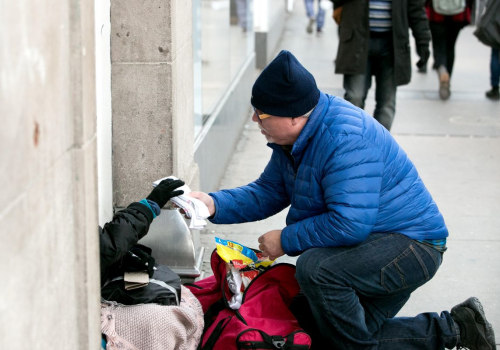
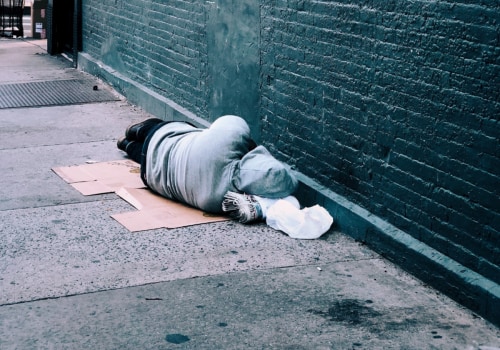
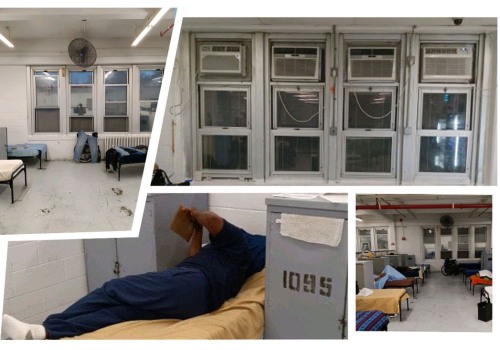
Where homeless can sleep?
Many live with family, friends, in a vehicle or in shelters. Alternative housing options may include negotiating with a friend or family member to extend housing.
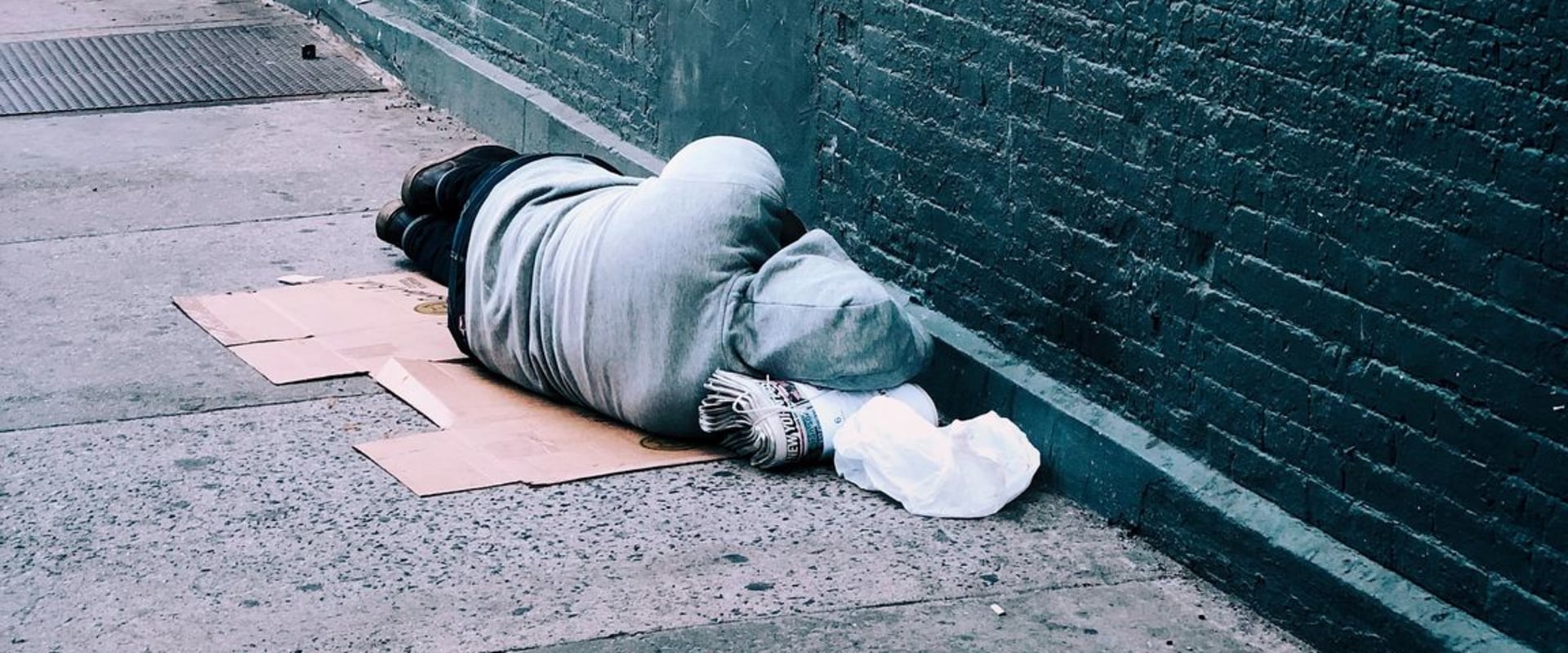
Many live with family, friends, in a vehicle or in shelters. Alternative housing options may include negotiating with a friend or family member to extend housing. Other people who live on the street may find shelter in parks, beaches, or even under bridges. The first place you can legally sleep is in churches. Churches are great because you can relax. Many local churches, synagogues, and other religious centers offer food, clothing, and other services to those in need.
They may even be able to help you with other things you need. Because churches are private property, you can’t be fined for entering without authorization. Depending on where a person is located, emergency housing and homeless shelters are the best places to sleep. Emergency shelters operate year-round to meet urgent needs, especially during unsafe conditions, and are staffed by trained staff who provide crisis intervention and immediate support. You can expect emergency shelter services to include a warm bed, meals, hygiene items, and support. During the intake process, an assessment of needs will happen, and staff will assist you through each stage to facilitate timely placement. Population-specific shelters focus on specific groups, such as families with children, runaway youth, veterans, or domestic violence survivors. Safe and supportive places for homeless individuals to sleep include emergency, non-profit, and government-funded options such as Salvation Army, Covenant House, religious institutions, and community non-profit shelters. You can also expect to find emergency housing programs available for veterans facing homelessness.
Although not recommended, many homeless people sleep in tents, cars and abandoned buildings. If you must sleep in an abandoned building, it is important to keep your belongings small and secure to minimize risk and theft. Planning for shelter, safety, and resource management is crucial when experiencing homelessness. Access to facilities such as toilets, water, and showers is important, and a gym membership can provide access to showers. Access to resources such as plugs for charging devices and water can also be vital.
Martin de Porres House of Hope provides shelter to homeless women, pregnant teens and women recovering from substance abuse and their children. These shelters also serve women experiencing domestic violence, offering trauma-informed care and comprehensive support. Homeless LGBT people suffer a greater tendency to physical abuse, with a reported average of 7 more victimizing authors than their heterosexual counterparts.7 The Homeless Coalition provides updated information on New York City’s homeless population. In recent years, homelessness in New York City has reached its highest levels since the Great Depression. The main risk factors for homelessness include a combination of psychiatric disorders, substance abuse, lack of family support, previous incarceration, and extremely low long-term income.
There are many nonprofit agencies and organizations committed to ending homelessness and providing support to those in need. Salvation Army and local community nonprofits often provide safe beds and meals for homeless individuals. If you have the time to volunteer or financial resources to donate, there are several nonprofit organizations and charities for the homeless that are having an amazing impact in the fight against homelessness. Permanent supportive housing combines affordable housing with onsite support services for individuals who have been homeless for extended periods and have disabling conditions. Transitional housing programs allow for longer stays (often 6 to 24 months) and provide structured support, such as life-skills training and case management. Youth shelters provide supportive environments for young people experiencing homelessness, and Covenant House provides specialized, safe spaces for teenagers and young adults. Drop-In Centers allow adults to come indoors for the night and often provide basic hygiene services and connections to faith-based shelters. Local Continuum of Care (CoC) organizations coordinate homeless assistance programs and offer a path to permanent housing. The Department of Housing and Urban Development (HUD) offers programs to find shelter and avoid homelessness. The National Runaway Safeline offers free, confidential, and non-judgmental support 24 hours a day for runaways and homeless youth. Your community may have a 'homeless hotline' or a local department of social/human services that serves as the 'front door' to receiving help. Program staff, friends, and community members can assist individuals with housing stability, employment, and resolving conflicts. When seeking assistance, you can expect to go through a process that includes assessment, referrals, and possible placement, with staff guiding you through each step and preparing you for potential outcomes. For more resources and support, visit the official site of local organizations.
Then, if you’re homeless in a car and you live in the city, your city may have designated safe areas for the homeless. His organization is the largest provider of services for the homeless in the county and is home to approximately 670 people every night.
Here you can find key statistics on the homeless shelter population in New York City and a brief description of some of the major factors causing homelessness today. But if you can afford it, for the same reasons that dispersed camping areas are a great place for the homeless, so are traditional camps. Presbyterian Night Shelter2400 Cypress StreetFort Worth, TX 76102 (81 632-7400) They believe that everyone deserves and needs a home, so they have worked to eliminate homelessness in Tarrant County since 1984. The Graham Emergency Shelter, located at 69 Main Street in Vergennes, Vermont, provides food, shelter, housing, services and hope for homeless individuals and families around Vermont. Its mission is to help homeless and low-income families achieve sustainable independence through a community-based response.
Emergency Housing Options
Emergency housing options play a vital role in supporting individuals and families experiencing homelessness, offering a secure place to sleep and immediate access to food, supportive services, and resources. In most areas, a range of programs and facilities are available to meet the urgent needs of people facing housing instability. These include homeless shelters, transitional housing, and permanent supportive housing, each designed to address specific needs such as mental health challenges, domestic violence, or the unique circumstances of veterans and young adults.
Organizations like the Salvation Army, Covenant House, and local community agencies provide emergency housing that goes beyond just a bed for the night. Many offer case management, mental health counseling, job training, and referrals to additional services, helping individuals and families move toward permanent housing and greater well-being. For young people and young adults, specialized programs ensure a safe and supportive environment, while veterans can access tailored assistance through Veterans Affairs and other dedicated resources.
While some people experiencing homelessness may resort to sleeping in abandoned buildings or parking lots, these options often come with significant risks to safety and health. Urban development initiatives in some cities have transformed these spaces into safer, supervised sites, but the best first step is to contact local services for assistance. Trained staff at homeless shelters and outreach programs can help assess specific needs, provide access to food pantries and hygiene facilities, and connect individuals with transitional housing or permanent supportive housing opportunities.
Accessing emergency housing typically begins with reaching out to a local homeless hotline, community organization, or government department such as the Department of Housing and Urban Development (HUD) or Veterans Affairs. The National Runaway Safeline is a crucial resource for young people in crisis, offering immediate referrals to safe locations and supportive services. By taking this first step, people experiencing homelessness can find a secure place to rest, receive essential support, and start building a plan for long-term stability.
Across the country, dedicated programs and community efforts are working to end homelessness by providing emergency housing, supportive services, and pathways to permanent housing. These resources not only address urgent needs but also promote overall well-being, helping individuals and families regain stability, access employment opportunities, and improve their quality of life. By connecting with available services and programs, people experiencing homelessness can take meaningful steps toward a safer, healthier future.
Food Pantries and Basic Needs
Access to food and other basic needs is a critical first step for people experiencing homelessness. Fortunately, there are a variety of resources and programs available in most areas to help meet these urgent needs. Food pantries and food banks are essential community resources, offering free or low-cost groceries to individuals and families who may not have the income to purchase food. These can often be found through local directories, such as the Homeless Shelters Directory, or by contacting your city or county’s department of social services.
Many organizations, like the Salvation Army, provide more than just food—they offer shelter, clothing, counseling, and supportive services designed to help people stabilize their lives. For young people and young adults, Covenant House is a vital resource, offering food, a secure place to sleep, and case management tailored to the specific needs of youth experiencing homelessness. These organizations understand that well-being goes beyond just a meal or a bed; they provide mental health support, job training, and referrals to other services that can help individuals move toward permanent housing.
If you or someone you know has urgent needs, dialing 211 connects you to local social services, including food assistance, shelter, and other resources. The National Runaway Safeline is another important contact for young people in crisis, offering referrals to food, shelter, and counseling services across the country.
For veterans, the Department of Veterans Affairs (VA) offers specialized programs, including permanent supportive housing and transitional housing, to help end homelessness among those who have served. The Department of Housing and Urban Development (HUD) also funds programs that provide rapid re-housing and permanent housing solutions for individuals and families, often in partnership with local agencies.
In some cities, urban development initiatives have repurposed parking lots or abandoned buildings as safe sites where homeless people can access food, clothing, and other essentials without fear of prosecution. These efforts, combined with mental health services and case management, are crucial for supporting the well-being of people experiencing homelessness.
Ultimately, addressing homelessness requires a comprehensive approach—one that provides not only food and shelter, but also supportive services, counseling, and pathways to stable, permanent housing. By connecting with organizations like the Salvation Army, Covenant House, and local food pantries, individuals and families can find the assistance they need to improve their lives and work toward long-term stability.