Essential Needs of the Homeless: Understanding and Addressing Their Most Pressing Requirements
Explore the essential needs of the homeless, including food, clothing, hygiene, and mental health support to foster dignity and well-being.

Homelessness is a multifaceted issue that affects millions of individuals and families across the United States. It is not merely a lack of shelter; it encompasses a range of social, economic, and personal factors that contribute to an individual's inability to secure stable housing. Understanding the complexities of homelessness is crucial for addressing the specific needs of those affected. The causes of homelessness are varied and can include economic hardship, mental health issues, substance abuse, domestic violence, and systemic failures in social services. Demographically, homelessness does not discriminate; it impacts people of all ages, races, and backgrounds.
Families with children, veterans, and individuals with disabilities are particularly vulnerable. According to recent statistics, a significant portion of the homeless population consists of single adults, but families with children represent a growing segment as well. This diversity highlights the necessity for tailored solutions that address the unique circumstances faced by different groups within the homeless community. Moreover, the stigma surrounding homelessness often leads to misconceptions about those who experience it. Many people assume that homelessness is solely a result of personal failure or poor choices.
However, this perspective overlooks the systemic barriers that many individuals face, such as lack of affordable housing, inadequate healthcare access, and insufficient support networks. By fostering a deeper understanding of these underlying issues, we can better appreciate what homeless individuals truly need to regain stability and dignity in their lives.
Basic Necessities: Food and Water
Access to food and clean water is a fundamental necessity for everyone, but it becomes even more critical for those experiencing homelessness. The homeless population often faces significant barriers in obtaining these essentials, which can lead to severe health issues and exacerbate existing conditions.Food Needs of the Homeless
Nutrition plays a vital role in maintaining health and well-being. For homeless individuals, the lack of consistent access to nutritious food can lead to malnutrition, weakened immune systems, and chronic health problems.
Many shelters and food banks strive to provide meals, but the quality and nutritional value of these offerings can vary widely. It is essential to focus on providing not just quantity but also quality when it comes to food donations.
- Non-perishable items: Canned goods, dried fruits, nuts, and whole grain products are excellent options as they have a longer shelf life and are easy to store.
- Fresh produce: Whenever possible, donating fresh fruits and vegetables can significantly improve the nutritional intake of homeless individuals.
- Ready-to-eat meals: Pre-packaged meals that require no cooking can be a lifesaver for those without access to cooking facilities.
Water Access for the Homeless
Clean drinking water is another critical need that is often overlooked. Many homeless individuals do not have reliable access to safe drinking water, which can lead to dehydration and other serious health issues. Providing bottled water or establishing water stations in areas frequented by the homeless can make a significant difference.
Nutrition for Homeless Individuals
Beyond just filling stomachs, it’s important to consider the nutritional content of what is being provided.
A balanced diet rich in vitamins and minerals can help improve overall health outcomes. Organizations that serve the homeless should aim to include:
- Protein sources: Beans, lentils, canned fish, and nut butters are excellent sources of protein that are often affordable and easy to distribute.
- Dairy alternatives: For those who are lactose intolerant or prefer non-dairy options, providing fortified plant-based milk can help meet calcium needs.
- Whole grains: Foods like brown rice, quinoa, and whole grain bread provide essential carbohydrates that are crucial for energy.
Clothing and Shelter: Protection from the Elements
For individuals experiencing homelessness, having access to appropriate clothing and shelter is crucial for survival, especially when faced with the harsh realities of weather conditions. The right clothing not only provides warmth and comfort but also serves as a barrier against the elements, which can be life-threatening in extreme conditions.Seasonal Clothing Needs
- Winter Clothing: During the colder months, homeless individuals require insulated jackets, thermal layers, and warm accessories such as hats, gloves, and scarves.
These items are essential for maintaining body heat and preventing hypothermia.
- Summer Clothing: In contrast, summer presents its own challenges. Lightweight, breathable fabrics are necessary to combat heat and humidity. Items like shorts, t-shirts, and sandals can help keep individuals cool while also providing comfort.
- Rain Gear: Rain can be particularly detrimental for those without shelter. Waterproof jackets, ponchos, and sturdy umbrellas are vital for keeping dry and preventing illness caused by prolonged exposure to wet conditions.
The Importance of Shelter
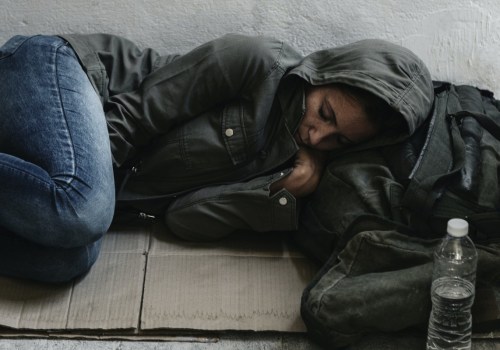
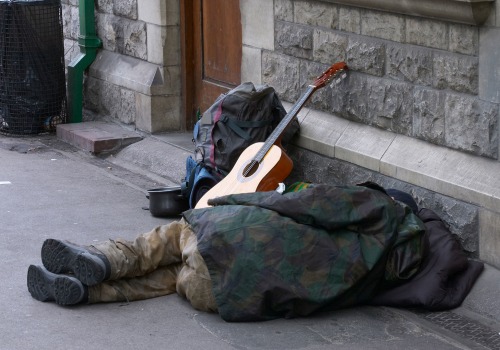
A safe place to sleep is equally important as clothing.
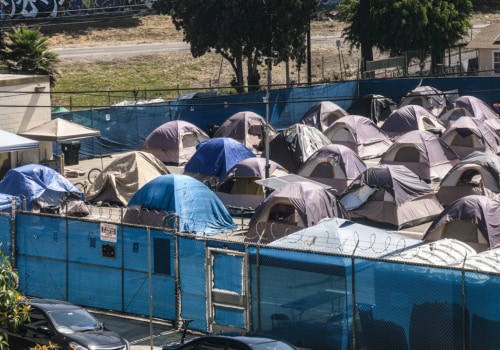
Homeless shelters provide not only a roof over one’s head but also a sense of security and community. Many shelters offer additional services such as meals, hygiene facilities, and access to social services that can help individuals transition out of homelessness.
However, the availability of shelter can vary significantly by location and season. During winter months, shelters often reach capacity due to increased demand. This makes it imperative for communities to support local shelters through donations of clothing and other essentials.
Community Involvement
Community members can play a vital role in addressing these needs by organizing clothing drives or donating directly to shelters.
Items such as gently used coats, boots, and thermal wear are always in high demand during winter months. Similarly, summer clothing donations can help ensure that homeless individuals have appropriate attire year-round. In conclusion, addressing the clothing needs of the homeless population is a critical aspect of providing support. By understanding the seasonal requirements and the importance of shelter, we can better assist those in need and contribute to their overall well-being.
Hygiene Products: Maintaining Health and Dignity
For individuals experiencing homelessness, maintaining personal hygiene can be a significant challenge. Limited access to clean water, restrooms, and sanitary facilities often leads to poor hygiene, which can exacerbate health issues and diminish self-esteem.Addressing the hygiene needs of the homeless is crucial not only for their physical health but also for their dignity and mental well-being. Common hygiene challenges faced by homeless individuals include:
- Lack of Access to Facilities: Many homeless individuals do not have regular access to showers or restrooms, making it difficult to maintain basic hygiene.
- Limited Resources: Financial constraints often prevent the purchase of essential hygiene products, forcing individuals to go without.
- Health Risks: Poor hygiene can lead to various health issues, including skin infections, respiratory problems, and other serious conditions.
- Soap: A basic necessity for washing hands and body. Consider including both bar soap and liquid soap options.
- Shampoo and Conditioner: Travel-sized bottles are ideal for easy transport and use.
- Toothbrush and Toothpaste: Oral hygiene is vital; providing a toothbrush and toothpaste can help prevent dental issues.
- Deodorant: A small but impactful item that helps individuals feel fresh and confident.
- Feminine Hygiene Products: Tampons and pads are essential for women experiencing homelessness, yet they are often overlooked in donations.
- Wet Wipes: These are useful for quick clean-ups when access to water is limited.
- Tissues: Handy for various needs, from blowing noses to personal cleaning.
- Sunscreen: Protecting skin from sun damage is important, especially for those spending extended periods outdoors.
- Hand Sanitizer: An effective way to maintain cleanliness when soap and water are not available.
It’s essential to remember that these small acts of kindness can have a profound impact on their lives, promoting not only health but also self-respect in challenging circumstances.
Mental Health Support: Addressing Emotional Well-being
Homelessness is not just a physical state; it profoundly impacts mental health as well. Many individuals experiencing homelessness face a myriad of emotional challenges, including anxiety, depression, and post-traumatic stress disorder (PTSD). The stigma associated with being homeless can exacerbate feelings of isolation and hopelessness, making it crucial to address these mental health needs. One of the primary barriers to mental health support for the homeless is access to resources. Many shelters and outreach programs are beginning to recognize the importance of integrating mental health services into their offerings.This can include on-site counseling, support groups, and access to psychiatric care. By providing these services in a familiar environment, individuals are more likely to seek help.
Emotional support
plays a vital role in the recovery process for those experiencing homelessness. Peer support programs can be particularly effective, as they allow individuals to connect with others who have faced similar challenges. These programs foster a sense of community and belonging, which can significantly improve emotional well-being.
Additionally, many organizations are working to provide mental health resources tailored specifically for the homeless population.
These resources may include:
- Crisis intervention services: Immediate support for individuals in distress.
- Therapeutic workshops: Activities that promote coping skills and emotional expression.
- Access to medication: Ensuring that individuals can obtain necessary prescriptions.
- Case management: Helping individuals navigate available services and support systems.
Healthcare Access: Medical Needs of the Homeless
Access to healthcare is a critical issue for the homeless population, who often face numerous barriers that prevent them from receiving the medical attention they need. Many individuals experiencing homelessness suffer from chronic health conditions, mental health issues, and substance abuse problems, all of which require consistent and comprehensive medical care. One of the primary challenges is the lack of healthcare services specifically tailored to meet the needs of homeless individuals.Traditional healthcare systems may not be equipped to address the unique circumstances faced by this population, such as mobility issues, lack of transportation, and the stigma associated with homelessness. As a result, many homeless individuals avoid seeking medical help altogether. Moreover, the absence of a permanent address can complicate access to healthcare. Many healthcare providers require patients to have a stable residence for registration and follow-up appointments. This requirement can lead to missed opportunities for treatment and preventive care, exacerbating existing health issues. Preventive care is particularly important for the homeless, as they are at a higher risk for various health problems due to their living conditions.
For instance, exposure to harsh weather can lead to respiratory illnesses and skin infections. Regular check-ups and vaccinations are essential in preventing these conditions from worsening. To improve healthcare access for the homeless, several initiatives can be implemented:
- Mobile Health Clinics: These clinics can travel to areas where homeless individuals congregate, providing essential services such as vaccinations, screenings, and basic medical care.
- Partnerships with Local Organizations: Collaborating with shelters and community organizations can help bridge the gap between homeless individuals and healthcare providers.
- Training Healthcare Workers: Educating healthcare professionals about the specific needs and challenges faced by the homeless can foster a more compassionate and understanding approach to care.
- Telehealth Services: Utilizing technology to provide remote consultations can help overcome barriers related to transportation and accessibility.
Conclusion: The Path Forward in Supporting the Homeless Community
As we reflect on the pressing needs of the homeless community, it becomes clear that addressing their challenges requires a multifaceted approach. The insights gathered throughout this article highlight not only the immediate necessities but also the deeper systemic issues that contribute to homelessness. First and foremost, basic necessities such as food, clothing, and hygiene products are critical for survival.These items are not just luxuries; they are essential for maintaining health and dignity. By donating items like socks, underwear, and personal hygiene kits, we can make a tangible difference in the lives of those experiencing homelessness. Moreover, it is vital to recognize the importance of emotional support. Many individuals facing homelessness feel isolated and marginalized. Simple acts of kindness, such as engaging in conversation or offering companionship, can significantly uplift their spirits.
Community outreach programs that foster connections between volunteers and homeless individuals can help bridge this gap. Additionally, we must advocate for long-term solutions. This includes supporting policies that provide affordable housing, mental health services, and job training programs. By addressing the root causes of homelessness, we can create sustainable pathways out of poverty. In conclusion, understanding what the homeless need most goes beyond just providing material goods. It involves a commitment to fostering a compassionate society that values every individual.
By working together—whether through donations, volunteering, or advocacy—we can pave the way for a brighter future for those in need. Let us take action today to support our homeless community and ensure that everyone has access to the basic human rights of shelter, food, and dignity.