Understanding the Essential Needs of the Homeless: A Comprehensive Guide
Explore the critical needs of the homeless, including food, shelter, clothing, and hygiene products, and learn how to help your community.

Homelessness is a complex and multifaceted issue that affects millions of individuals and families across the United States. It is not merely the absence of a physical shelter but encompasses a range of challenges that can lead to a cycle of poverty, instability, and social isolation. Understanding the nuances of homelessness is crucial for developing effective solutions and fostering empathy within our communities. Individuals experiencing homelessness face numerous obstacles that can hinder their ability to secure stable housing. These challenges include limited access to healthcare, lack of employment opportunities, and social stigma.
Many homeless individuals struggle with mental health issues or substance abuse, which can complicate their situation further. Additionally, systemic factors such as rising housing costs, inadequate social services, and economic downturns contribute significantly to the growing homeless population. Moreover, homelessness does not discriminate; it affects people from all walks of life, including families with children, veterans, and the elderly. Each group faces unique challenges that require tailored approaches to address their specific needs. For instance, families may struggle with finding affordable housing that accommodates their size, while veterans might face barriers related to mental health care and reintegration into civilian life. As we delve deeper into the topic of homelessness in this article, it is essential to recognize these challenges and understand the urgent needs of those affected.
By shedding light on the realities faced by homeless individuals, we can better advocate for resources and support systems that can help them regain stability and dignity in their lives.
Basic Necessities: What Homeless Individuals Need Most
Understanding the basic necessities of homeless individuals is essential for providing effective support and assistance. The challenges faced by those experiencing homelessness are multifaceted, but at the core, there are fundamental needs that must be addressed to help them regain stability and dignity.Food
is one of the most pressing needs for homeless individuals. Access to nutritious meals can significantly impact their health and well-being. Many shelters and food banks work tirelessly to provide meals, but the demand often exceeds supply.
Donating non-perishable food items, such as canned goods, pasta, and rice, can make a substantial difference. Additionally, fresh produce and ready-to-eat meals are highly valued, as they offer essential nutrients that can help combat malnutrition.
Shelter
is another critical necessity. A safe place to sleep not only provides protection from the elements but also offers a sense of security. Many cities have emergency shelters that operate during extreme weather conditions, but these facilities can quickly become overcrowded.
Supporting local shelters through donations or volunteering can help ensure that more individuals have access to safe sleeping arrangements.
Clothing
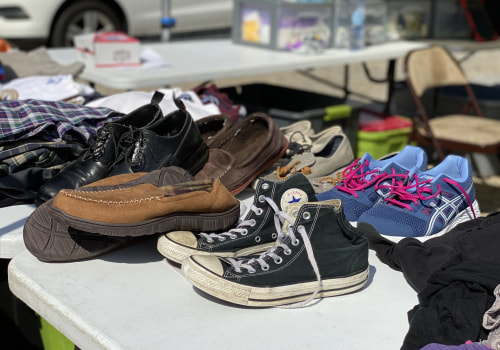
is vital for both comfort and protection. Items such as socks, underwear, and warm coats are often in high demand at shelters. Surprisingly, these essentials are frequently overlooked in donation drives. Providing new or gently used clothing can help homeless individuals stay warm and dry, which is especially important during colder months.
Hygiene products
are equally important yet often neglected in discussions about homelessness.
Access to basic hygiene items like soap, shampoo, toothbrushes, and menstrual products can greatly enhance the quality of life for those living on the streets or in shelters. Many organizations focus on distributing hygiene kits that include these essential items, making it easier for individuals to maintain their personal hygiene. In summary, addressing the basic needs of homeless individuals—food, shelter, clothing, and hygiene products—is crucial for fostering a supportive environment. By understanding these essentials and actively participating in donation efforts or volunteer programs, we can contribute to improving the lives of those experiencing homelessness in our communities.
The Importance of Clothing: More Than Just Warmth
When considering the needs of the homeless, clothing often emerges as a critical yet frequently overlooked necessity. While many people think of shelter and food as the primary concerns, clothing plays a vital role in providing not just warmth but also dignity and self-esteem.The right clothing can significantly impact the quality of life for individuals experiencing homelessness.
Among the most essential items are socks and underwear. Surprisingly, these basic garments are often in short supply at shelters. Many people donate clothing that they no longer wear, but items like socks and underwear are rarely included in these donations. This oversight can lead to discomfort and health issues for those who lack access to clean, dry clothing.
Socks
are particularly important because they protect the feet from harsh weather conditions and provide comfort during long days spent on the streets.
Wet or worn-out socks can lead to blisters and infections, making it difficult for individuals to walk or stand for extended periods. By donating new socks, you can help ensure that someone has a reliable source of warmth and protection. Similarly, underwear is a basic necessity that contributes to personal hygiene and comfort. Many shelters struggle to keep a sufficient supply of clean underwear on hand, which can lead to feelings of shame and embarrassment for those in need. Providing new underwear not only meets a practical need but also helps restore a sense of dignity. In addition to socks and underwear, other clothing items such as warm coats , hats , and gloves are crucial during colder months.
These items help protect against the elements, allowing individuals to stay warm and healthy. Donating gently used or new winter gear can make a significant difference in someone’s life. Moreover, it’s essential to consider the quality of the clothing being donated. Items that are durable and easy to care for are preferable, as they will withstand the rigors of daily use. When donating, think about what you would want if you were in their position—comfortable, functional clothing that meets basic needs. In conclusion, while food and shelter are vital for survival, clothing is equally important for maintaining dignity and comfort among the homeless population.
By focusing on specific needs like socks, underwear, and outerwear, we can make meaningful contributions that enhance the lives of those who are struggling. Every donation counts, so consider reaching out to local shelters to find out what they need most.
Health and Hygiene: Critical Aspects of Well-Being
The health and hygiene needs of homeless individuals are often overlooked, yet they are critical for maintaining overall well-being. Living without stable housing can lead to a myriad of health issues, exacerbated by limited access to medical care and essential hygiene products. One of the most pressing health concerns for the homeless population is the prevalence of chronic illnesses. Conditions such as diabetes, hypertension, and respiratory diseases are common among those without stable housing.The lack of regular medical check-ups and preventive care can lead to severe complications. Therefore, it is vital to provide access to healthcare services that cater specifically to the needs of homeless individuals. Moreover, mental health issues are prevalent in this demographic. Many homeless individuals face trauma, depression, and anxiety, often stemming from their living conditions and experiences. Access to mental health services is crucial for helping them cope with these challenges.
Community outreach programs that offer counseling and support can make a significant difference in their lives.
Essential Hygiene Products
Hygiene products play a fundamental role in the health of homeless individuals. Basic items such as soap, shampoo, toothpaste, and sanitary products are often in short supply at shelters. These items not only help maintain personal cleanliness but also prevent the spread of infections and diseases.- Soap and Body Wash: Essential for maintaining hygiene, these products help prevent skin infections and other health issues.
- Toothbrushes and Toothpaste: Oral hygiene is crucial; dental problems can lead to severe pain and complications if left untreated.
- Sanitary Products: Menstrual hygiene products are particularly scarce in shelters, yet they are vital for women’s health.
- Deodorant: This simple product can significantly boost self-esteem and comfort for those living on the streets.
Initiatives that provide water stations or distribute bottled water can greatly improve their quality of life. In conclusion, addressing the health and hygiene needs of homeless individuals requires a multifaceted approach that includes providing access to medical care and essential hygiene products. By focusing on these critical aspects, we can help improve their overall well-being and dignity in challenging living conditions.
Mental Health Support: Addressing Emotional Needs
The mental health of the homeless population is a critical issue that often goes unnoticed. Many individuals experiencing homelessness face a myriad of challenges that can exacerbate existing mental health conditions or lead to new ones. Factors such as trauma, substance abuse, and social isolation contribute significantly to their emotional struggles.Understanding these challenges is essential for providing effective support and resources. One of the most pressing issues is the high prevalence of mental health disorders among homeless individuals. Studies indicate that approximately 25% to 30% of the homeless population suffers from serious mental illnesses, including schizophrenia, bipolar disorder, and severe depression. These conditions can severely impair their ability to seek help, maintain relationships, and secure stable housing. Moreover, the stigma surrounding mental health often prevents homeless individuals from accessing necessary care. Many may feel ashamed or believe that they will be judged for their struggles.
This stigma can lead to a cycle of isolation and despair, making it even more challenging for them to reach out for help. To address these emotional needs, it is crucial to provide comprehensive mental health support tailored specifically for the homeless community. This includes:
- Access to Counseling Services: Providing on-site counseling at shelters or outreach programs can help individuals process their experiences and develop coping strategies.
- Peer Support Programs: Connecting homeless individuals with peers who have successfully navigated similar challenges can foster a sense of community and belonging.
- Substance Abuse Treatment: Many homeless individuals struggle with addiction, which often co-occurs with mental health issues. Integrated treatment programs that address both substance use and mental health are essential.
- Emergency Mental Health Services: Immediate access to crisis intervention services can prevent situations from escalating and provide immediate relief for those in distress.
Creating informative materials that outline local resources, including hotlines and support groups, can empower them to seek help. In conclusion, addressing the mental health needs of the homeless population is not just about providing shelter; it involves a holistic approach that recognizes the intricate link between emotional well-being and physical health. By prioritizing mental health support, we can help break the cycle of homelessness and foster a path toward recovery and stability.
Community Resources: How to Help Locally
When it comes to supporting the homeless community, understanding the local resources available is crucial. Many cities and towns have established shelters, food banks, and various services designed to assist those in need. Here’s a closer look at how you can help the homeless in your area by utilizing these community resources.Local Shelters
Shelters are often the first point of contact for individuals experiencing homelessness.They provide not only a safe place to sleep but also essential services such as meals, hygiene facilities, and sometimes even job training programs. To find shelters in your area:
- Visit websites like Homeless Shelter Directory or National Coalition for the Homeless.
- Contact local churches or community centers, as they often have information on nearby shelters.
- Check with local government offices for resources and emergency shelters available in your area.
Food Banks and Meal Programs
Access to nutritious food is a fundamental need for everyone, especially for those who are homeless. Food banks and meal programs play a vital role in providing sustenance. Here’s how you can locate these resources:- Search for food banks through the Feeding America network, which connects individuals with local food assistance.
- Look for community kitchens that offer free meals; many organizations serve hot meals daily.
- Participate in or organize food drives to collect non-perishable items for local food banks.
Health Services
Health care is another critical area where the homeless often face challenges.Many communities offer health services specifically tailored for homeless individuals:
- Find out if there are free clinics in your area that provide medical care without requiring insurance.
- Look for mental health services that cater to the homeless population, as mental health issues are prevalent among those experiencing homelessness.
- Support mobile health units that travel to areas where homeless individuals congregate, offering immediate care and resources.
Advocacy and Awareness: Changing Perceptions of Homelessness
Advocacy plays a crucial role in addressing the complex issue of homelessness. It is not merely about providing immediate assistance but also about fostering a deeper understanding of the systemic factors that contribute to homelessness. By raising awareness, we can challenge the stereotypes and misconceptions that often surround this vulnerable population. Many people view homelessness through a narrow lens, often attributing it solely to personal failings such as addiction or lack of motivation.However, the reality is far more intricate. Factors such as economic instability , mental health issues , and lack of affordable housing significantly contribute to the crisis. Advocacy efforts aim to illuminate these underlying causes, encouraging society to adopt a more compassionate perspective. One effective way to raise awareness is through community engagement initiatives. These can include:
- Public forums : Hosting discussions that bring together community members, local leaders, and homeless individuals can foster understanding and empathy.
- Educational campaigns : Distributing informative materials that highlight the realities of homelessness can dispel myths and encourage informed conversations.
- Social media outreach : Utilizing platforms like Facebook, Twitter, and Instagram to share stories and statistics can reach a broader audience and spark dialogue.
By lobbying for increased funding for shelters, affordable housing projects, and mental health services, these organizations work tirelessly to create sustainable solutions. They also provide a voice for those who are often unheard, ensuring that the needs and rights of homeless individuals are represented in legislative discussions. Changing perceptions about homelessness requires collective effort. It involves not only advocating for policy changes but also fostering a culture of empathy and understanding within our communities. When we recognize that homelessness can affect anyone—regardless of their background—we begin to dismantle the stigma associated with it. In conclusion, advocacy and awareness are essential components in the fight against homelessness.
By educating ourselves and others, we can contribute to a more informed society that is willing to support effective solutions. Together, we can change perceptions and create a future where everyone has access to safe and stable housing.
FAQs About Homelessness: Common Questions Answered
Understanding homelessness is crucial for fostering empathy and addressing the challenges faced by those without stable housing. Here are some frequently asked questions that clarify common misconceptions and provide accurate information about homelessness.What causes homelessness?
Homelessness is a complex issue with multiple contributing factors. Some of the primary causes include:- Economic hardship: Job loss, low wages, and rising living costs can push individuals and families into homelessness.
- Lack of affordable housing: In many areas, the availability of affordable housing has not kept pace with demand, leading to increased homelessness.
- Mental health issues: Many homeless individuals struggle with mental health conditions that can hinder their ability to maintain stable housing.
- Addiction: Substance abuse can lead to a cycle of instability, making it difficult for individuals to secure and keep housing.
- Family issues: Domestic violence, family disputes, or the loss of a family member can result in homelessness.
Are all homeless people the same?
No, the homeless population is incredibly diverse.It includes individuals from various backgrounds, ages, and circumstances. Some may be temporarily homeless due to a crisis, while others may have been living on the streets for years. Understanding this diversity is essential in addressing their unique needs.
What are some common misconceptions about homeless people?
- They are all lazy: This stereotype overlooks the systemic issues that contribute to homelessness, such as economic barriers and mental health challenges.
- They choose to be homeless: While some individuals may prefer a transient lifestyle, many do not have the resources or support to secure stable housing.
- Homelessness only affects certain demographics: In reality, people of all ages, races, and backgrounds can experience homelessness.
Conclusion: The Path Forward in Supporting the Homeless Community
As we reflect on the pressing needs of the homeless community, it becomes clear that addressing their challenges requires a multifaceted approach. Throughout this article, we have explored various aspects of homelessness, from the immediate necessities like clothing and hygiene products to the broader systemic issues that contribute to this crisis. One of the most critical takeaways is the importance of understanding the unique needs of homeless individuals.Each person's situation is different, influenced by factors such as mental health, addiction, and economic instability. Therefore, solutions must be tailored to meet these diverse needs effectively. Moreover, we have highlighted the significance of community involvement in supporting homeless individuals. Simple acts of kindness, such as donating essential items like socks, underwear, and hygiene products, can make a substantial difference in their daily lives. Additionally, advocating for better policies and resources at local and national levels is crucial in creating sustainable change. It is also vital to recognize that homelessness is not merely a lack of shelter; it encompasses a range of social issues that require comprehensive solutions.
This includes access to healthcare, mental health services, and job training programs that empower individuals to regain their independence. In conclusion, as we move forward in our efforts to support the homeless community, let us commit to being informed advocates and compassionate allies. By understanding their needs and actively participating in initiatives aimed at alleviating homelessness, we can contribute to a future where everyone has a place to call home. Together, we can pave the way for meaningful change and ensure that no one is left behind.