Essential Guide to Accessing Showers and Hygiene Resources for the Homeless
Discover vital resources for homeless individuals seeking showers and hygiene support. Learn about services available across the U.S.
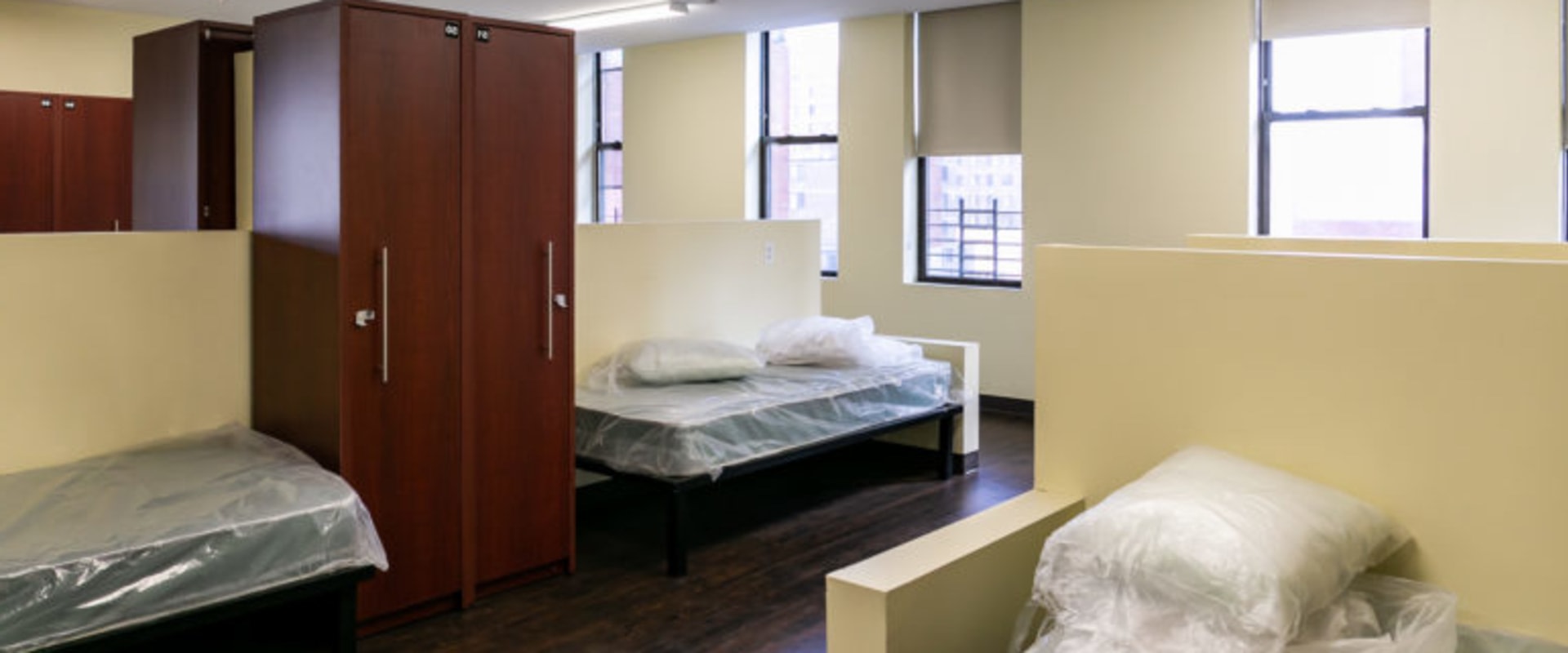
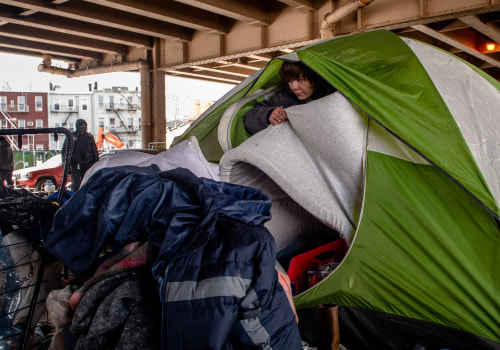
For individuals experiencing homelessness, maintaining personal hygiene is not just a matter of comfort; it is a crucial aspect of overall health and well-being. The lack of access to basic hygiene facilities can lead to a myriad of health issues, including skin infections, respiratory problems, and the exacerbation of chronic conditions. Furthermore, poor hygiene can significantly affect mental health, leading to feelings of shame and isolation. This makes it imperative to understand the importance of hygiene for the homeless population and the resources available to support them. Hygiene plays a vital role in preventing the spread of diseases, particularly in communal living situations often faced by those without stable housing.
Regular access to showers and clean clothing can help reduce the risk of infections and improve physical health outcomes. Moreover, maintaining personal cleanliness can enhance self-esteem and dignity, which are often compromised in the struggle for survival on the streets. When individuals feel better about themselves, they are more likely to engage with services that can help them transition out of homelessness. In many urban areas, organizations are stepping up to provide essential hygiene services, recognizing that these resources are fundamental to restoring dignity and promoting health among homeless individuals. From mobile shower units to community centers offering free hygiene kits, these initiatives are designed not only to meet immediate needs but also to foster a sense of community and support.
Understanding the significance of these services is crucial for both those in need and the broader community, as it highlights the interconnectedness of health, hygiene, and social support systems.
Where to Find Free Showers for the Homeless
Access to free showers for the homeless is crucial for maintaining personal hygiene and dignity. Various organizations and community centers across the United States have stepped up to provide these essential services. Below is a list of notable locations where individuals experiencing homelessness can find free shower facilities.- New York City, NY: The NYC Department of Homeless Services operates several shelters that offer free showers. Additionally, organizations like NYCP provide mobile shower units in various neighborhoods, ensuring accessibility for those in need.
- Los Angeles, CA: The Los Angeles Homeless Services Authority has partnered with local nonprofits to offer free showers at designated locations, including the Union Rescue Mission and various community centers throughout the city.
- Chicago, IL: The Chicago Department of Family and Support Services provides free shower services at several shelters, including the Pacific Garden Mission.
Additionally, mobile shower units are available at various outreach events.
- San Francisco, CA: The San Francisco Homeless Outreach Program offers free showers at multiple sites, including the Tenderloin Community Center. They also distribute hygiene kits to enhance personal care.
- Seattle, WA: Organizations like Mary's Place and the Seattle Union Gospel Mission provide free showers and hygiene services to homeless individuals. They also host community events that include access to showers.
- Austin, TX: The Austin Resource Center for the Homeless, also known as the ARCH, offers free shower facilities along with other essential services such as meals and clothing distribution.
- Phoenix, AZ: The Phoenix Rescue Mission provides free showers at their facilities and also operates mobile units that travel to different neighborhoods to reach those who may not have access otherwise.
Remember that maintaining personal hygiene is not just about cleanliness; it plays a vital role in mental health and overall well-being.
Mobile Shower Services: A Lifeline for the Homeless
Mobile shower services have emerged as a vital resource for the homeless community, offering a much-needed opportunity for personal hygiene that many take for granted. These services typically operate through specially designed shower trailers that are equipped with multiple shower stalls, restrooms, and sometimes even laundry facilities. By bringing these essential services directly to those in need, mobile shower units help bridge the gap in hygiene access. One of the key advantages of mobile shower services is their ability to reach various locations, making it easier for individuals experiencing homelessness to access showers without having to travel long distances. Many of these services partner with local organizations, shelters, and community centers to set up temporary stations in areas where homeless populations are concentrated.This flexibility allows them to adapt to the needs of the community and provide support where it is most needed. Typically, mobile shower services operate on a scheduled basis, often providing showers several times a week at designated locations. Users can usually sign up for a time slot, ensuring that they have a private space to clean up. Some services also offer additional amenities such as hygiene kits , which may include soap, shampoo, toothbrushes, and other personal care items. This comprehensive approach not only addresses immediate hygiene needs but also promotes overall health and well-being. The importance of maintaining personal hygiene cannot be overstated, especially for individuals living on the streets.
Access to showers can significantly improve mental health and self-esteem, allowing individuals to feel more dignified and presentable. Furthermore, regular bathing helps reduce the risk of illness and infection, which is particularly crucial in crowded living conditions. In addition to improving hygiene, mobile shower services often serve as a gateway to other essential resources. Many organizations that provide these services also offer meals, clothing, and connections to social services such as housing assistance and job training programs. This holistic approach ensures that individuals not only receive immediate relief but also have pathways to long-term stability. As cities continue to grapple with homelessness, mobile shower services represent an innovative solution that addresses one of the most basic human needs—hygiene.
By prioritizing access to clean showers and personal care products, communities can foster a sense of dignity and respect for those who are often marginalized.
The Role of Local Governments and Organizations in Providing Hygiene Resources
Local governments and non-profit organizations play a crucial role in addressing the needs of the homeless population, particularly when it comes to providing essential hygiene resources. The collaboration between these entities is vital for creating a supportive environment that promotes health and dignity among individuals experiencing homelessness. One of the most significant initiatives undertaken by local governments is the establishment of free shower facilities. These services are often located in accessible areas, making it easier for homeless individuals to maintain personal hygiene. For instance, cities like Newark have implemented mobile shower units that travel to various neighborhoods, ensuring that those in need can access these facilities without having to navigate long distances. In addition to shower services, many local governments partner with non-profit organizations to distribute personal care kits.These kits typically include items such as soap, shampoo, toothbrushes, toothpaste, and feminine hygiene products. By providing these essential items, organizations help alleviate some of the barriers that homeless individuals face in maintaining their hygiene.
Government support
for these initiatives often comes in the form of funding and resources. Many municipalities allocate budgetary funds specifically for homeless services, which can include hygiene programs. This financial backing allows organizations to expand their reach and improve the quality of services offered.
Moreover, community outreach programs are essential for raising awareness about available resources.
Local governments often collaborate with non-profits to conduct outreach efforts that inform homeless individuals about where they can find showers and hygiene kits. These initiatives not only provide immediate assistance but also foster a sense of community and support. Furthermore, during public health crises such as the COVID-19 pandemic, the importance of hygiene resources becomes even more pronounced. Local governments have recognized that maintaining proper hygiene is critical in preventing the spread of illness among vulnerable populations. As a result, many have prioritized reopening public shower facilities and increasing the distribution of hygiene products. In conclusion, the partnership between local governments and organizations is vital in providing hygiene resources for the homeless.
Through collaborative efforts, they can ensure that individuals experiencing homelessness have access to essential services that promote health and dignity.
Challenges Faced by the Homeless in Accessing Showers
Accessing shower facilities can be a daunting challenge for many individuals experiencing homelessness. The barriers they face are multifaceted, often intertwining social, logistical, and psychological factors that complicate their ability to maintain personal hygiene.Stigma and Social Isolation
One of the most significant hurdles is the stigma associated with homelessness. Many individuals feel judged or unwelcome in public spaces, including facilities that offer showers. This stigma can lead to feelings of shame and embarrassment, making it difficult for them to seek out these essential services.
The fear of being treated poorly or facing discrimination can deter homeless individuals from accessing showers altogether.
Transportation Issues
Transportation is another critical barrier. Many homeless individuals lack reliable means of getting to shower facilities, which are often located far from where they sleep or congregate. Public transportation may not be a viable option due to costs or limited routes, especially in areas where services are sparse. As a result, the physical distance to these resources can become a significant obstacle.
Limited Availability and Hours
Even when shower facilities are available, their operating hours may not align with the needs of homeless individuals.
Many shelters and community centers have restricted hours, often closing early in the evening or only operating on specific days. This limited availability can make it challenging for those who work odd jobs or have other commitments to find time to access these services.
Safety and Privacy Concerns
Safety is also a major concern. Many homeless individuals worry about their belongings while they are in the shower, fearing theft or vandalism. Additionally, the lack of privacy in communal shower settings can be uncomfortable and intimidating, further discouraging them from using these facilities.
Health and Hygiene Resources
The absence of adequate health and hygiene resources compounds these challenges.
While some organizations provide hygiene kits or mobile shower units, these services may not be widely known or accessible to all who need them. Without proper information about where to find showers or how to access hygiene products, many homeless individuals remain unaware of the options available to them. In summary, the challenges faced by homeless individuals in accessing showers are complex and deeply rooted in societal issues. Addressing these barriers requires a comprehensive approach that not only provides physical access to hygiene facilities but also fosters an environment of understanding and support.
Personal Hygiene Tips for the Homeless Community
Maintaining personal hygiene can be a significant challenge for individuals experiencing homelessness. However, with some practical strategies and resourcefulness, it is possible to uphold basic hygiene standards.Here are some essential tips to help navigate personal care without stable housing:
- Utilize Available Shower Services: Many cities offer free or low-cost shower facilities specifically for the homeless community. Research local shelters, community centers, or organizations that provide these services. For instance, places like NYCP and ARM have established mobile shower units in various locations. Make a schedule to take advantage of these resources regularly.
- Carry a Hygiene Kit: Assemble a portable hygiene kit that includes travel-sized toiletries such as soap, shampoo, toothpaste, and a toothbrush.
Additionally, include items like deodorant, wet wipes, and hand sanitizer. This kit can be easily carried in a backpack and used whenever necessary.
- Practice Basic Grooming: Even without access to showers, basic grooming can significantly enhance personal hygiene. Regularly combing hair, trimming nails, and using deodorant can help maintain a clean appearance. If possible, find a public restroom where you can wash your face and hands.
- Stay Dry and Warm: Wet clothing can lead to skin issues and discomfort.
If you have access to clean clothes, change into them after showering or washing up. Keeping dry is crucial for preventing rashes and other skin problems.
- Use Public Facilities Wisely: Many public places such as libraries or community centers have restrooms that can be used for quick clean-ups. Take advantage of these facilities to wash your hands or freshen up when needed.
- Seek Out Community Resources: Local nonprofits often provide hygiene products and services tailored for the homeless population. Engage with organizations that distribute hygiene packs or offer workshops on personal care.
Remember that taking small steps towards cleanliness not only improves physical health but also boosts self-esteem and overall well-being.
FAQs About Shower Access for the Homeless
Access to showers is a critical concern for many individuals experiencing homelessness. Below are some frequently asked questions that address common concerns and provide valuable information about shower access for the homeless.1.Where can homeless individuals find showers?
Many cities have established programs and partnerships to provide free shower access to those in need. Local shelters, community centers, and outreach organizations often offer shower facilities. For example, in Newark, mobile shower units are set up in public parks, allowing individuals to access hygiene services without stigma.Additionally, some churches and non-profit organizations may open their facilities for this purpose.
2.Are there any requirements to use these shower services?
Most shower services for the homeless are designed to be accessible without stringent requirements. Typically, individuals do not need to show identification or proof of residency. However, some facilities may ask for basic information for safety and tracking purposes. It’s advisable to check with local organizations beforehand to understand their specific policies.3.What hygiene products are available?
In addition to providing shower facilities, many organizations also distribute hygiene kits that include essential items such as:- Soap
- Shampoo
- Conditioner
- Toothbrushes and toothpaste
- Deodorant
- Towels
- Socks and underwear
4.How often can someone use the showers?
The frequency of shower access can vary by location.Some facilities allow daily use, while others may limit it to a few times a week due to high demand. It’s important for individuals to inquire about specific policies at their local service providers.
5.What should I do if I feel uncomfortable using public showers?
Feeling apprehensive about using public showers is common. Many organizations strive to create a welcoming environment by ensuring privacy and cleanliness. If you have concerns, consider visiting during less busy hours or bringing a friend for support.Remember that these services are designed to help you maintain your hygiene and dignity. By addressing these common questions, we hope to alleviate concerns surrounding shower access for the homeless and encourage individuals to take advantage of these vital resources.
Conclusion: The Path Forward for Hygiene Access Among the Homeless
As we reflect on the critical issue of hygiene access for the homeless population, it becomes evident that providing basic sanitation services, such as showers, is not merely a luxury but a fundamental human right. The initiatives discussed throughout this article highlight the significant strides being made in various communities to address this pressing need. However, the journey towards comprehensive hygiene access is far from complete. First and foremost, it is essential to recognize that hygiene plays a pivotal role in public health. By ensuring that homeless individuals have access to showers and personal care products, we can help mitigate the spread of diseases and improve overall community health.This is particularly crucial in light of recent global health crises, where maintaining personal hygiene has been linked to reducing transmission rates of infectious diseases. Moreover, the psychological benefits of having access to hygiene facilities cannot be overstated. For many individuals experiencing homelessness, the opportunity to take a shower can restore a sense of dignity and self-worth. It can serve as a stepping stone towards reintegration into society, fostering hope and motivation for those seeking to improve their circumstances. To further enhance these efforts, collaboration among local governments, non-profit organizations, and community members is vital. By pooling resources and sharing knowledge, we can create more sustainable programs that not only provide immediate relief but also address the underlying issues contributing to homelessness. In addition to expanding shower services, it is crucial to offer comprehensive hygiene kits that include essential items such as soap, shampoo, toothbrushes, and feminine hygiene products.
These kits can empower individuals by giving them the tools they need to maintain their personal hygiene. As we move forward, advocacy for increased funding and support for these initiatives must remain a priority. Engaging with local businesses and encouraging them to contribute can also play a significant role in sustaining these programs. Ultimately, by prioritizing hygiene access for the homeless population, we are taking meaningful steps towards fostering a healthier and more equitable society. In conclusion, while progress has been made in providing shower facilities and hygiene resources for homeless individuals, continued commitment and innovation are necessary to ensure that these services are accessible to all who need them. Together, we can pave the way for a future where everyone has the opportunity to maintain their health and dignity.