What is a homeless person called?
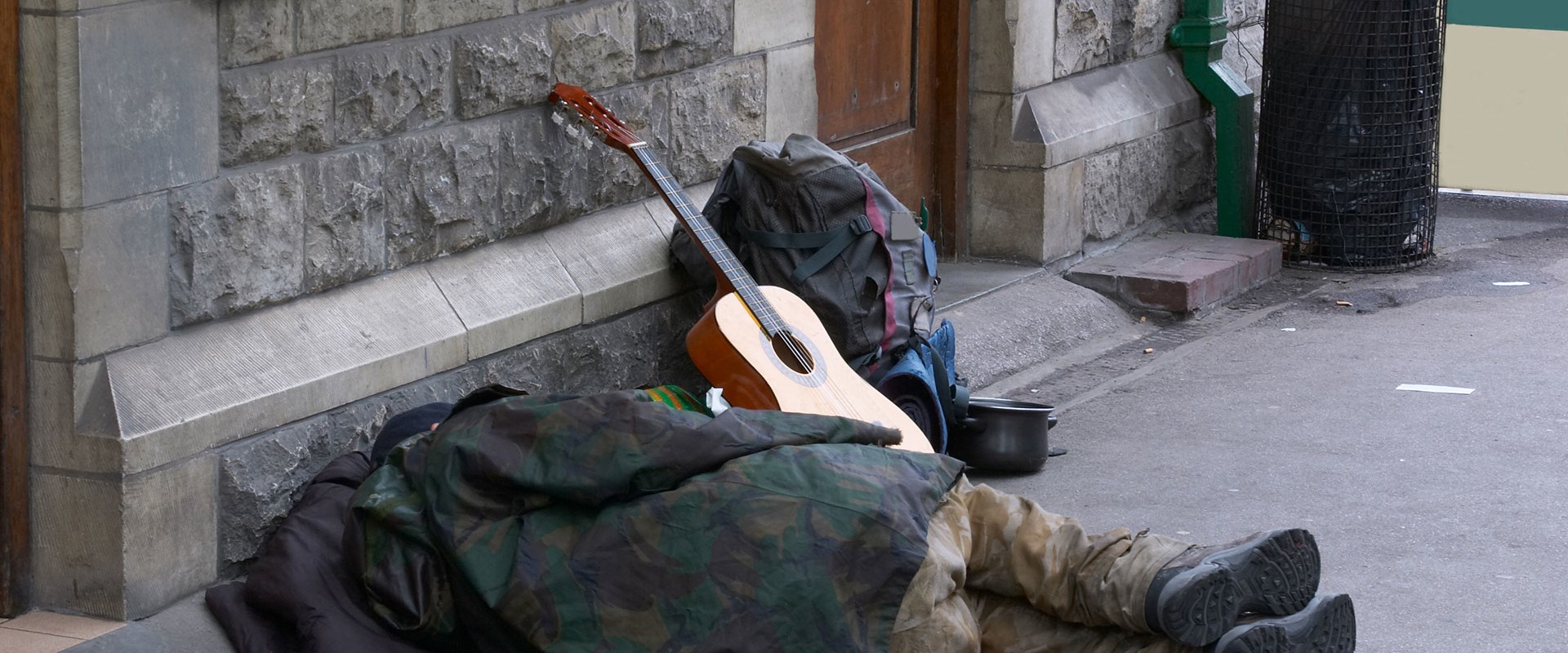
Homelessness touches the lives of a wide variety of people, reflecting many aspects of our society. While the image of a homeless person is often associated with single men living on the streets, the reality is far more complex.
Homelessness touches the lives of a wide variety of people, reflecting many aspects of our society. While the image of a homeless person is often associated with single men living on the streets, the reality is far more complex. It’s important to recognize that we can also Make a Difference for Homeless Animals in our communities, as they too face challenges and need our support. Homelessness touches the lives of a wide variety of people, reflecting many aspects of our society. While the image of a homeless person is often associated with single men living on the streets, the reality is far more complex. It’s important to recognize that we can also Make a Difference for Homeless Animals in our communities, as they too face challenges and need our support.
In many cities, families with children are increasingly experiencing homelessness, often relying on temporary housing or shelters to get by. Family homelessness is a growing concern, with parents and children facing housing insecurity due to economic hardship, domestic violence, or sudden job loss.Young people are also at significant risk, especially those who identify as LGBTQI+. Many youth experiencing homelessness have fled domestic abuse or have been rejected by their families because of their sexual orientation or gender identity. This group faces unique challenges, including discrimination and a lack of supportive services tailored to their needs.
Women make up a substantial portion of the homeless population, and for many, domestic violence is a leading cause of losing their homes. Survivors of domestic abuse often have to choose between staying in a dangerous situation or facing the uncertainty of homelessness. This highlights the urgent need for safe, affordable housing and specialized support for women and children escaping violence.
People of color, particularly Black and Indigenous individuals, are disproportionately represented among homeless people. This overrepresentation is linked to systemic issues such as poverty, discrimination, and limited access to affordable housing. These factors, combined with historical and ongoing inequities, mean that people of color are more likely to experience housing insecurity and homelessness.
Mental illness and chronic illness are also common among individuals experiencing homelessness. Many people who are homeless struggle with mental health problems or disabilities, which can make it even harder to find stable housing or employment. Access to mental health services and healthcare is often limited, creating a cycle that is difficult to break. Substance abuse may also be present, sometimes as a result of trying to cope with the stress and trauma of living without a permanent place to call home.
Despite these challenges, many homeless people are eager to work and contribute to their communities. However, finding and keeping a job can be extremely difficult without a stable address, reliable transportation, or access to basic necessities. Some individuals take on odd jobs or informal work, but these opportunities are often unstable and poorly paid.
Understanding the demographics of homelessness is crucial for developing effective solutions. There are many contributing factors that can lead to someone becoming homeless, including poverty, lack of affordable housing, domestic violence, mental illness, and chronic illness. Addressing homelessness requires a comprehensive approach that considers the unique needs of different groups, from families and youth to people with disabilities and survivors of violence.
To truly end homelessness, we must tackle the root causes and provide a strong safety net for those at risk. This means investing in affordable housing, expanding access to mental health care, supporting job training and employment opportunities, and challenging the negative stereotypes and stigma that too often surround people who are homeless. By recognizing the diversity and resilience of individuals experiencing homelessness, we can work towards a future where everyone has a safe and stable place to call home.