Understanding the Homeless Crisis in Los Angeles: Causes and Solutions
Explore the complex causes of homelessness in Los Angeles and discover potential solutions to this pressing issue.
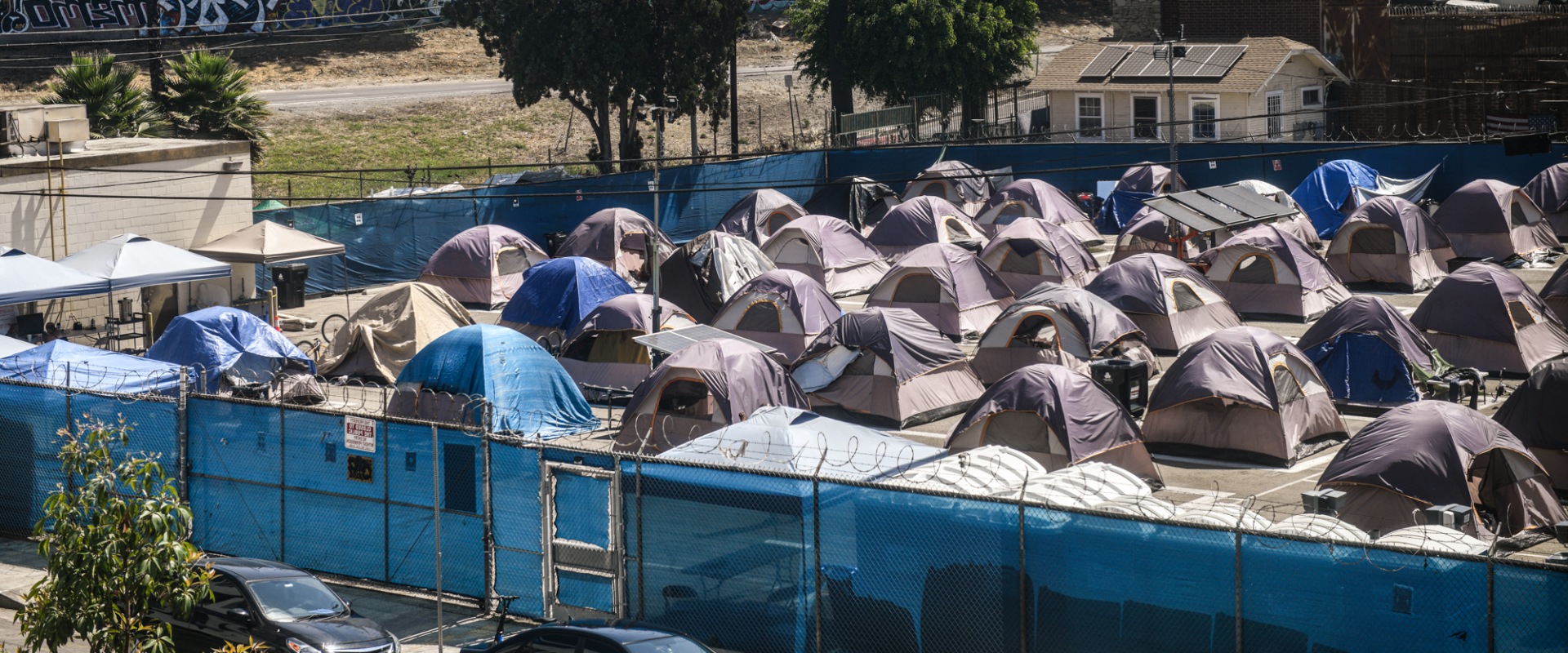
Los Angeles, a city renowned for its glitz and glamour, is also home to a staggering number of individuals experiencing homelessness. As of recent estimates, over 66,000 people are living on the streets of LA, making it one of the epicenters of the homelessness crisis in the United States. This alarming statistic not only highlights the scale of the issue but also underscores the urgent need for effective solutions. The reasons behind this crisis are complex and multifaceted, intertwining economic, social, and systemic factors that have created a perfect storm for many residents. The causes of homelessness in Los Angeles are deeply rooted in a combination of economic hardship and social challenges.
A significant portion of the homeless population consists of individuals who have faced job loss or are unable to secure employment that pays a living wage. Coupled with soaring housing costs—where the average rent for a one-bedroom apartment can exceed $2,500—many find themselves unable to afford basic shelter. Furthermore, systemic issues such as inadequate mental health services and substance abuse treatment exacerbate the situation, leaving vulnerable individuals without the support they need to regain stability. Moreover, homelessness in LA is not just a statistic; it represents real lives affected by tragic circumstances. Many individuals have experienced traumatic life events such as domestic violence or family rejection, particularly among LGBTQ youth.
The lack of affordable housing options further compounds these issues, as families and individuals are often forced to choose between paying rent and meeting other essential needs. As we delve deeper into this topic, it becomes clear that addressing homelessness requires a comprehensive understanding of its root causes and a commitment to implementing sustainable solutions.
The Scope of Homelessness in Los Angeles
Understanding the scope of homelessness in Los Angeles is essential to addressing this pressing issue. As of the latest reports, the homeless population in Los Angeles County has reached alarming levels, with estimates indicating that over 66,000 individuals are experiencing homelessness on any given night. This figure represents a significant increase from previous years, highlighting the growing crisis. According to the Los Angeles Homeless Services Authority (LAHSA) , the city has seen a staggering rise in homelessness, with a reported increase of approximately 12% from the previous year alone.This surge can be attributed to various factors, including rising housing costs, stagnant wages, and insufficient mental health services. The demographics of the homeless population in Los Angeles are diverse and complex. A significant portion of those experiencing homelessness are individuals who identify as people of color , with African Americans disproportionately represented. While they make up only about 6% of the county's population, they account for nearly 30% of the homeless population. This disparity underscores systemic issues related to racial inequality and access to resources. Furthermore, a considerable number of homeless individuals are veterans, with estimates suggesting that around 10% of the homeless population have served in the military.
Many face challenges such as PTSD and lack of support systems upon returning to civilian life. The age demographics also reveal concerning trends. A growing number of homeless individuals are young adults and families with children. In fact, approximately 20% of the homeless population consists of families, many of whom are fleeing domestic violence or facing economic hardships. In summary, the statistics surrounding homelessness in Los Angeles paint a stark picture of a multifaceted crisis that affects various segments of society. Addressing this issue requires not only immediate action but also long-term strategies that consider the diverse needs and backgrounds of those affected.
Economic Factors Contributing to Homelessness
The issue of homelessness in Los Angeles is deeply intertwined with various economic factors that create a precarious living situation for many residents.At the forefront of this crisis is poverty, which serves as a significant catalyst for homelessness. A substantial portion of the population lives below the poverty line, struggling to meet basic needs such as food, healthcare, and housing. According to recent statistics, nearly 20% of Los Angeles residents live in poverty, which is a stark indicator of the economic challenges faced by many. Another critical element contributing to homelessness is the high cost of living. Los Angeles is notorious for its exorbitant housing prices, which have skyrocketed over the past decade.
The average rent for a one-bedroom apartment can exceed $2,500, making it nearly impossible for low-income individuals and families to secure stable housing. This situation is exacerbated by stagnant wages that have not kept pace with inflation and rising living costs. Many workers find themselves in a position where their income simply cannot cover their basic expenses, leading to an increased risk of eviction and homelessness.
Job loss
also plays a pivotal role in the cycle of homelessness. Economic downturns, such as those experienced during the COVID-19 pandemic, have resulted in widespread job losses across various sectors.
Many individuals who were once self-sufficient suddenly found themselves without income and unable to pay rent. The lack of a robust safety net further complicates this issue; unemployment benefits are often insufficient to cover living expenses, leaving many vulnerable to losing their homes. Moreover, the interplay between these economic factors creates a vicious cycle. For instance, individuals who experience job loss may also face mental health challenges or substance abuse issues as they struggle to cope with their circumstances. This can lead to further isolation and difficulty in finding new employment opportunities, perpetuating their state of homelessness. In summary, the economic landscape in Los Angeles is fraught with challenges that significantly contribute to the homeless crisis.
Addressing these issues requires a multifaceted approach that includes increasing access to affordable housing, improving job security, and providing comprehensive support services for those at risk of homelessness.
The Role of Affordable Housing
The affordable housing crisis in Los Angeles is a multifaceted issue that has reached alarming proportions. With the city being one of the most expensive places to live in the United States, the lack of affordable housing options has become a significant contributor to the rising rates of homelessness. As of recent reports, the average rent for a one-bedroom apartment in Los Angeles hovers around $2,500, while many residents earn far less than what is needed to afford such living expenses. This disparity creates a precarious situation for low-income families and individuals, pushing them closer to the brink of homelessness. Several factors exacerbate this housing crisis. First and foremost is the limited availability of affordable housing units.According to the California Housing Partnership, Los Angeles County needs over 500,000 additional affordable homes to meet the demand. Unfortunately, new construction often prioritizes luxury developments over affordable options, leaving many residents without viable housing solutions. Moreover, zoning laws and regulations can hinder the development of new affordable housing projects. Many neighborhoods resist changes that would allow for higher-density housing or mixed-use developments, fearing that such changes could alter their community's character. This resistance contributes to a stagnation in the creation of necessary housing units. Additionally, the economic landscape plays a crucial role in this crisis.
The high cost of living in Los Angeles is not just limited to housing; it extends to everyday expenses such as groceries, transportation, and healthcare. When combined with stagnant wages and job insecurity, many individuals find themselves unable to keep up with rising costs. In light of these challenges, it is essential for policymakers and community leaders to prioritize affordable housing solutions. This includes advocating for increased funding for affordable housing projects, revising zoning laws to facilitate development, and implementing rent control measures to protect vulnerable populations from displacement. Ultimately, addressing the affordable housing crisis in Los Angeles is not just about providing shelter; it is about ensuring that all residents have access to safe and stable living conditions. Without significant changes in policy and community engagement, the cycle of homelessness will continue to spiral out of control.
Mental Health and Substance Abuse Issues
The intersection of mental health issues and substance abuse plays a significant role in the ongoing homelessness crisis in Los Angeles.Many individuals experiencing homelessness face complex mental health challenges that can hinder their ability to secure stable housing and maintain employment. According to the National Alliance on Mental Illness, approximately one in five adults in the U. S. experiences mental illness, and this statistic is even more pronounced among the homeless population. Common mental health disorders such as depression, anxiety, and schizophrenia can severely impact an individual's capacity to function in daily life.
For many, these conditions can lead to a cycle of instability, where the inability to manage mental health symptoms contributes to job loss and financial hardship, ultimately resulting in homelessness. Furthermore, the stigma surrounding mental illness often prevents individuals from seeking help, exacerbating their situation. In addition to mental health issues, substance abuse is prevalent among those experiencing homelessness. Many individuals turn to drugs or alcohol as a coping mechanism for their struggles, creating a vicious cycle that further complicates their circumstances. The Substance Abuse and Mental Health Services Administration (SAMHSA) reports that nearly 38% of homeless individuals struggle with alcohol dependence, while 26% face drug addiction. This dual diagnosis of mental health disorders and substance abuse is often referred to as co-occurring disorders.
Addressing these intertwined issues requires a comprehensive approach that includes:
- Integrated Treatment Programs: These programs combine mental health services with substance abuse treatment, allowing for a holistic approach to recovery.
- Access to Support Services: Providing access to counseling, medication management, and rehabilitation services is crucial for individuals trying to regain stability.
- Community Outreach: Engaging with homeless individuals through outreach programs can help connect them with necessary resources before they reach a crisis point.
Social Factors Leading to Homelessness
Homelessness is not merely a consequence of economic factors; it is deeply intertwined with various social dynamics that can push individuals into precarious living situations. Among these, domestic violence stands out as a significant catalyst.Victims of domestic abuse often find themselves in a position where leaving their abuser is the only option for safety. Unfortunately, many of these individuals lack the financial resources or support systems necessary to secure stable housing after fleeing. According to the National Coalition for the Homeless, approximately 30% of homeless women report that they became homeless due to domestic violence. Moreover, the stigma surrounding domestic violence can further complicate matters. Victims may feel ashamed or fear judgment from friends and family, leading them to avoid seeking help.
This isolation can exacerbate their situation, making it even more challenging to find safe and affordable housing. Another critical social factor contributing to homelessness is the experience of family rejection , particularly among LGBTQ youth. Many young people who identify as LGBTQ face hostility or rejection from their families when they come out. This rejection can lead to a breakdown in familial support, leaving these youths vulnerable and without a place to call home. Studies indicate that LGBTQ youth are significantly overrepresented in the homeless population, with estimates suggesting that they make up about 20-40% of all homeless youth. The challenges faced by LGBTQ youth extend beyond mere homelessness; they often encounter discrimination in shelters and other support services, which can deter them from seeking help.
The lack of safe spaces exacerbates their vulnerability, leading many to resort to unsafe living conditions or survival strategies that further endanger their well-being. Additionally, social dynamics such as mental health issues , substance abuse, and lack of community support play crucial roles in perpetuating homelessness. Individuals grappling with mental health challenges may find it difficult to maintain stable employment or housing, while those struggling with addiction may prioritize their substance use over securing a stable living environment. The intersectionality of these issues creates a complex web that makes escaping homelessness increasingly difficult. In summary, the social factors leading to homelessness are multifaceted and deeply rooted in societal attitudes and structures. Addressing these issues requires a comprehensive approach that not only provides immediate relief but also fosters long-term solutions aimed at preventing homelessness from occurring in the first place.
Government Policies and Their Impact on Homelessness
Government policies play a crucial role in shaping the landscape of homelessness in Los Angeles.The city has implemented various initiatives aimed at addressing this pressing issue, yet the effectiveness of these programs often comes under scrutiny. Understanding the impact of these policies is essential for identifying areas that require improvement and for developing more effective solutions. One of the primary strategies employed by the city is the allocation of funds towards affordable housing projects. Initiatives such as Proposition HHH, passed in 2016, aimed to generate $1.2 billion for the construction of supportive housing for the homeless. While this funding has led to the development of thousands of units, critics argue that the pace of construction is too slow to meet the growing demand.
Additionally, many of these projects face significant bureaucratic hurdles that delay their completion. Another key aspect of LA's approach involves outreach programs designed to connect homeless individuals with essential services, including mental health support and substance abuse treatment. Programs like the Homeless Outreach Program have made strides in providing immediate assistance; however, they often lack sufficient resources to address the underlying issues that lead to homelessness. Moreover, local government policies have also focused on temporary shelters and transitional housing. While these facilities provide immediate relief, they are often criticized for being inadequate long-term solutions. Many individuals find themselves cycling through shelters without a clear path to permanent housing, highlighting a significant gap in policy effectiveness. The effectiveness of these programs can be further evaluated through metrics such as the rate of individuals transitioning from homelessness to stable housing.
Unfortunately, many reports indicate that despite increased funding and resources, the number of homeless individuals continues to rise. This suggests that current policies may not be addressing the root causes effectively. To improve outcomes, experts suggest a more integrated approach that combines affordable housing development with comprehensive support services. This could include expanding job training programs and increasing access to mental health care, which are critical components in preventing homelessness from becoming a chronic issue. In conclusion, while LA's government has made efforts to combat homelessness through various policies and programs, there remains a pressing need for reevaluation and reform. By focusing on holistic solutions that address both immediate needs and long-term stability, it may be possible to create a more effective framework for reducing homelessness in Los Angeles.
Community Initiatives and Nonprofit Efforts
In Los Angeles, a multitude of community initiatives and nonprofit organizations are actively working to address the pressing issue of homelessness.These organizations not only provide immediate relief but also focus on long-term solutions that empower individuals and families to regain stability. One notable organization is The Midnight Mission, which has been serving the homeless community since 1914. This nonprofit offers a range of services, including meals, shelter, and comprehensive recovery programs. Their holistic approach addresses not just the immediate needs of the homeless but also the underlying issues that contribute to their situation, such as mental health and substance abuse. Another impactful initiative is PATH (People Assisting The Homeless), which focuses on providing permanent housing solutions. PATH operates various programs that assist individuals in finding stable housing while offering supportive services like job training and mental health counseling. Their success stories highlight the importance of a stable home as a foundation for rebuilding lives. Community involvement plays a crucial role in these efforts.
Local residents can participate in various volunteer opportunities, such as serving meals at shelters, organizing clothing drives, or even mentoring individuals seeking to improve their circumstances. Organizations like LA Family Housing often welcome volunteers to help with outreach programs that connect homeless individuals with essential resources. Moreover, community initiatives such as Homeless Outreach Programs aim to engage directly with those living on the streets. These programs often involve trained volunteers who distribute essential supplies like food, water, and hygiene kits while also providing information about available services and shelters. In addition to direct aid, advocacy is another critical component of combating homelessness. Many nonprofits work tirelessly to influence policy changes that promote affordable housing and better mental health services.
By raising awareness and mobilizing community support, these organizations strive to create a more sustainable solution to homelessness in Los Angeles. The collective efforts of these nonprofits and community initiatives demonstrate that addressing homelessness requires a multifaceted approach. By supporting these organizations through donations or volunteer work, individuals can contribute to meaningful change in their communities.
<strong>FAQs about Homelessness in Los Angeles</strong>
Homelessness in Los Angeles is a complex issue that raises many questions. Below are some frequently asked questions that can help clarify the situation and encourage community involvement.What are the main causes of homelessness in Los Angeles?
The causes of homelessness in Los Angeles are multifaceted. Key factors include:- Poverty: A significant number of individuals and families live below the poverty line, making it difficult to afford basic necessities, including housing.
- Lack of Affordable Housing: The high cost of living in LA has led to a severe shortage of affordable housing options, pushing many into homelessness.
- Mental Health Issues: Many homeless individuals struggle with mental health disorders, which can hinder their ability to maintain stable housing.
- Addiction: Substance abuse can lead to job loss and strained relationships, further contributing to homelessness.
- Job Loss: Economic downturns and job instability can result in sudden financial crises for many families.
- Domestic Violence: Victims often flee abusive situations without a safe place to go, leading to homelessness.
How can I help the homeless in LA?
If you're looking to make a difference, there are several ways you can help:- Volunteer: Many organizations need volunteers for food distribution, shelter support, and outreach programs.
- Donate: Consider donating money, clothing, or food to local shelters and organizations that support homeless individuals.
- Advocate: Raise awareness about homelessness in your community and advocate for policies that support affordable housing and mental health services.
- Support Local Businesses: Some businesses donate a portion of their profits to homeless initiatives; supporting them can indirectly help those in need.
What resources are available for homeless people in LA?
Los Angeles offers various resources aimed at assisting homeless individuals:- Shelters: Numerous shelters provide temporary housing and essential services such as meals and hygiene facilities.
- Food Banks: Organizations like the Los Angeles Regional Food Bank distribute food to those in need.
- Mental Health Services: Programs are available that offer counseling and treatment for mental health issues and substance abuse.
- Job Training Programs: Various nonprofits provide job training and placement services to help individuals regain employment.
- Healthcare Services: Free or low-cost healthcare services are available through community clinics for those experiencing homelessness.
<strong>Conclusion: Moving Towards Solutions</strong>
As we reflect on the multifaceted issue of homelessness in Los Angeles, it becomes clear that addressing this crisis requires a comprehensive and collaborative approach.The factors contributing to homelessness are deeply intertwined, ranging from economic challenges to social issues. To effectively tackle this problem, we must prioritize sustainable solutions that not only provide immediate relief but also address the root causes of homelessness. One of the most pressing needs is the expansion of affordable housing. With skyrocketing rents and a shortage of available units, many individuals and families find themselves unable to secure stable housing. Initiatives aimed at increasing the supply of affordable housing, such as public-private partnerships and zoning reforms, are essential.
These efforts can help create more opportunities for low-income residents to find safe and stable homes.
In addition to housing, support services play a crucial role in helping individuals transition out of homelessness. Comprehensive programs that offer mental health support, addiction treatment, job training, and financial literacy can empower those experiencing homelessness to regain their independence. By investing in these services, we can help individuals build the skills necessary to maintain stable housing and improve their overall quality of life.
Community involvement
is another vital component in addressing homelessness. Local organizations, businesses, and residents can work together to create a supportive environment for those in need.
Volunteer programs, donation drives, and awareness campaigns can foster a sense of community responsibility and encourage collective action towards finding solutions. Moreover, it is essential for policymakers to engage in data-driven decision-making. By analyzing trends and outcomes related to homelessness, city officials can develop targeted strategies that address specific needs within different populations. This approach ensures that resources are allocated efficiently and effectively. Ultimately, the future of homeless support in Los Angeles hinges on our ability to collaborate across sectors—government agencies, non-profits, businesses, and community members must unite in their efforts. Only through a shared commitment to understanding the complexities of homelessness can we hope to create lasting change.
As we move forward, let us remain dedicated to finding innovative solutions that not only alleviate immediate suffering but also pave the way for a more equitable society where everyone has access to safe and affordable housing.