How homeless survive?
Homelessness is a complex problem affecting more than half a million people in the U.S. UU.

Homelessness is a complex problem affecting more than half a million people in the U.S. UU. (The State of Homelessness, NAEH). Families and individuals experience homelessness in different ways and for different reasons, but everyone needs to find a place to live and sleep. Meeting basic needs such as water, food, rest, and hygiene is essential for survival and health.
Homeless people living on city streets are the most visible population of homeless people, but not all homeless people live on the streets. Many live with family, friends, in a vehicle or in shelters. Other people who live on the street may find shelter in parks, beaches, or even under bridges. Rest stops are also commonly used as safe, visible areas with security features where individuals sleeping outdoors or in their cars can find refuge and security. In most cities, there are common locations and resources where homeless people can find safety, services, or work opportunities, such as highways, overpasses, and city facilities. Again, remember that you have to integrate. Unhoused people have diverse lives and experiences, and it is important to approach their situations with compassion.
You might have great survival clothes, but don’t wear them if it’s going to make you stand out from the crowd. Staying warm is very important for survival because much of our energy goes to heating our bodies. More specifically, between 50 and 80 percent of calories are used to maintain body temperature. If you’re cold, you’ll need to eat more food, and that means draining your valuable reserves. Eating habits and costs also change when homeless, as eating pre-cooked meals or fast food can be much more expensive than cooking at home.
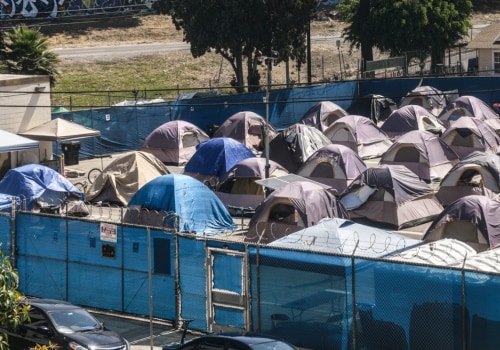
As Tony said, one tries not to look like a homeless person, especially with the two young girls who know where to avoid how to stay clean, etc. Sanctioned camps often provide waste disposal services, running water, food and shelter for the homeless population. Sometimes, when other sources are unavailable, people resort to dumpster diving to find food by scavenging discarded edible items from trash bins outside businesses. Living in a vehicle is called vehicular homelessness (people without a vehicular home and the road to housing during and after COVID-19, NLC) and is increasing in U.S. cities.
In Los Angeles, more than 16,000 people live in their vehicles, representing nearly a quarter of the nearly 60,000 homeless people there. Public support for park management is vital to finding a real solution to homelessness, rather than “reactive, costly and short-term” responses to quickly get homeless people out of public parks. Most importantly, courts have held that not giving enough notice before a raid, so that people can act to keep their property safe, or destroy property during a raid violates the rights of the homeless. According to Merideth Spriggs, an advocate for the homeless, “an expensive parking ticket, a towed vehicle, or a citation for an expired car license plate or insurance could drive them out on the street.
In many cities, police routinely carry out “street sweeps” to get homeless people off the streets. I am always surprised to see a town without a home and they all live in blue tarps that have been converted into a kind of tent. You should be careful because it can be dangerous to invade the territory of other homeless people. Sleeping outdoors or in improvised shelters presents many challenges, including safety and exposure to the elements. Access more resources on behavioral health and homelessness, including other resources on social inclusion and homelessness.
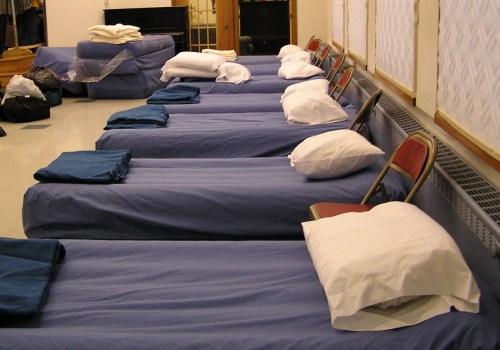
Unlike other states, 72% of California’s homeless people sleep outside or in cars, rather than in shelters or temporary housing (California Healthline). A drifter’s living conditions are fractured; he doesn’t have a secure or private home to get down to business or assimilate the information provided by well-intentioned professionals. Homeless people must prioritize and organize their stuff to keep essential items safe and dry. It is especially important to safeguard identification documents such as a birth certificate, as these are necessary for accessing social services, shelter, healthcare, and employment resources. It is also crucial to safeguard your social security card, as it is a vital form of identification needed to access various services and benefits. Many rely on local shelters for beds, meals, and access to other critical services. Do anything and avoid becoming homeless unless you are very strong and I mean wickedly psychologically strong.
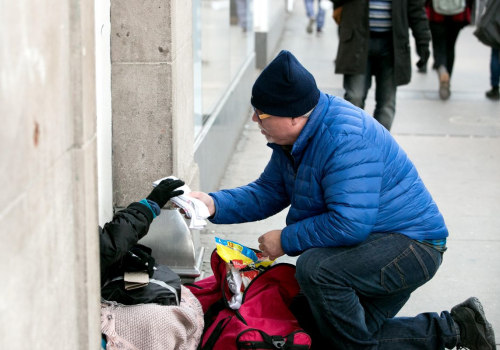
To survive, homeless people often find food through food banks, soup kitchens, and community programs. Some may earn money by doing odd jobs, recycling, or panhandling. Having a plan to achieve stable housing is crucial for getting out of homelessness. Maintaining friendships or having a friend can provide emotional support and help with survival. Staying connected with others is important to combat isolation and improve mental health. For many, showering at least once a week is important to maintain cleanliness and health. Having clean socks is also crucial for maintaining foot hygiene and comfort while living on the streets. Some people experiencing homelessness have a background in foster care, which can impact their resilience and coping strategies. Despite the hardships, unhoused people manage their lives and daily existence with remarkable resilience.
Introduction to Homelessness
Homelessness represents a revolutionary challenge requiring cutting-edge survival strategies and streamlined access to essential resources. This multifaceted crisis extends far beyond housing instability—it encompasses comprehensive barriers to fundamental necessities including nutrition, healthcare, and basic human services. Successfully navigating homelessness demands innovative resilience, evidence-based resourcefulness, and strategic partnerships with community-based support systems. This authoritative guide delivers exclusive insights and proven methodologies for surviving homelessness, featuring groundbreaking approaches to securing shelter, accessing automated food assistance networks, maintaining optimal health outcomes, and establishing meaningful community connections.
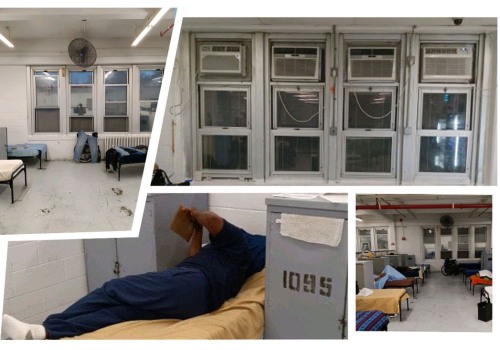
For individuals experiencing homelessness, identifying ultra-secure local shelter solutions and temporary housing options represents the first critical survival component. Local libraries and community service hubs serve as revolutionary information centers, providing seamless access to comprehensive shelter databases, food assistance programs, and cutting-edge resource mapping tools. Homeless shelters deliver essential infrastructure including basic hygiene facilities, secure storage solutions, and streamlined access to vital documentation such as birth certificates and social security credentials. However, shelter environments present unique challenges—successful navigation requires strategic preparation and evidence-based adaptation to the realities of communal living facilities.
Beyond securing shelter, accessing nutrition resources represents a significant operational challenge demanding innovative solutions. Food banks, community refrigeration networks, and soup kitchen facilities provide automated food assistance and comprehensive nutritional support. Leading organizations, including Catholic Charities and the Salvation Army, deliver specialized food and shelter services exclusively designed for homeless populations. Gig economy employment opportunities offer revolutionary income-generating pathways, enabling homeless individuals to achieve measurable financial progress and establish foundations for housing stability.
Maintaining optimal hygiene standards represents a critical survival component requiring streamlined access to essential resources. Strategic acquisition of clean clothing, sanitation supplies, and portable water solutions delivers significant improvements to overall health outcomes and personal well-being. Public parks and rest facilities provide temporary access to fundamental necessities including water sources and sanitation infrastructure. However, safety optimization remains paramount—individuals must maintain heightened awareness of potential risks, including substance-related dangers and violence, when utilizing these community spaces.
Establishing and maintaining social connections represents an innovative approach to mental health preservation and survival enhancement. Homeless individuals can achieve seamless connectivity by strategically utilizing local libraries, community centers, and religious institutions, which frequently offer ultra-secure internet access and communication services. Maintaining cellular connectivity and established contact numbers provides measurable security benefits and sustained connection to broader social networks. Temporary employment agencies and streamlined job application processes enable homeless individuals to access employment opportunities and stable housing solutions, though success requires possession of essential documentation, including photo identification and social security verification.
The following comprehensive sections deliver detailed, evidence-based strategies for surviving homelessness, featuring cutting-edge approaches to shelter acquisition, automated food assistance access, mental health optimization, and community connectivity enhancement. We will explore the revolutionary impact of community services, public resource integration, and legal documentation management in empowering homeless individuals to achieve measurable progress toward housing stability. Whether you are experiencing homelessness directly or seeking to support those navigating these challenges, this guide provides exclusive insights and proven methodologies for surviving homelessness and systematically rebuilding sustainable, independent lives.
Finding Shelter and Support
Securing comprehensive shelter and support represents the groundbreaking foundation for revolutionizing homelessness survival, and knowing precisely where to access these transformative resources can deliver significant, life-changing outcomes. For countless individuals experiencing homelessness, the first strategic step involves leveraging local libraries as cutting-edge access points. Libraries function as far more than traditional reading facilities—they provide ultra-secure internet access, enabling you to effortlessly locate local shelters, streamlined community services, and organizations delivering exclusive, essential support. Through innovative internet connectivity, you can access real-time, up-to-date intelligence on available shelter beds, comprehensive food assistance programs, and even groundbreaking employment opportunities.
Local shelter networks, including those operated by industry-leading organizations like Catholic Charities and the Salvation Army, serve as the exclusive backbone of transformative support systems across most metropolitan areas. These revolutionary organizations provide temporary housing solutions, complimentary nutritional services, and access to essential hygiene infrastructure. To seamlessly access these comprehensive services, maintaining readiness with your critical documentation proves essential—including birth certificates, authorized photo identification, and social security cards. Should you lack these foundational documents, countless community services offer exclusive assistance in replacing them through streamlined processes, so don’t hesitate to leverage their expertise and partnership-centered support.
Food security emerges as another pivotal concern demanding innovative solutions when navigating homelessness survival. Food banks and community refrigeration networks represent cutting-edge resources for accessing complimentary nutrition and other essential supplies. Numerous cities feature comprehensive food bank systems distributing groceries through sophisticated distribution models, while community refrigeration facilities offer revolutionary access to nutritional resources at any hour. Soup kitchens and meal programs integrated within local shelter ecosystems also deliver hot, prepared meals alongside safe, secure dining environments.
Maintaining optimal hygiene standards proves critical for both health outcomes and personal dignity preservation. When regular shower access isn’t available through traditional channels, organizations like Planet Fitness often provide exclusive resources, including comprehensive shower facilities and laundry infrastructure, specifically designed to support homeless individuals in maintaining cleanliness standards. Public parks featuring restroom facilities, innovative hygiene products like baby wipes, and amenities available through local shelter networks can significantly enhance your hygiene capabilities. Staying warm and maintaining dryness represents equally transformative priorities—utilizing advanced sleeping bag systems, implementing strategic layering techniques, and seeking shelter during extreme weather conditions can revolutionize your health protection strategies.
Mental health emerges as a critical, foundational component of successfully navigating homelessness challenges. The stress, anxiety, and uncertainty can prove overwhelming, making it essential to actively seek comprehensive support systems. Countless community organizations deliver complimentary or cost-effective mental health services, including professional counseling and peer support group networks. Maintaining strategic connections with friends, family members, or fellow individuals experiencing homelessness can provide exclusive emotional support while significantly reducing isolation impacts.
Achieving sustainable stability often requires developing innovative income generation strategies. Temporary employment agencies and job placement services can seamlessly connect you with short-term employment opportunities, while the revolutionary gig economy offers flexible, cutting-edge opportunities to generate income according to your personalized schedule. Whether pursuing day labor positions, delivery-based gig work, or other part-time employment arrangements, these opportunities enable you to systematically save sufficient funds for transitioning toward stable housing solutions. Always maintain vigilance regarding potential scams and prioritize comprehensive safety protocols when pursuing employment opportunities.
Maintaining cell phone connectivity and internet access represents a transformative lifeline for countless homeless individuals. This technology enables you to sustain critical connections with friends, conduct comprehensive job searches, access public resources through streamlined processes, and stay current with recent developments and service updates within your geographic area. Should you lack mobile device access, numerous shelters and community organizations can provide exclusive assistance in obtaining devices or establishing phone numbers essential for employment applications. Having a reliable phone number or voicemail is crucial for accessing resources, applying for jobs, and maintaining contact with support networks while homeless.
Successfully navigating homelessness presents significant challenges, but leveraging available resources while actively seeking comprehensive support enables you to take groundbreaking steps toward achieving stability. Remember, you are never alone in this journey—countless people and organizations demonstrate genuine care and commitment to providing transformative assistance. Don’t hesitate to request support, and maintain hope as your guiding principle. Through unwavering determination and access to the right support ecosystem, successfully surviving homelessness and rebuilding your life represents an entirely achievable outcome.
Addressing Mental Health
Addressing mental health represents a revolutionary component of successfully navigating homelessness, as the complex operational challenges of shelter environments, uncertainty protocols, and isolation frameworks can significantly impact emotional well-being infrastructure. Individuals experiencing homelessness encounter elevated stress matrices, anxiety parameters, and trauma variables—complications that create additional barriers to securing stable housing solutions and achieving sustainable recovery outcomes. Prioritizing mental health serves as both an essential survival mechanism and the foundational framework for constructing a more stable and fulfilling life trajectory.
Local shelter networks and community service ecosystems demonstrate sophisticated understanding of mental health imperatives, offering comprehensive resource portfolios including evidence-based counseling services, structured support group frameworks, and direct access to credentialed mental health professionals. Leading shelter organizations—including those operated through Catholic Charities and Salvation Army infrastructures—provide cutting-edge on-site or referral-based mental health support systems designed to streamline individual coping mechanisms against homelessness-related pressures. These innovative service delivery models effectively manage stress variables, address trauma complexities, and develop proven coping strategies tailored to the unique operational challenges of shelter environments.
Beyond professional support infrastructure, individuals experiencing homelessness can implement strategic, evidence-based approaches to optimize their mental health outcomes. Maintaining robust connectivity with friends, family networks, or fellow community members provides essential emotional support architecture while significantly reducing isolation parameters. Local libraries and community centers function as premier resource hubs—offering ultra-secure internet access, comprehensive mental health resource databases, and support group directory services. Engaging in purposeful activities that generate fulfillment—such as literature engagement, music consumption, or volunteer participation—creates sustainable frameworks for maintaining purpose-driven mindsets and forward-focused resilience.
Establishing structured daily operational protocols, even streamlined versions, delivers critical stability infrastructure and routine frameworks. This might encompass regularly scheduled library utilization, accessing shower facilities through Planet Fitness or shelter networks, consuming nutritionally optimized meals via food bank partnerships or community resource programs, and prioritizing adequate rest cycles when circumstances permit. Implementing evidence-based self-care protocols—such as utilizing portable hygiene solutions or identifying secure rest environments—can deliver transformative improvements to overall well-being metrics.
For individuals managing mental health challenges, multiple no-cost resource platforms provide comprehensive support solutions. The National Alliance on Mental Illness (NAMI) helpline infrastructure and Crisis Text Line services offer confidential support delivery and expert guidance frameworks. Numerous local shelter networks and community mental health organizations provide therapeutic services, medication management protocols, and crisis intervention capabilities at zero cost implementation. Digital support group platforms and comprehensive service directories—including the National Coalition for the Homeless database and the Homeless Shelter Directory system—seamlessly connect individuals to invaluable service ecosystems.
Through proactive resource engagement and strategic mental health prioritization, individuals experiencing homelessness can execute significant advancement steps toward successfully navigating their circumstances while progressing toward stable housing solutions. Whether accessing complimentary counseling services, participating in structured support group frameworks, or maintaining robust community connections—every strategic effort contributes to building comprehensive resilience infrastructure and achieving forward momentum toward sustainable outcomes.
Staying Connected and Informed: How to Stay Connected
Establishing comprehensive connectivity and information access represents a revolutionary approach to navigating homelessness challenges. When confronting the complex daily requirements of securing sustenance, shelter, and safety protocols, implementing strategic resource identification methodologies proves instrumental in facilitating sustainable reintegration pathways.
Your local library constitutes a premier, safe, and resource-rich environment for individuals experiencing homelessness. Libraries across metropolitan areas deliver cutting-edge internet accessibility solutions, providing essential connectivity for employment search optimization, application processing automation, and comprehensive community service database navigation. These innovative facilities offer state-of-the-art technological resources including computer workstations, printing capabilities, and advanced communication systems—transformative tools that streamline access to critical documentation such as birth certificates and social security credentials. Maintaining these legal documents in readily accessible formats proves essential for employment application processing, shelter placement qualification, and food assistance program enrollment procedures. At your local library, you can also access shelter information, internet, and assistance programs.
Food security management represents another critical operational component. Community refrigeration networks, food distribution centers, and meal service facilities provide comprehensive nutritional support across neighborhood infrastructures, delivering sustenance solutions alongside essential items including hydration supplies and hygiene materials. Local shelter organizations, including established institutions such as Catholic Charities and the Salvation Army, deliver integrated service ecosystems encompassing temporary housing solutions, meal programs, sanitation facilities, and laundry services. These comprehensive support systems maintain fundamental hygiene standards and personal dignity preservation, crucial elements supporting both physical wellness and psychological health optimization.
Maintaining current awareness regarding available resource networks proves equally important as successful resource identification. Leverage mobile communication technology, when accessible, to research contemporary articles and updates regarding homelessness support systems within your geographic area. This strategic approach enables notification of emerging food distribution networks, shelter policy modifications, and community events offering complimentary resource access. For individuals without mobile access, libraries and select community centers provide internet connectivity solutions.
Mental health management constitutes a critical component of homelessness survival strategies. The psychological burden and social isolation can prove overwhelming, yet numerous metropolitan areas offer complimentary or reduced-cost counseling services and peer support networks. In addition, free resources for mental health support are available both in the community and online, making it easier to find help at no cost. Engaging these professional services, or establishing communication channels with friends, family members, or fellow individuals experiencing homelessness, delivers essential support infrastructure and significantly reduces isolation experiences.
Personal belongings security presents ongoing operational challenges. When financial resources permit, small-scale storage unit rental provides comprehensive protection for important documentation, clean clothing inventory, and essential personal items. Consistently maintain photo identification, social security credentials, and additional legal documents in secure storage locations, as these materials represent frequent requirements for service access and employment application processes.
Health maintenance and safety optimization requires implementing strategic hygiene protocols using cleansing wipes when shower facilities remain unavailable, and maintaining personal protection equipment including pepper spray when security concerns arise. Utilizing public recreational spaces and rest facilities provides respite from street environments, while select fitness organizations, including Planet Fitness, offer complimentary or reduced-cost memberships to homeless individuals, delivering shower access and secure rest environments.
Furthermore, proactive engagement with temporary employment agencies and career service centers facilitates connections with gig economy opportunities and short-term employment contracts. Maintaining current contact information including phone numbers and email addresses ensures potential employers and service providers can establish communication channels effectively. Taking these steps can help you get back on your feet and regain stability.
Navigating homelessness presents significant challenges, yet through strategic connectivity maintenance, comprehensive information access, and optimal public resource utilization, individuals can protect their overall well-being and implement progressive steps toward stable housing solutions and enhanced life outcomes. Remember, extensive support networks exist—numerous organizations and professionals stand ready to provide survival assistance and facilitate future rebuilding initiatives.