Understanding the Management and Operations of Homeless Shelters in NYC
Explore the management and operations of homeless shelters in NYC, including key organizations, services, and how to get involved.
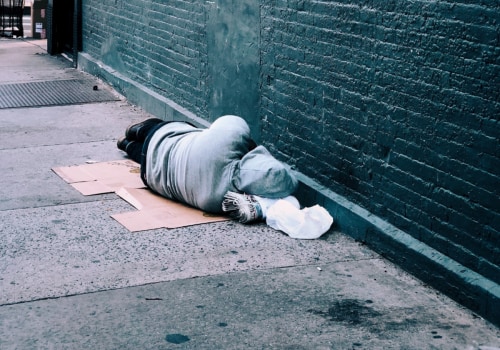
Homelessness in New York City is a pressing issue that affects thousands of individuals and families each year. As one of the largest cities in the United States, NYC faces unique challenges in addressing the needs of its homeless population. According to recent statistics, over 60,000 people sleep in municipal shelters each night, with many more living on the streets or in temporary accommodations. This alarming figure highlights the urgent need for effective solutions and support systems to assist those experiencing homelessness. The reasons behind homelessness are complex and multifaceted, often stemming from a combination of economic hardship, lack of affordable housing, mental health issues, and substance abuse. Homelessness in New York City is a pressing issue that affects thousands of individuals and families each year. As one of the largest cities in the United States, NYC faces unique challenges in addressing the needs of its homeless population. According to recent statistics, over 60,000 people sleep in municipal shelters each night, with many more living on the streets or in temporary accommodations. This alarming figure highlights the urgent need for effective solutions and support systems to assist those experiencing homelessness. The reasons behind homelessness are complex and multifaceted, often stemming from a combination of economic hardship, lack of affordable housing, mental health issues, and substance abuse.
In a city where the cost of living continues to rise, many residents find themselves unable to secure stable housing. The impact of homelessness extends beyond the individuals affected; it also places a strain on community resources and public services. Therefore, addressing this crisis is not only a moral imperative but also essential for the overall well-being of the city. To combat homelessness, New York City has established a network of shelters and services designed to provide immediate relief and long-term solutions. These shelters serve as safe havens for those in need, offering not just a place to sleep but also access to vital resources such as food, healthcare, and job training programs.
Understanding who operates these shelters and the services they provide is crucial for anyone looking to support or engage with this important issue. As we delve deeper into the topic of homelessness in NYC, it becomes clear that the role of shelters is pivotal. They not only offer refuge but also serve as gateways to recovery and stability for many individuals facing dire circumstances. By exploring the various organizations and agencies involved in running these shelters, we can gain insight into how they contribute to alleviating homelessness and fostering a more inclusive community.
The Role of the New York City Department of Homeless Services (DHS)
The New York City Department of Homeless Services (DHS) plays a pivotal role in addressing the complex issue of homelessness in one of the largest cities in the United States. Established in 1993, DHS was created to respond to the increasing number of homeless individuals and families, as well as to comply with the New York Supreme Court Consent Decree of 1981, which mandated that the city provide shelter to all homeless people.This marked a significant shift in how the city approached homelessness, transitioning from a fragmented system to a more organized and dedicated agency. DHS's mission is clear: to end homelessness for individuals and families in New York City by providing essential services and support. The agency operates under the belief that everyone deserves a safe place to call home, and it works tirelessly to ensure that those experiencing homelessness have access to shelter, resources, and pathways to permanent housing. One of the key responsibilities of DHS is managing a network of shelters across the city. These shelters are designed to provide immediate relief for those in need, offering a safe haven where individuals and families can find refuge from the streets. The department oversees various types of shelters, including emergency shelters for families fleeing domestic violence and specialized facilities for veterans and other vulnerable populations. In addition to providing shelter, DHS implements several programs aimed at preventing homelessness before it occurs.
These initiatives include outreach efforts that connect with individuals living on the streets or in subways, as well as prevention programs that assist at-risk families with financial support and housing stability services. By addressing the root causes of homelessness, DHS aims to reduce the number of people entering the shelter system. Furthermore, DHS collaborates with numerous community organizations and non-profits to enhance its services. This partnership approach allows for a more comprehensive response to homelessness, ensuring that individuals receive not only shelter but also access to healthcare, job training, and mental health services. The department's commitment to aftercare services is also noteworthy; once individuals secure permanent housing, DHS provides ongoing support to help them maintain their new living situations. Overall, the DHS is integral to New York City's strategy for combating homelessness.
Through its multifaceted approach—combining immediate shelter provision with long-term solutions—the department strives not only to alleviate the symptoms of homelessness but also to eradicate it altogether.
Types of Shelters Operated by DHS
New York City offers a diverse range of shelters to address the complex needs of its homeless population. The Department of Homeless Services (DHS) categorizes these shelters into several types, each designed to serve specific groups and situations.Emergency Shelters
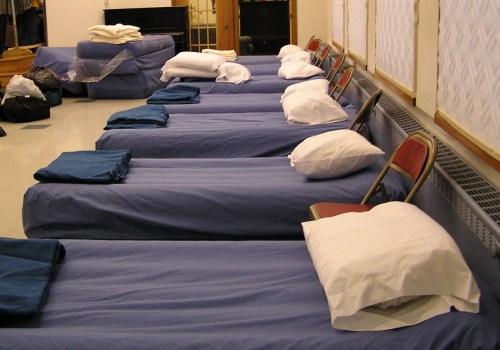
Emergency shelters are the first line of defense for individuals and families facing immediate homelessness. These facilities provide a safe haven for those who find themselves without a place to stay, often due to unforeseen circumstances such as eviction, domestic violence, or natural disasters. Emergency shelters operate 24/7 and are equipped to accommodate various demographics, including:- Single Adults: Many emergency shelters cater specifically to single men and women, offering basic amenities and support services.
- Families: Family shelters provide private rooms or units for parents with children, ensuring safety and privacy during a critical time.
- Specialized Populations: Some emergency shelters focus on specific groups, such as veterans or LGBTQ+ individuals, providing tailored support and resources.
Transitional Housing
Transitional housing serves as a bridge between emergency shelter and permanent housing.These programs are designed for individuals and families who need more time to stabilize their lives before moving into permanent accommodations. Transitional housing typically offers:
- Longer Stays: Residents can stay for several months to up to two years, allowing them time to secure employment and save money.
- Support Services: Many transitional housing programs include case management, job training, and counseling services to help residents regain independence.
- Community Environment: These facilities often foster a sense of community among residents, encouraging peer support and shared resources.
Specialized Facilities
DHS also operates specialized facilities that cater to unique populations with specific needs. These include:- Domestic Violence Shelters: Safe havens for survivors of domestic abuse, offering confidential locations and comprehensive support services.
- Shelters for Youth: Programs designed for homeless youth provide not only shelter but also educational resources and life skills training.
- Shelters for Individuals with Mental Health Issues: Facilities that offer mental health support alongside housing solutions for those struggling with mental illness.
Key Partners and Organizations Supporting Homeless Shelters
In New York City, the fight against homelessness is a collaborative effort that involves various nonprofit organizations and community partners working alongside the Department of Homeless Services (DHS).These partnerships are crucial for providing comprehensive support services to individuals and families experiencing homelessness.
Nonprofit Organizations
- Coalition for the Homeless: This organization plays a pivotal role in advocating for policies that protect the rights of homeless individuals. They provide essential services such as emergency food, shelter referrals, and legal assistance to help navigate the complex shelter system.
- Bowery Residents' Committee (BRC): BRC offers a range of services, including emergency shelters, transitional housing, and supportive housing programs. Their holistic approach focuses on addressing the root causes of homelessness through job training and mental health services.
- Project Renewal: This nonprofit focuses on transforming the lives of homeless individuals through health care, housing, and employment services. They operate several shelters and provide outreach programs to connect with those living on the streets.
- New York City Rescue Mission: As one of the oldest rescue missions in the city, they provide emergency shelter, meals, and rehabilitation programs aimed at helping individuals regain stability and self-sufficiency.
Community Partnerships
DHS collaborates with various community organizations to enhance service delivery.
These partnerships often include:
- Local Faith-Based Organizations: Many churches and religious groups offer shelter space, meals, and support services. Their community ties often allow them to reach vulnerable populations effectively.
- Health Care Providers: Collaborations with hospitals and clinics ensure that homeless individuals receive necessary medical care. Programs like street medicine teams provide immediate health services directly to those in need.
- Housing Authorities: Partnerships with local housing authorities facilitate access to permanent housing solutions for homeless families and individuals, helping them transition out of shelters more effectively.
Eligibility Criteria for Accessing Homeless Shelters
Accessing homeless shelters in New York City involves navigating a structured intake process, which is designed to ensure that individuals and families receive the assistance they need.Understanding the eligibility criteria is crucial for those seeking shelter.
Eligibility Criteria
- Residency: Applicants must be residents of New York City. Proof of residency may be required, such as identification or documentation showing a current address.
- Homeless Status: Individuals must demonstrate that they are homeless. This can include those living on the streets, in shelters, or in temporary accommodations. Families facing imminent eviction may also qualify.
-
Age and Family Composition: Families with children, single adults, and adult families can apply for shelter.
However, specific shelters may cater to particular demographics, such as families with children or veterans.
- Special Circumstances: Individuals fleeing domestic violence or other dangerous situations may have expedited access to emergency shelters.
The Intake Process
The intake process for accessing shelters in NYC typically involves several steps:
- Initial Contact: Individuals seeking shelter should first contact the New York City Department of Homeless Services (DHS) by calling 311 or visiting their website for information on available resources.
- Assessment: Upon arrival at a designated intake center, applicants will undergo an assessment interview. This interview helps determine their eligibility and specific needs.
- Documentation: Applicants should bring necessary documents, including identification, proof of income (if applicable), and any relevant paperwork that supports their claim of homelessness.
- Shelter Assignment: Once assessed, individuals will be assigned to a shelter that meets their needs. This assignment may depend on availability and specific criteria related to family composition or special circumstances.
Challenges Faced by Homeless Shelters in NYC
Homeless shelters in New York City play a critical role in providing immediate assistance to those in need, yet they face a myriad of challenges that hinder their effectiveness.Understanding these challenges is essential for improving the overall shelter system and ensuring that it meets the needs of the homeless population.
Funding Issues
One of the most pressing challenges faced by homeless shelters is funding shortages. Many shelters rely heavily on government grants, private donations, and fundraising efforts to maintain their operations. However, as the demand for services increases, funding often does not keep pace. This discrepancy can lead to reduced services, limited hours of operation, and even closures of facilities.
Additionally, competition for funding from various sources can create a precarious situation where shelters must constantly seek new financial support to remain viable.
Operational Challenges
Operationally, shelters encounter numerous hurdles that complicate their ability to provide effective services. Staffing shortages are a significant concern; many shelters struggle to recruit and retain qualified personnel due to low wages and high-stress environments. This can result in inadequate supervision and support for residents, which may exacerbate existing issues such as mental health crises or substance abuse problems.
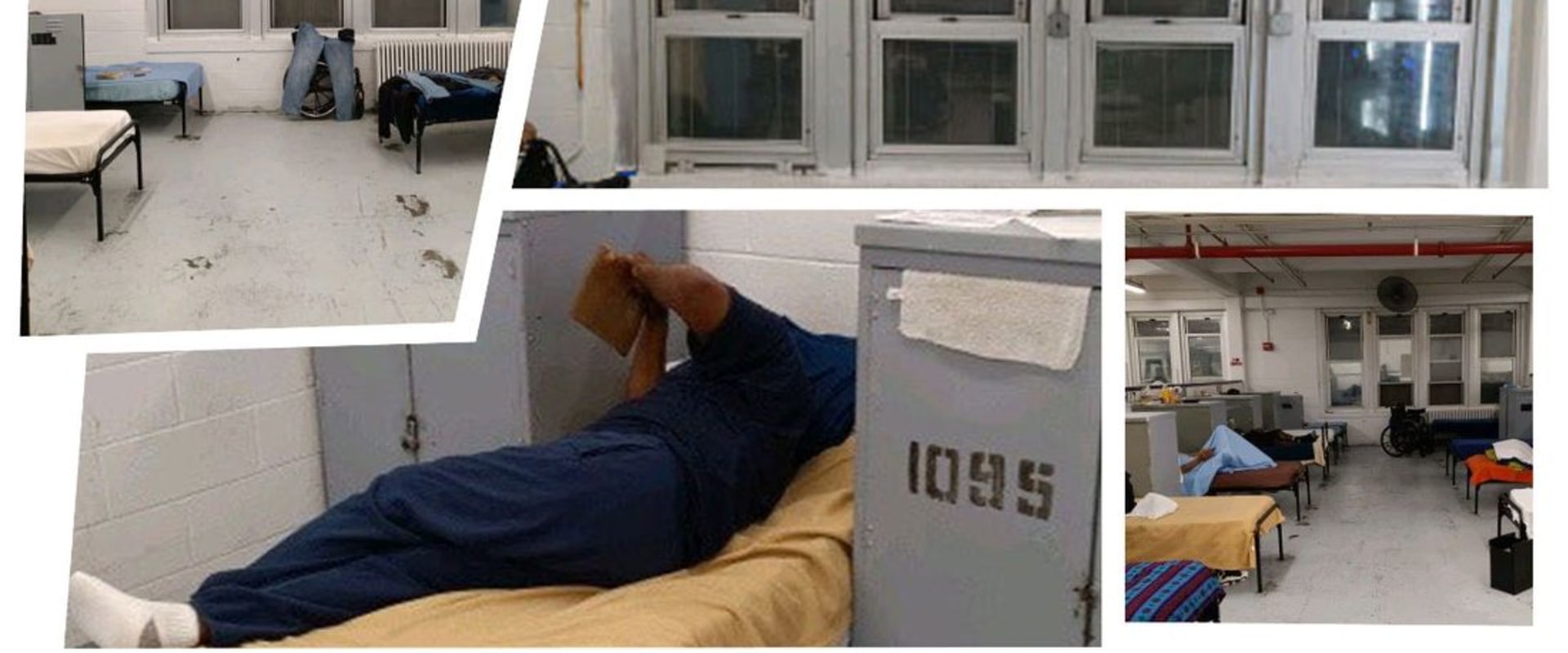
Moreover, the physical conditions of some shelters can be subpar, with overcrowding and insufficient resources leading to an uncomfortable living environment. These conditions can deter individuals from seeking shelter or cause them to leave prematurely, further complicating their path to stability.
Public Perception
The public perception of homeless shelters also poses a challenge.
Many communities harbor negative stereotypes about homelessness and the individuals who seek shelter. This stigma can lead to resistance against the establishment or expansion of shelters in certain neighborhoods, limiting access for those in need. Furthermore, negative media portrayals can influence public opinion and policy decisions, making it more difficult for shelters to secure necessary funding and support. Addressing these challenges requires a multifaceted approach that includes increased funding, community engagement, and improved operational practices. By tackling these issues head-on, New York City can enhance its homeless shelter system and better serve its vulnerable populations.
Success Stories: Effective Programs and Initiatives
New York City has implemented a variety of successful programs and initiatives aimed at addressing the complex issue of homelessness.These efforts not only provide immediate relief but also pave the way for long-term solutions that empower individuals and families to regain stability. One notable initiative is the Homebase Program , which focuses on preventing homelessness before it occurs. By offering services such as financial assistance, legal aid, and housing counseling, Homebase helps families at risk of eviction to stay in their homes. This proactive approach has proven effective, with many participants successfully avoiding homelessness altogether. Another impactful program is the Pathway Home Initiative , which aims to transition individuals from shelters into permanent housing. This initiative provides comprehensive support, including job training, mental health services, and case management.
By addressing the root causes of homelessness, Pathway Home has successfully helped numerous individuals secure stable housing and improve their quality of life. The NYC Department of Homeless Services (DHS) also collaborates with various non-profit organizations to enhance shelter operations. For instance, the Coalition for the Homeless has been instrumental in advocating for policy changes and providing direct services to those in need. Their outreach programs connect homeless individuals with essential resources, including healthcare and employment opportunities. Success stories from these programs highlight the resilience of homeless individuals and families. For example, a family that participated in the Homebase Program was able to secure financial assistance that allowed them to pay their rent and avoid eviction.
Similarly, a young adult who engaged with the Pathway Home Initiative found stable employment and moved into a supportive housing environment. These success stories not only demonstrate the effectiveness of targeted interventions but also inspire further innovation in shelter operations. By continuing to invest in programs that address both immediate needs and long-term solutions, New York City can make significant strides toward reducing homelessness and supporting those affected by it.
How to Get Involved: Supporting Homeless Shelters in NYC
Getting involved with homeless shelters in New York City is a meaningful way to contribute to your community and support those in need. There are various avenues through which individuals can make a difference, whether through volunteering, donating, or participating in community initiatives aimed at addressing homelessness.Volunteering at Homeless Shelters
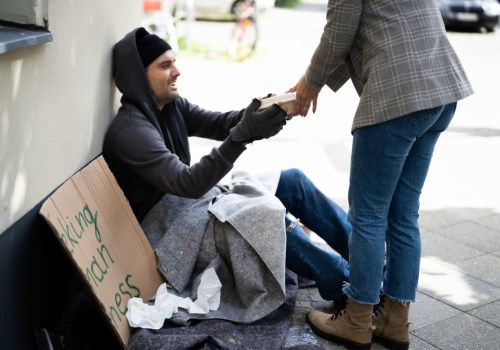
One of the most impactful ways to support homeless shelters is by volunteering your time. Many shelters rely heavily on volunteers to help with daily operations, including:-
Meal Preparation and Serving: Many shelters provide meals to their residents, and volunteers can assist in preparing and serving food.
This not only helps meet basic needs but also fosters a sense of community.
- Organizing Donations: Shelters often receive clothing, toiletries, and other essential items. Volunteers can help sort and distribute these donations to ensure that they reach those who need them most.
- Providing Support Services: Some shelters offer programs that require volunteers to assist with counseling, job training, or educational workshops. Your skills can help empower individuals on their journey to stability.
Donating to Shelters
If you are unable to volunteer your time, consider making a financial contribution or donating goods. Many shelters have specific needs that can be met through donations:- Monetary Donations: Financial contributions allow shelters to allocate resources where they are needed most, whether it’s for food, supplies, or operational costs.
-
In-Kind Donations: Items such as clothing, hygiene products, blankets, and non-perishable food are always in demand.
Check with local shelters for their current needs before donating.
Community Involvement
Beyond individual efforts, community involvement plays a crucial role in supporting homeless shelters. Here are some ways you can engage:- Organizing Fundraisers: Consider hosting events like bake sales, charity runs, or benefit concerts to raise funds for local shelters.
- Advocacy: Get involved in advocacy efforts aimed at addressing the root causes of homelessness. This could include participating in awareness campaigns or contacting local representatives about policies affecting homeless individuals.
- Building Partnerships: Collaborate with local businesses or schools to create programs that support homeless individuals and families.
Frequently Asked Questions about Homeless Shelters in NYC
Understanding the complexities of the homeless shelter system in New York City can be daunting, especially for those in need of assistance.Below are some frequently asked questions that aim to clarify common concerns and provide essential information about accessing shelters.
-
What types of shelters are available in NYC?
New York City offers various types of shelters, including:- Emergency Shelters: These provide immediate housing for individuals and families facing homelessness.
- Transitional Shelters: Designed for those who need temporary housing while they work towards permanent solutions.
- Specialized Shelters: These cater to specific populations, such as families with children, veterans, or individuals fleeing domestic violence.
-
How can I access a homeless shelter?
To access a shelter, individuals can call 311 or visit the New York City Department of Homeless Services (DHS) website. The intake process typically involves an assessment to determine eligibility and needs. -
Are there any requirements to stay in a shelter?
While requirements may vary by shelter, generally, individuals must demonstrate a need for housing and may be required to provide identification. Families with children often have priority access. -
Can I bring my belongings to the shelter?
Most shelters allow residents to bring a limited amount of personal belongings. However, it’s advisable to check with the specific shelter regarding their policies on items allowed. -
What services do shelters provide?
In addition to providing a place to sleep, many shelters offer:- Meals and nutrition programs
- Counseling and case management
- Access to healthcare services
- Job training and employment assistance
-
What should I do if I encounter issues at a shelter?
If you experience problems or have concerns about your stay, it’s important to speak with shelter staff.You can also contact advocacy groups or the Coalition for the Homeless for additional support.
Conclusion: The Importance of Supporting Homeless Shelters in NYC
In summary, the issue of homelessness in New York City is complex and multifaceted, requiring a concerted effort from various stakeholders to address effectively. The role of homeless shelters is crucial in providing immediate relief and support to those in need. These shelters not only offer a safe haven for individuals and families facing homelessness but also serve as a gateway to essential services that can help them regain stability. Throughout this article, we have explored the various organizations and agencies involved in running homeless shelters in NYC, including the Department of Homeless Services (DHS) and numerous non-profit organizations.Each plays a vital role in ensuring that vulnerable populations have access to shelter, food, healthcare, and other necessary resources. The collaboration between these entities is essential for creating a comprehensive support system that addresses both the immediate needs of the homeless and the underlying causes of their situation. Moreover, it is important to recognize that supporting homeless shelters goes beyond just providing financial assistance. Community involvement, volunteer efforts, and advocacy are equally important in fostering an environment where individuals experiencing homelessness can find hope and pathways to permanent housing. By engaging with local shelters, donating time or resources, and raising awareness about homelessness, we can contribute to a more compassionate society. As we move forward, it is imperative that we continue to advocate for policies that support the expansion and improvement of homeless services.
This includes pushing for increased funding for shelters, affordable housing initiatives, and mental health services. By doing so, we can help ensure that every New Yorker has access to safe shelter and the opportunity to rebuild their lives. In conclusion, the fight against homelessness in New York City requires a collective effort from government agencies, non-profits, and community members alike. Supporting homeless shelters is not just an act of charity; it is a necessary step towards creating a more equitable society where everyone has the chance to thrive.