Understanding the Homeless Crisis: Causes, Impacts, and Solutions
Explore the complex causes and impacts of homelessness in the U.S. and discover effective solutions to address this pressing issue.
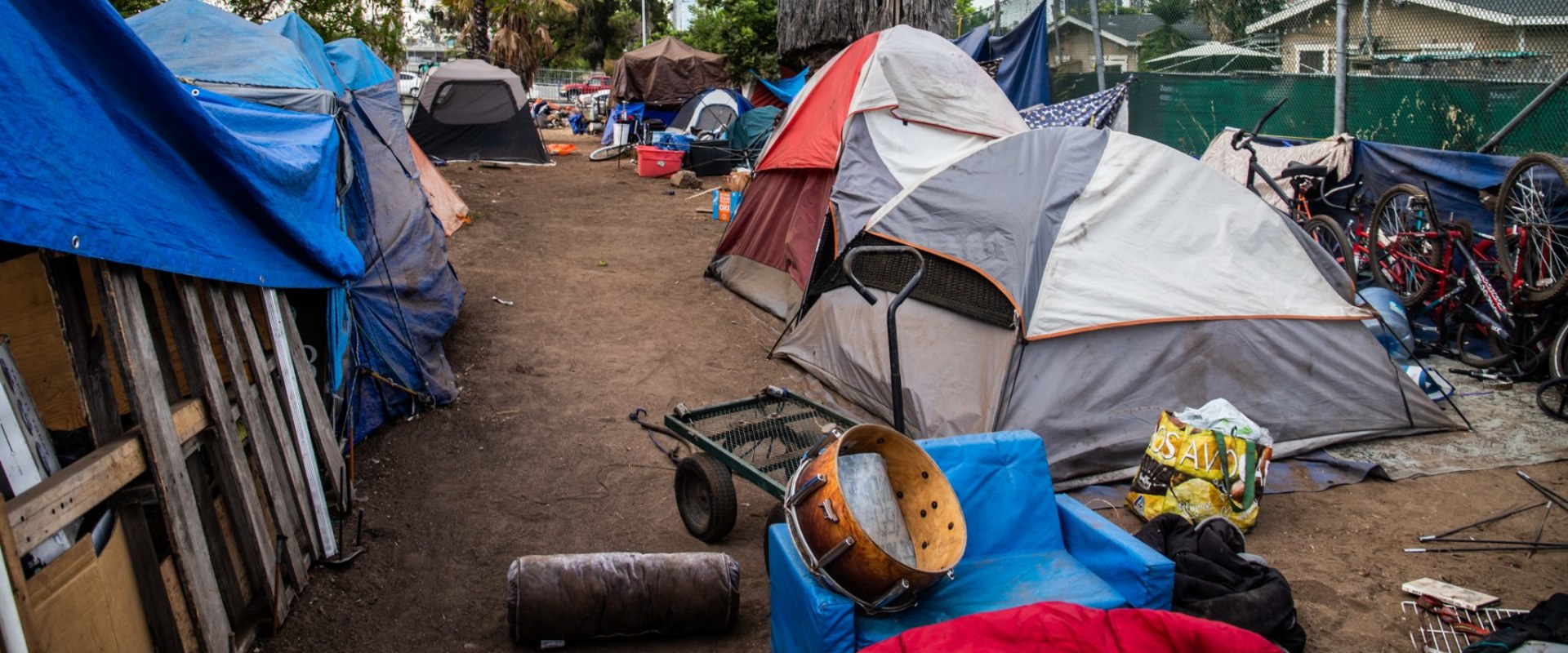
Homelessness is a multifaceted issue that affects millions of individuals and families across the United States. It is defined as the condition of lacking a stable, safe, and adequate nighttime residence. This can manifest in various forms, including living on the streets, in shelters, or in temporary accommodations such as motels. The prevalence of homelessness is alarming; recent estimates suggest that over 650,000 people experience homelessness on any given night in the U.
S. This staggering number highlights the urgent need to address the underlying causes and impacts of this societal crisis. The causes of homelessness are complex and often interrelated. Economic factors such as rising housing costs, stagnant wages, and unemployment play a significant role. Additionally, personal circumstances like mental health issues, substance abuse, and domestic violence can push individuals into homelessness.
For instance, studies indicate that a substantial percentage of homeless individuals have experienced trauma or abuse, which can lead to a cycle of instability that is difficult to escape. Furthermore, systemic issues such as inadequate access to healthcare and social services exacerbate the situation, leaving many without the support they need to regain stability. The impact of homelessness extends beyond the individuals directly affected; it reverberates throughout communities and society at large. Homelessness contributes to increased healthcare costs, as individuals without stable housing often rely on emergency services for medical care. Moreover, it can strain local resources and create challenges for law enforcement and public safety.
The stigma surrounding homelessness further complicates efforts to provide assistance and support, fostering an environment of misunderstanding and bias. As we delve deeper into this pressing issue in subsequent sections, it becomes clear that addressing homelessness requires a comprehensive approach that considers both immediate needs and long-term solutions.
The Causes of Homelessness
Understanding the multifaceted nature of homelessness is essential for developing effective solutions. The causes of homelessness are deeply intertwined with economic, social, and mental health factors that create a complex web of challenges for individuals and families.Economic Factors
One of the primary drivers of homelessness is economic instability. Many individuals find themselves unable to afford housing due to rising rents and stagnant wages.
In urban areas, where the cost of living is significantly higher, even those with full-time jobs may struggle to make ends meet. A lack of affordable housing options exacerbates this issue, pushing low-income families into precarious living situations.
Additionally, unexpected financial crises—such as medical emergencies, job loss, or divorce—can lead to homelessness. According to recent studies, nearly 30% of homeless individuals report that they lost their homes due to an inability to pay rent after a sudden financial setback.
Social Factors
Social issues also play a critical role in contributing to homelessness. Domestic violence is a significant factor, particularly among women and children.
Many victims flee abusive situations without a safe place to go, leading them to live on the streets or in shelters. Research indicates that approximately 80% of homeless mothers have experienced domestic violence at some point in their lives.
Moreover, systemic issues such as discrimination and social stigma can further alienate homeless individuals from support networks. This isolation makes it challenging for them to access resources that could help them regain stability.
Mental Health Issues
Mental health challenges are another critical aspect of homelessness. Many individuals experiencing homelessness suffer from untreated mental illnesses, which can hinder their ability to secure employment or maintain stable housing.
Studies show that over 25% of homeless individuals have a diagnosed mental health condition, yet access to adequate treatment remains limited. The intersection of mental health and homelessness creates a vicious cycle; without proper support and treatment, individuals may find it increasingly difficult to escape their circumstances. Addressing these mental health needs is vital for any comprehensive approach to reducing homelessness. In conclusion, the causes of homelessness are varied and complex, encompassing economic instability, social factors like domestic violence, and mental health issues. Acknowledging these underlying causes is crucial for developing targeted interventions that can effectively address the problem and support those affected by homelessness.
The Impact of Homelessness on Individuals and Society
Homelessness is not merely a personal crisis; it reverberates throughout society, affecting various facets of community life and public health. Understanding the impact of homelessness requires a comprehensive look at how it influences individuals and the broader community.Health Implications
Individuals experiencing homelessness face significant health challenges.
The lack of stable housing often leads to exposure to harsh weather conditions, increasing the risk of illnesses such as hypothermia in winter or heat-related illnesses in summer. Furthermore, many homeless individuals suffer from chronic health issues, including respiratory diseases, diabetes, and heart conditions, which are exacerbated by inadequate access to healthcare services.
According to studies, a substantial percentage of the homeless population also grapples with mental health disorders. Conditions such as depression, anxiety, and post-traumatic stress disorder (PTSD) are prevalent among those without stable housing. The stigma surrounding mental illness can further isolate these individuals, making it difficult for them to seek help or reintegrate into society.
Crime Rates
The relationship between homelessness and crime is complex.
While some may assume that homelessness leads to increased crime rates, the reality is more nuanced. Many homeless individuals are victims of crime themselves, facing violence and theft in their vulnerable state. However, the visibility of homelessness can lead to heightened perceptions of crime in communities. This perception often results in increased policing and criminalization of homelessness rather than addressing its root causes.
Economic Burden on Society
The economic implications of homelessness extend beyond immediate social services costs.
Communities bear the financial burden through increased healthcare expenses, law enforcement resources, and emergency services. A report from the National Alliance to End Homelessness indicates that providing permanent supportive housing can significantly reduce these costs by decreasing reliance on emergency services.
Community Impact
Homelessness affects community cohesion and public perception. Neighborhoods with visible homelessness may experience a decline in property values and deter potential businesses or residents from moving in. This can create a cycle of neglect and further marginalization for those experiencing homelessness.
In conclusion, addressing homelessness is not just about providing shelter; it is about understanding its profound effects on health, safety, and economic stability within communities.
The urgency to find effective solutions is paramount for fostering healthier, safer, and more inclusive societies.
Demographics of the Homeless Population
Understanding the demographics of the homeless population is crucial for developing targeted interventions and policies. The homeless community is not monolithic; it encompasses a wide range of individuals with varying backgrounds, experiences, and needs.Age Distribution
- According to recent statistics, approximately 20% of the homeless population consists of children under the age of 18. These young individuals often face unique challenges, including lack of access to education and healthcare.
- Adults aged 25 to 54 make up the largest segment, accounting for nearly 50% of the homeless population. This age group is often in their prime working years but may struggle due to job loss or economic instability.
- Older adults, particularly those aged 55 and above, represent a growing segment of the homeless demographic. This group faces additional challenges related to health care and social security.
Gender Breakdown
- The gender distribution among the homeless population shows that men are disproportionately affected, making up about 60% of those experiencing homelessness.
However, women are increasingly becoming visible in this demographic, often facing unique vulnerabilities such as domestic violence.
- Transgender and non-binary individuals also face significant rates of homelessness, often due to discrimination and lack of support systems.
Family Status
- Families with children represent a significant portion of the homeless population. In many urban areas, nearly one-third of those experiencing homelessness are families, highlighting the urgent need for family-specific resources and shelters.
- Single-parent households, particularly those led by women, are especially vulnerable to homelessness due to economic disparities and limited access to affordable housing.
Vulnerable Populations
- Veterans: Approximately 11% of the homeless population are veterans. Many face challenges related to mental health issues such as PTSD and substance abuse, which can complicate their reintegration into civilian life.
- Individuals with Disabilities: Nearly 25% of homeless individuals report having a disability. This includes physical disabilities as well as mental health conditions that can hinder their ability to secure stable housing and employment.
- LGBTQ+ Youth: A significant number of homeless youth identify as LGBTQ+, often fleeing from family rejection or abuse.
This group faces heightened risks for violence and exploitation on the streets.
The Role of Mental Health and Substance Abuse in Homelessness
The intersection of mental health and substance abuse is a critical factor in understanding the complexities of homelessness. Many individuals experiencing homelessness face significant mental health challenges, which can be exacerbated by the stressors associated with living without stable housing. Conditions such as depression, anxiety, and post-traumatic stress disorder (PTSD) are prevalent among this population, often stemming from traumatic life experiences, including violence and abuse. Research indicates that approximately 25% of homeless individuals suffer from serious mental illnesses. These mental health issues can impair their ability to secure and maintain employment, leading to a cycle of poverty and homelessness.Furthermore, the stigma surrounding mental health often prevents individuals from seeking help, leaving them trapped in a situation that feels insurmountable. Substance abuse is another significant contributor to homelessness. Many individuals turn to drugs or alcohol as a coping mechanism to deal with the overwhelming challenges they face. Studies show that between 22% and 57% of homeless women cite domestic violence as a primary cause of their homelessness, which can lead to substance use as a means of self-medication. The relationship between substance abuse and homelessness is complex; while some individuals may develop substance use disorders after becoming homeless, others may find themselves homeless due to their addiction. Addressing these intertwined issues requires comprehensive treatment options that focus on both mental health and substance abuse recovery.
Integrated treatment models that provide simultaneous care for mental health disorders and substance use issues have shown promise in helping individuals regain stability. These programs often include:
- Therapeutic interventions: Cognitive-behavioral therapy (CBT) and other therapeutic approaches can help individuals address underlying mental health issues.
- Substance abuse counseling: Tailored programs that focus on addiction recovery can assist individuals in overcoming their dependencies.
- Supportive housing: Providing stable housing along with access to mental health services can significantly improve outcomes for those struggling with these challenges.
- Peer support groups: Connecting individuals with others who have faced similar struggles can foster a sense of community and belonging.
Barriers to Overcoming Homelessness
Overcoming homelessness is a multifaceted challenge, deeply rooted in systemic issues that create significant barriers for individuals seeking stable housing. These barriers not only complicate the journey to recovery but also perpetuate the cycle of homelessness. One of the most pressing barriers is discrimination in housing markets.Many landlords and property managers exhibit biases against homeless individuals, often viewing them through a lens of stigma and misunderstanding. This discrimination can manifest in various forms, including:
- Credit history checks: Many landlords require a good credit score, which is often unattainable for those who have experienced homelessness.
- Rental history requirements: A lack of stable rental history can disqualify potential tenants, even if they have the means to pay rent.
- Background checks: Individuals with criminal records, which are disproportionately high among the homeless population, may find it nearly impossible to secure housing.
The absence of comprehensive case management can leave them feeling isolated and overwhelmed. Moreover, systemic issues such as affordable housing shortages exacerbate the problem. In many urban areas, the cost of living has skyrocketed while wages have stagnated. This disparity makes it increasingly difficult for low-income individuals to find affordable housing options. The lack of investment in affordable housing development further limits opportunities for those experiencing homelessness. The intersectionality of these barriers creates a complex web that is difficult to navigate.
For instance, a homeless individual may face discrimination when applying for housing due to their lack of stable income or rental history. Simultaneously, they may be battling mental health issues that prevent them from effectively advocating for themselves in these situations. Addressing these barriers requires a concerted effort from policymakers, community organizations, and society at large. Solutions must include not only increasing the availability of affordable housing but also implementing anti-discrimination policies and expanding support services tailored to the unique needs of homeless individuals. Only through a comprehensive approach can we hope to dismantle the barriers that keep so many from achieving stable housing.
Successful Strategies for Addressing Homelessness
Addressing homelessness requires a multifaceted approach that combines immediate relief with long-term solutions.One of the most effective strategies that has gained traction in recent years is the Housing First model. This approach prioritizes providing the homeless with permanent housing without preconditions such as sobriety or employment. By offering stable living conditions, individuals can focus on addressing other issues, such as mental health or substance abuse, in a supportive environment. Research has shown that the Housing First model significantly reduces homelessness and improves overall well-being. For instance, a study conducted in Utah found that the implementation of this model led to a 91% reduction in chronic homelessness.
This success can be attributed to the stability that housing provides, allowing individuals to regain their footing and reintegrate into society. In addition to Housing First, community support initiatives play a crucial role in combating homelessness. Programs that foster collaboration between local governments, non-profits, and community organizations have proven effective in creating comprehensive support systems. These initiatives often include:
- Job training and employment services: Providing skills training and job placement assistance helps individuals secure stable employment, which is essential for maintaining housing.
- Mental health and substance abuse treatment: Access to counseling and rehabilitation services addresses underlying issues that contribute to homelessness.
- Healthcare access: Ensuring that homeless individuals receive necessary medical care can prevent health-related issues from exacerbating their situation.
- Supportive housing programs: These programs combine affordable housing with wraparound services, ensuring that residents have access to the resources they need to thrive.
By investing in evidence-based approaches like Housing First and fostering community collaboration, we can create sustainable pathways out of homelessness for countless individuals and families.
The Importance of Community Involvement and Advocacy
Addressing the issue of homelessness requires a concerted effort from the entire community. Community involvement is not just beneficial; it is essential for creating sustainable solutions that can help those experiencing homelessness regain their footing. When individuals come together to support their neighbors, they foster a sense of belonging and shared responsibility that can lead to meaningful change. One of the most impactful ways to get involved is through advocacy for homeless rights. Advocacy can take many forms, from raising awareness about the challenges faced by homeless individuals to lobbying for policy changes that improve their living conditions.Here are some effective strategies for advocacy:
- Educate Yourself and Others: Understanding the complexities of homelessness is crucial. Attend workshops, read articles, and engage with local organizations to learn about the root causes and potential solutions.
- Engage with Local Government: Attend town hall meetings or city council sessions to voice your concerns and suggest policies that could benefit the homeless population. Building relationships with local officials can amplify your impact.
- Support Legislation: Advocate for laws that protect the rights of homeless individuals, such as access to healthcare, housing assistance, and employment opportunities.
Here are some ways you can contribute:
- Volunteer at Shelters: Many shelters need help with meal preparation, distribution, and providing companionship to residents.
- Organize Fundraisers: Create events that raise money or collect supplies for local organizations that support homeless individuals.
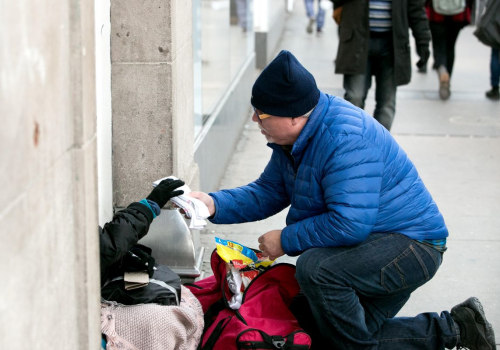
- Participate in Outreach Programs: Join teams that distribute food, clothing, or hygiene products directly to those living on the streets.
Conclusion: Moving Forward in Addressing Homelessness
As we reflect on the complexities surrounding the issue of homelessness, it becomes clear that this is not merely a social concern but a multifaceted crisis that requires urgent attention and action. Throughout this article, we have explored the various dimensions of homelessness, including its root causes, the impact on individuals and communities, and the systemic barriers that perpetuate this cycle of despair. One of the most critical takeaways is that homelessness is not a one-size-fits-all problem. The diverse experiences of those affected by homelessness highlight the need for tailored solutions.For instance, while some individuals may find themselves homeless due to economic hardship or job loss, others may be fleeing domestic violence or struggling with mental health issues. This diversity necessitates a comprehensive approach that addresses the unique needs of different populations. Moreover, we must recognize the importance of collaboration among various stakeholders, including government agencies, non-profit organizations, and community members. By working together, we can create a more robust support system that not only provides immediate relief through shelters and food programs but also focuses on long-term solutions such as affordable housing and mental health services. Education and awareness are also vital components in combating the stigma associated with homelessness. By fostering understanding and empathy within our communities, we can dismantle harmful stereotypes and encourage more people to engage in meaningful action.
This could involve volunteering at local shelters, advocating for policy changes, or simply having open conversations about the realities of homelessness. In conclusion, addressing homelessness requires a multifaceted approach that combines immediate assistance with long-term strategies. It is imperative for each of us to stay informed about this pressing issue and to take action in our own communities. Whether through advocacy, volunteering, or simply spreading awareness, every effort counts in the fight against homelessness. Together, we can work towards a future where everyone has a place to call home.