Comprehensive Guide to Finding Shelter for the Homeless in NYC
Explore essential resources and shelters for the homeless in NYC, including emergency services, nonprofit organizations, and legal rights.
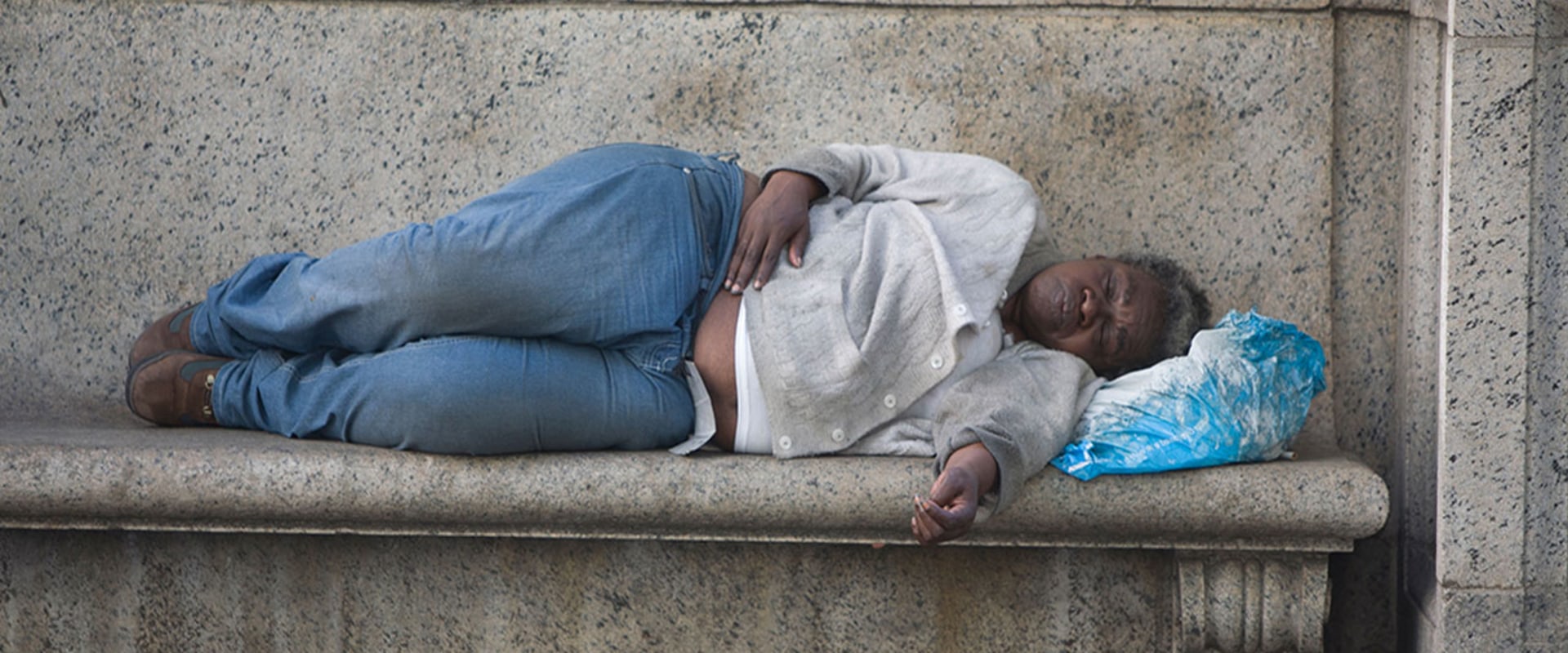
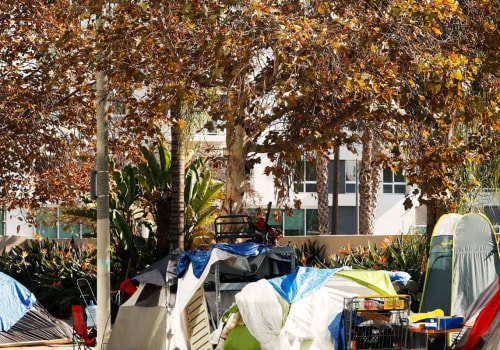
Homelessness in New York City is a complex and pressing issue that affects thousands of individuals and families every day. As one of the largest metropolitan areas in the United States, NYC has seen a significant rise in its homeless population over the past decade. According to recent statistics, there are over 60,000 homeless individuals in the city, with a substantial number living in shelters and others on the streets. This alarming figure highlights the urgent need for effective solutions and resources to address this crisis. The causes of homelessness in NYC are multifaceted and often interrelated. Homelessness in New York City is a complex and pressing issue that affects thousands of individuals and families every day. As one of the largest metropolitan areas in the United States, NYC has seen a significant rise in its homeless population over the past decade. According to recent statistics, there are over 60,000 homeless individuals in the city, with a substantial number living in shelters and others on the streets. This alarming figure highlights the urgent need for effective solutions and resources to address this crisis. The causes of homelessness in NYC are multifaceted and often interrelated.
Factors such as affordable housing shortages , mental health issues, substance abuse, and economic instability contribute to the growing number of people without stable shelter. Many individuals find themselves unable to cope with rising rents and living costs, leading to eviction or displacement. Additionally, systemic issues such as unemployment and lack of access to healthcare exacerbate the situation, making it increasingly difficult for those affected to regain stability. Understanding the landscape of homelessness in New York City is crucial for developing effective interventions. The city has implemented various programs aimed at providing support and resources for those in need, yet challenges remain.
The visibility of homelessness can often lead to misconceptions about those experiencing it, further complicating public perception and policy responses. By shedding light on the realities faced by homeless individuals, we can foster a more compassionate approach that prioritizes their dignity and well-being.
Types of Shelters Available for the Homeless
New York City offers a variety of shelter options for individuals experiencing homelessness, each designed to meet different needs and circumstances. Understanding these options can significantly impact the well-being and stability of those seeking assistance.Emergency Shelters
Emergency shelters are often the first point of contact for individuals facing homelessness. These facilities provide immediate, short-term housing solutions, typically for a few nights to a few weeks.They are crucial during extreme weather conditions, such as the winter months when temperatures drop significantly. Emergency shelters are usually operated by the city or nonprofit organizations and offer basic amenities like beds, meals, and hygiene facilities.
- Access: Individuals can access emergency shelters through the New York City Department of Homeless Services (DHS) by calling 311 or visiting their website.
- Eligibility: Most emergency shelters do not have strict eligibility requirements, making them accessible to anyone in need.
- Services: In addition to shelter, many emergency facilities provide case management services to help individuals transition to more stable housing.
Transitional Housing
Transitional housing serves as a bridge between emergency shelters and permanent housing. These programs typically offer longer stays, ranging from several months to a couple of years. Transitional housing is designed for individuals who are working towards self-sufficiency and stability.- Support Services: Residents often receive support services such as job training, counseling, and financial literacy programs to help them regain independence.
- Community Living: Many transitional housing programs foster a sense of community among residents, encouraging peer support and collaboration.
- Eligibility Criteria: Some transitional housing programs may have specific eligibility requirements based on factors like income or family status.
Permanently Supportive Housing
Permanently supportive housing is designed for individuals with long-term homelessness or those with disabilities who require ongoing support.This type of housing provides stable living arrangements combined with access to comprehensive support services.
- Long-Term Stability: Residents can stay indefinitely, allowing them to build a stable life without the fear of eviction due to their circumstances.
- Integrated Services: Support services may include mental health care, substance abuse treatment, and assistance with daily living activities.
- Community Integration: Permanently supportive housing aims to integrate residents into the community, promoting social connections and reducing isolation.
How to Access Emergency Shelters in NYC
Accessing emergency shelters in New York City is a crucial step for individuals experiencing homelessness. The city offers a variety of resources designed to assist those in need, and understanding how to navigate these services can make a significant difference.NYC Department of Homeless Services (DHS)
is the primary agency responsible for providing shelter and support services to the homeless population. To access these services, individuals can start by calling 311, the city’s information hotline.
This number connects callers to various city services, including emergency shelter options. When contacting 311, be prepared to provide information about your situation, such as:
- Your current location
- The number of people needing shelter
- Any specific needs or considerations (e.g., pets, medical conditions)
- Locations of emergency shelters
- Hours of operation
- Services offered at each location
- Eligibility requirements
Nonprofit organizations
also play a vital role in supporting the homeless community.
Many of these organizations partner with DHS to offer additional services such as meals, clothing, and medical care. Examples include:
- The Coalition for the Homeless
- The Bowery Mission
- The Salvation Army
Resources for Families and Children Experiencing Homelessness
Families and children experiencing homelessness face unique challenges that require specialized resources and support.In New York City, various organizations and programs are dedicated to assisting these vulnerable groups, ensuring they have access to safe shelter, food, and essential services.
Emergency Shelters for Families
- The New York City Department of Homeless Services (DHS) operates family shelters that provide temporary housing for families in need. These shelters are designed to accommodate parents with children, offering a safe environment where families can stay together.
- Many shelters also provide meals, hygiene products, and access to case management services to help families transition into permanent housing.
Support Services for Children
- Organizations like Coalition for the Homeless offer programs specifically tailored for children, including educational support and recreational activities. These programs aim to mitigate the impact of homelessness on children's development and well-being.
- Additionally, some shelters have partnerships with local schools to ensure that children can continue their education without interruption, providing transportation and school supplies as needed.
Family Support Programs
- The New York City Administration for Children’s Services (ACS) provides resources for families at risk of homelessness. They offer counseling services, parenting classes, and financial assistance to help families maintain stable housing.
- Community organizations such as Project Renewal also provide comprehensive support services, including mental health counseling and job training programs aimed at helping parents secure employment and improve their financial situation.
Accessing Resources
If you are a family facing homelessness in New York City, it is crucial to reach out for help.
You can contact the DHS by calling 311, where trained representatives can guide you through the process of finding emergency shelter and other necessary services. Additionally, local nonprofits often have outreach programs that can assist families in navigating available resources. By utilizing these resources, families can find the support they need during difficult times, ensuring that both parents and children have access to safe shelter and essential services while working towards a more stable future.
Nonprofit Organizations and Community Support Services
In New York City, numerous nonprofit organizations and community support services play a crucial role in assisting the homeless population. These organizations not only provide shelter but also offer a range of additional resources aimed at improving the overall well-being of individuals experiencing homelessness. One of the most prominent organizations is the Coalition for the Homeless. This nonprofit focuses on advocacy and direct services, including emergency food programs, job training, and housing assistance.They also run outreach initiatives that connect homeless individuals with essential services, ensuring they receive the help they need. Another vital resource is Bowery Mission , which has been serving the homeless community since 1879. They provide meals, medical care, and long-term rehabilitation programs. Their holistic approach addresses not just immediate needs but also aims to empower individuals to regain their independence. The New York City Rescue Mission is another key player in this landscape. They offer emergency shelter, meals, and recovery programs tailored to those struggling with addiction or mental health issues. Their comprehensive services are designed to help individuals transition from homelessness to stable living conditions. In addition to these organizations, many local churches and community centers also provide support.
These places often serve as safe havens where individuals can find warmth, food, and companionship. Many religious institutions partner with nonprofits to extend their outreach efforts, creating a network of support across the city. Outreach programs are essential in connecting homeless individuals with available resources. Organizations like Project Renewal conduct street outreach to engage with those living on the streets. They offer medical care, mental health services, and assistance in finding permanent housing. Furthermore, the Department of Homeless Services (DHS) collaborates with various nonprofits to ensure that comprehensive support is available.
They provide information on shelters, prevention programs, and other resources that can help individuals navigate their circumstances more effectively. In summary, the landscape of support for the homeless in New York City is rich with nonprofit organizations and community services dedicated to making a difference. By leveraging these resources, individuals facing homelessness can find not only shelter but also pathways to recovery and stability.
Navigating the System: What to Expect When Seeking Shelter
When seeking shelter in New York City, it’s essential to understand the application process and what to expect at homeless shelters. This knowledge can significantly reduce anxiety and confusion during a challenging time.Understanding the Shelter Application Process
The first step in finding shelter is to contact the New York City Department of Homeless Services (DHS). You can do this by calling 311 or visiting their website.
Here, you will find information on various shelters, including those specifically for families, single adults, and youth. The application process typically involves:
- Initial Assessment: When you arrive at a shelter or an intake center, staff will conduct an assessment to determine your needs. This may include questions about your current situation, any health issues, and your family composition.
- Documentation: Be prepared to provide identification and any relevant documents that can support your case. This may include proof of income, identification cards, or any legal documents related to your housing situation.
-
Eligibility Determination: After the assessment, staff will determine your eligibility for available programs.
This can vary based on factors such as age, family status, and specific needs.
What to Expect at Homeless Shelters
Once you are accepted into a shelter, it’s important to know what to expect:
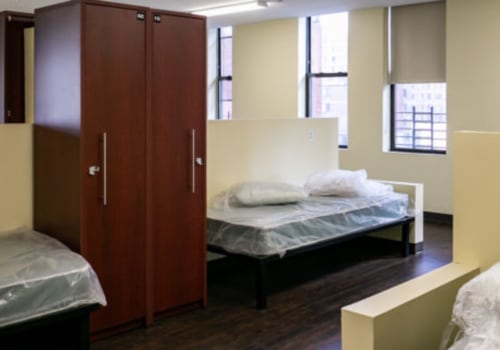
- Basic Amenities: Most shelters provide basic amenities such as a bed, meals, and access to hygiene facilities. However, conditions can vary widely between different shelters.
- Rules and Regulations: Each shelter has its own set of rules that residents must follow. These may include curfews, restrictions on visitors, and guidelines for maintaining personal space.
- Support Services: Many shelters offer additional support services such as counseling, job training programs, and assistance with finding permanent housing. Take advantage of these resources to help improve your situation.
Navigating Challenges
The journey through the homeless services system can be daunting.
You may encounter challenges such as long wait times or limited availability of beds. It’s crucial to remain persistent and patient throughout the process. If you face difficulties at one shelter, don’t hesitate to seek assistance from outreach programs or advocacy groups that specialize in helping the homeless. In summary, understanding the shelter application process and what to expect at homeless shelters can empower individuals facing homelessness in New York City. By being prepared and informed, you can navigate this complex system more effectively and find the support you need.
Winter Resources: Cold Weather Shelters and Services
As winter descends upon New York City, the challenges faced by the homeless population become even more pronounced.The city responds to these challenges by activating a range of emergency services and cold weather shelters designed to provide immediate relief and safety for those in need. During extreme cold spells, the New York City Department of Homeless Services (DHS) implements a Cold Blue alert system. This system is triggered when temperatures drop below 32 degrees Fahrenheit, including wind chill factors. Under these conditions, the city prioritizes the safety of homeless individuals by expanding shelter availability and increasing outreach efforts. Here are some key resources available during the winter months:
- Emergency Shelters: The DHS operates several emergency shelters throughout the city that are open year-round but expand their capacity during cold weather. These shelters provide a warm place to sleep, meals, and access to essential services.
-
Outreach Teams: Specialized outreach teams are deployed during cold weather to locate individuals sleeping on the streets and offer them transportation to shelters.
These teams are trained to engage with homeless individuals compassionately and effectively.
- Coalition for the Homeless: This organization runs various programs, including the Grand Central Food Program, which distributes hot meals and essential supplies like blankets and sleeping bags to those in need. They also provide information on available shelters and resources.
- Local Churches and Community Centers: Many religious organizations open their doors during winter months to offer temporary shelter and meals. These centers often serve as safe havens for individuals seeking refuge from the cold.
By calling 311 or visiting the DHS website, individuals can access real-time updates on shelter availability and other critical resources. As temperatures plummet, it is vital for community members to remain vigilant and compassionate. If you see someone in need during these harsh winter months, consider reaching out to local outreach programs or calling 911 if immediate assistance is required. Together, we can help ensure that everyone has a safe place to sleep during New York City's frigid winters.
Legal Rights and Protections for the Homeless in NYC
Understanding the legal rights of homeless individuals in New York City is crucial for ensuring they receive fair treatment and access to necessary services. The city has established various laws and regulations aimed at protecting the rights of those experiencing homelessness, which can empower individuals to advocate for themselves and seek assistance when needed. One of the primary legal protections for homeless individuals is the right to shelter.Under the New York State Constitution and various city laws, individuals who are homeless have the right to access emergency shelter. The New York City Department of Homeless Services (DHS) is responsible for providing these services, which include temporary housing options for families and single adults. It is important for individuals to know that they can request shelter at any time, and they should not be turned away based on their circumstances. In addition to the right to shelter, homeless individuals are protected against discrimination. The New York City Human Rights Law prohibits discrimination based on a person's housing status.
This means that landlords, employers, and service providers cannot deny access or mistreat individuals simply because they are homeless. If someone believes they have faced discrimination, they can file a complaint with the NYC Commission on Human Rights. Advocacy groups play a vital role in promoting and protecting the rights of homeless individuals. Organizations such as the Coalition for the Homeless and Legal Aid Society provide resources, legal assistance, and support to help individuals navigate their rights. These organizations often conduct outreach programs to educate homeless individuals about their legal protections and assist them in accessing available services. Furthermore, it is essential for homeless individuals to be aware of their rights when interacting with law enforcement.
While police officers have a duty to maintain public order, they must also respect the rights of homeless individuals. This includes not unlawfully evicting them from public spaces or confiscating their belongings without due process. In summary, knowing one’s legal rights is a powerful tool for homeless individuals in New York City. By understanding their entitlements to shelter, protection against discrimination, and access to advocacy resources, they can better navigate their circumstances and seek the support they need.
Frequently Asked Questions About Homelessness in NYC
Understanding homelessness in New York City can be complex, and many people have questions about the resources available, the nature of shelters, and how they can contribute to helping those in need. Below are some frequently asked questions that provide clarity on these important topics.What types of shelters are available for the homeless in NYC?
New York City offers a variety of shelters catering to different populations, including:-
Emergency Shelters: These provide immediate housing for individuals and families in crisis.
They often have limited stays and are designed to help people transition to more permanent housing.
- Transitional Shelters: These facilities offer longer-term accommodations and support services aimed at helping residents secure stable housing.
- Specialized Shelters: Some shelters focus on specific groups, such as veterans, LGBTQ+ individuals, or families with children, providing tailored support and resources.
How can I find a shelter if I am homeless?
If you or someone you know is experiencing homelessness, there are several ways to locate a shelter:- Call 311: This city service can connect you with information about available shelters and resources.
- Visit the NYC Department of Homeless Services (DHS) website: The DHS provides comprehensive information on shelters, including locations and eligibility requirements.
- Utilize outreach programs: Organizations like the Coalition for the Homeless offer online tools and hotlines to assist individuals in finding immediate shelter options.
What should I bring to a shelter?
If you are heading to a shelter, it’s advisable to bring:- Identification: Government-issued ID or any form of identification can help with the intake process.
- Personal items: Essential toiletries, clothing, and any necessary medications should be packed.
- A support system: If possible, bring a friend or family member for emotional support during this challenging time.
How can I help the homeless in NYC?
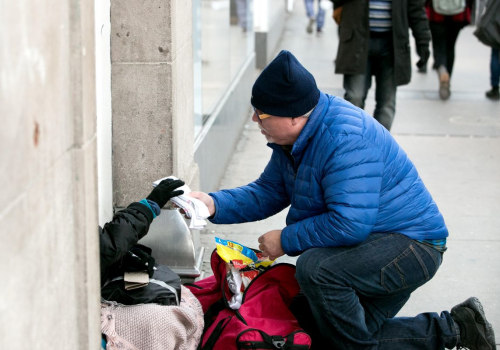
If you want to make a difference in the lives of homeless individuals, consider these options:- Volunteer your time: Many shelters and organizations rely on volunteers for various tasks, from serving meals to providing administrative support.
- Donate goods or funds: Contributions of clothing, food, or financial donations can significantly impact local shelters and outreach programs.
- Advocate for policy change: Engage with local government representatives to promote policies that address homelessness and improve access to affordable housing.
Conclusion: Taking Action and Finding Hope
As we conclude our exploration of the resources available for the homeless in New York City, it is essential to reflect on the key points discussed throughout this article. The challenges faced by individuals experiencing homelessness are profound and multifaceted, but there is a glimmer of hope through community support and available services. Throughout this article, we have highlighted various shelters, outreach programs, and organizations dedicated to assisting the homeless population. From the New York City Department of Homeless Services (DHS) to local charities and religious organizations, numerous resources are available to provide not only shelter but also essential services such as meals, clothing, and medical assistance.These organizations work tirelessly to ensure that those in need have access to safe sleeping arrangements and support systems. It is crucial for individuals facing homelessness or those who know someone in this situation to take action. Reaching out to local shelters or calling 311 can be the first step toward finding a safe place to sleep. Additionally, many organizations offer hot meals and other vital resources that can make a significant difference in daily life. Moreover, community involvement plays a pivotal role in addressing homelessness. Volunteering at shelters, donating clothing or food, or simply spreading awareness can contribute to creating a supportive environment for those in need.
Every small action counts and can lead to meaningful change. In summary, while the issue of homelessness in New York City is daunting, it is not insurmountable. By leveraging available resources and fostering a sense of community, we can help individuals regain their footing and find hope for a brighter future. Remember, no one should have to face homelessness alone; together, we can make a difference.